Thousands of Ghanaian football supporters gathered at Black Star Square in Accra on Tuesday evening, flooding the historic landmark to celebrate after their national team secured a 1-1 draw with England in an international friendly. The match, played at Wembley Stadium in London, drew a capacity crowd of more than 80,000 spectators, with millions more watching on television across Africa and Europe.
A Historic Venue for National Moments
Black Star Square has long served as the symbolic heart of Ghanaian national identity. The sprawling public space, capable of holding tens of thousands of people, was originally constructed in 1961 to honour the nation's independence from British colonial rule. On Tuesday, it transformed into an open-air viewing arena where fans, many draped in Ghana colours, sang, danced, and waved flags as the match unfolded thousands of kilometres away.
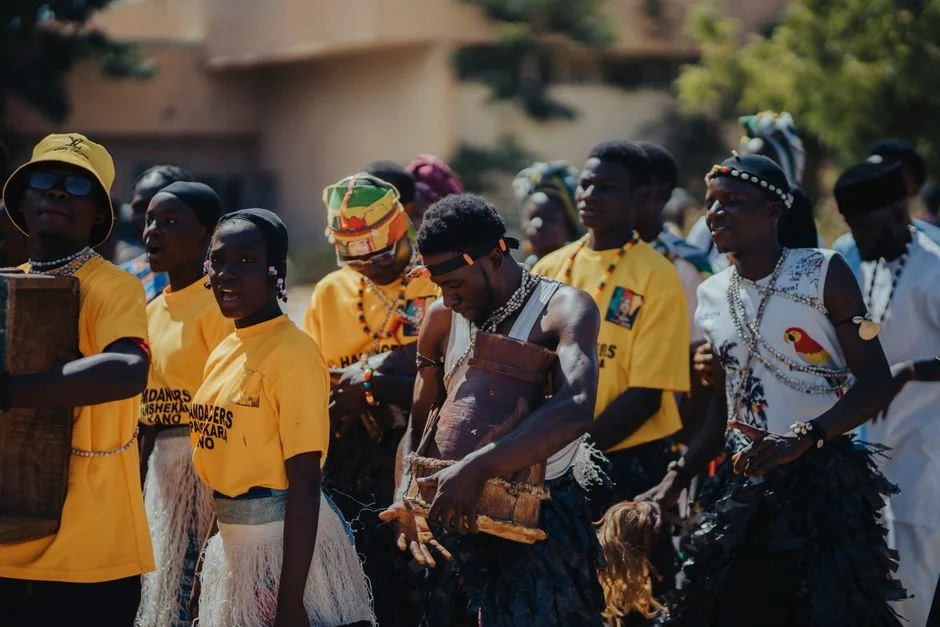
The government had installed large screens throughout the square by mid-afternoon, allowing supporters who could not travel to London to experience the fixture in real time. Police reported no major incidents, describing the atmosphere as peaceful and jubilant.
The Business of Football Celebrations
For Ghana's economy, these gatherings carry more weight than simple entertainment. The hospitality sector—restaurants, bars, hotels, and transport services—typically experiences a measurable uptick during major sporting events involving the national team. Industry analysts at Deloitte's Africa practice have noted that football-related tourism and consumption can contribute hundreds of millions of dollars to national GDP over a World Cup qualification cycle.
Local vendors at Black Star Square were selling jerseys, scarves, and face paint well before kickoff. Street vendors near the venue reported brisk business throughout the evening. The event provided income for informal workers who rely on large public gatherings for their livelihoods.
Television Rights and Broadcasting Revenue
Football federations globally depend heavily on broadcasting deals to fund operations. The Ghana Football Association receives a share of revenue from matches against high-profile opponents like England, with friendly fixtures often generating between $500,000 and $2 million per game depending on the opponent's commercial draw. England's global audience reach ensures that even a draw commands significant television interest across European and African markets.
Diplomatic and Commercial Implications

The England-Ghana fixture itself reflects broader commercial ties between the two nations. English Premier League clubs have long recruited Ghanaian talent, with players like Mohammed Kudus of West Ham United and Arsenal's Thomas Partey representing key commercial links. These connections drive merchandise sales, fan engagement, and sporting investment flows between the markets.
Beyond the pitch, diplomatic observers note that sporting exchanges strengthen bilateral trade relationships. British companies with interests in Ghana—including banks, energy firms, and telecoms operators—often leverage such fixtures to reinforce their brand presence in West African markets.
What Happens Next
Ghana's national team will now turn its attention to 2026 World Cup qualification matches scheduled for later this year. The draw against England offers a confidence boost, but the real sporting stakes lie ahead. The Black Star Square celebrations, however, underscore how deeply football intertwines with Ghanaian culture and commerce.
Investors watching African sports markets should note the sector's growing commercial infrastructure. Broadcast deals, sponsorship agreements, and stadium development projects are attracting increasing capital. What began as a celebration in Accra reflects a broader trend: African football is becoming an increasingly valuable economic sector.
See Also
- Six Tries, One Message: South Africa Defeats Zimbabwe in Gqeberha Friendly
- South Africa Leads Africa in Digital Fraud — TransUnion Report Reveals Full Scale