Funding shortfalls are threatening to unravel decades of progress in reducing child deaths from AIDS across Africa, according to a stark warning from Unicef. The organisation says that if current donor commitments continue to falter, the lives of millions of children who survived because of early intervention programmes could be at risk once again. The warning comes as global health budgets face pressure from competing priorities and economic tightening across traditional donor nations.
Progress at Risk of Reversal
Sub-Saharan Africa has recorded remarkable gains in child survival rates related to HIV/AIDS over the past twenty years. Programmes delivering antiretroviral therapy to pregnant women living with HIV have prevented hundreds of thousands of infections in newborns. However, Unicef officials say that without sustained investment, these achievements could be reversed within a single generation. The gains were built on consistent international funding flows that are now becoming less predictable as wealthy nations reassess their development spending.
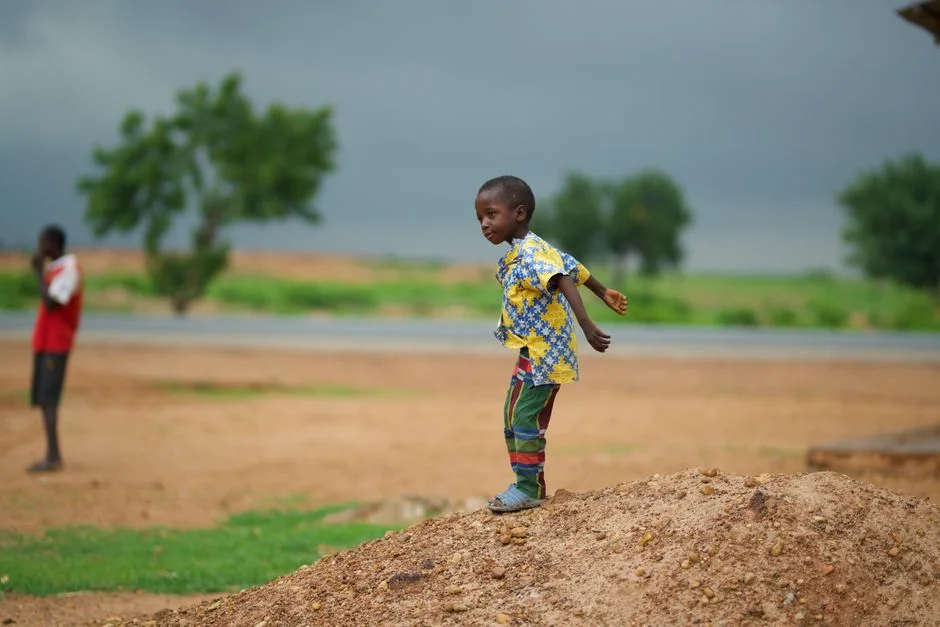
Communities across Kenya, Uganda, and South Africa have reported disruptions to supply chains for essential medicines. Local health workers say they are rationing drugs and delaying new patient registrations because they cannot guarantee continued availability. These shortages are hitting rural areas hardest, where alternative sources of medication are scarce and families often travel long distances to reach clinics. The breakdown in supply consistency undermines treatment adherence, which is critical for preventing drug resistance.
Why Markets and Businesses Should Pay Attention
The economic argument for maintaining AIDS funding is straightforward. Healthy children become productive adults who contribute to economic growth, pay taxes, and support ageing populations. Conversely, children disabled by untreated HIV or orphaned by AIDS place immediate burdens on extended families and long-term pressures on social welfare systems. For investors considering African markets, the human capital equation matters. Nations that maintain strong public health foundations offer more predictable labour markets and consumer bases.
Pharmaceutical companies with interests in antiretroviral drug markets also have skin in the game. If funding cuts force patients off treatment or onto cheaper, less effective regimens, drug resistance could spread. That creates long-term problems for the pharmaceutical industry, which relies on stable, long-term demand for HIV medications. Companies may find themselves facing costly new drug development cycles sooner than anticipated if resistance patterns shift.
The Human Cost in Specific Terms


Unicef data indicates that Eastern and Southern Africa account for the largest share of children living with HIV globally. Prevention of mother-to-child transmission programmes have reduced new infections among infants by more than half in some regions over the past decade. Yet without continued treatment for the mothers themselves, breastfeeding transmission rates could climb again. Health facilities in Johannesburg, Lagos, and Nairobi are already operating at or beyond capacity, and any surge in new cases would overwhelm systems designed for steady-state operations rather than crisis response.
Family networks that absorbed orphaned children during the worst years of the epidemic are now elderly themselves. Many lack the resources or energy to provide adequate care. Community organisations filling these gaps receive little institutional support and rely heavily on external funding. When that funding disappears, the safety net frays. Children drop out of school to work or care for sick relatives. Girl children particularly face heightened risks when household structures collapse.
What Investors Should Watch
The Global Fund to Fight AIDS, Tuberculosis and Malaria faces a replenishment cycle that will test donor appetite for continued commitment. The United States, historically the largest contributor, has signalled potential shifts in its development assistance posture. European donors are navigating their own fiscal constraints while managing migration pressures and domestic political demands. How this funding landscape evolves will determine whether organisations like Unicef can maintain current service levels or must make agonising choices about which programmes to preserve and which to abandon.
African governments themselves face hard choices. Health ministries in low-income countries allocate significant portions of their limited budgets to HIV programmes. Diverting resources to emerging health threats or general budget shortfalls creates difficult trade-offs. The private sector has shown interest in corporate social responsibility programmes targeting specific health outcomes, but these initiatives rarely scale to replace government and multilateral funding.
Looking Ahead
The next twelve months will determine the trajectory of paediatric AIDS response in Africa. Donor conferences scheduled for early 2025 will reveal whether traditional supporters maintain, increase, or reduce their commitments. Unicef is urging pharmaceutical companies to explore differential pricing arrangements that could sustain drug availability even if public funding contracts. Whatever the outcome, the decisions made in the coming months will shape the health and economic potential of an entire generation. Watch for announcements from the Global Fund board meeting in November, where funding allocation frameworks for 2025 and beyond will be finalised.
See Also
- Pandemic Fund Triggers Emergency Protocol — $50 Million Released for Ebola Outbreak
- Ghana’s £150M Football Economy: How Villa’s Win Boosts Local Markets
What is the latest news about unicef warns africas aids progress for children faces collapse as donors cut back?
Why does this matter for health-medicine?
What are the key facts about unicef warns africas aids progress for children faces collapse as donors cut back?