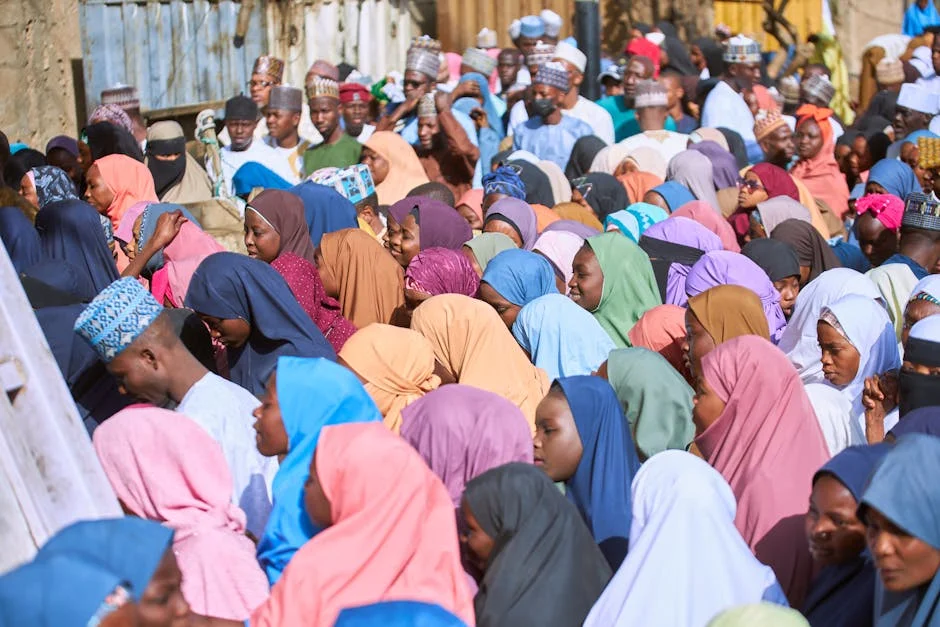
The Nigeria Civil Society Situation Room released a preliminary statement on Wednesday flagging concerns about the conduct of the Ekiti State governorship election, raising questions about the integrity of the voting process in the southwestern state. The statement, issued before full results were announced, outlined specific irregularities observed by election monitors deployed across all 16 local government areas of the state. The Situation Room, a coalition of civil society organisations that has monitored Nigerian elections since 2011, called for transparency in vote counting and urged the Independent National Electoral Commission to address documented anomalies before certifying results.
Election Day Observers Document Concerns
Situation Room observers reported issues including late opening of polling units, instances of vote-buying, and discrepancies between figures announced at collation centres and results slips held by party agents. The coalition deployed over 200 trained observers across Ekiti State for the election, which took place on Saturday. According to the preliminary statement, at least 47 polling units experienced delays exceeding two hours at the start of voting. The organisation noted that while the Independent National Electoral Commission made improvements to logistics compared to previous elections, implementation remained inconsistent across rural and urban areas.

The statement identified specific localities where concerns were concentrated. Observers in Ado-Ekiti, the state capital, documented cases where security officials intervened in electoral processes in ways that appeared to favour certain candidates. In the Ido-Osi and Ikere local government areas, party agents were reportedly denied access to collation centres. The Situation Room called on INEC to release a full breakdown of results by polling unit to allow independent verification of the outcome.
What Ekiti State Means for Nigeria's Political Landscape
Ekiti State holds particular significance in Nigeria's political calculations. The governorship seat has changed hands between the two major parties—the ruling All Progressives Congress and the main opposition Peoples Democratic Party—in every election cycle since the return to civilian rule in 1999. The June 2022 governorship contest became a focal point for national political strategists in both parties, with the result expected to influence positioning ahead of the 2023 general elections. A competitive outcome in Ekiti signals broader electoral battleground potential in the southwestern region that both parties need to secure.
The economic dimension of the election extends beyond the usual questions of policy continuity. State governments control significant budgets for infrastructure, healthcare, and education that directly affect business operating conditions. Ekiti State, while smaller than industrial giants like Lagos or Kano, occupies a strategic position for agricultural investment and emerging technology ventures. Investors with interests in the southwestern region have watched Ekiti governorship races closely, as the state's policies on land acquisition, tax incentives, and infrastructure development influence decisions about regional expansion.
INEC Responds to Monitoring Coalition's Findings


The Independent National Electoral Commission acknowledged receipt of the Situation Room's preliminary findings and stated that it would review the documented concerns during the official results collation process. INEC's national commissioner for voter education, in comments reported by local media, defended the commission's handling of the election while acknowledging that isolated incidents of procedural deviation occurred. The commission emphasized that Nigeria's electoral framework includes built-in accountability mechanisms, including the right for parties to challenge results in court.
International election observation missions also weighed in on the process. The European Union election observation mission, present in Ekiti State for the governorship vote, noted improvements in INEC's technical preparations while flagging concerns about the political environment surrounding the election. The mission's preliminary report highlighted the prevalence of voter inducement as a challenge that undermines democratic legitimacy regardless of which candidate benefits. For investors assessing Nigeria's democratic maturation, such international assessments carry weight in evaluations of country risk and governance quality.
Market Implications for Regional Investors
For South African and other regional investors with exposure to Nigeria, election integrity directly affects risk assessments. The continent's largest economy by GDP depends heavily on investor confidence in institutional stability, and perceptions that elections are manipulated or contested erode that confidence. The Situation Room's monitoring role represents an important component of Nigeria's electoral accountability ecosystem, providing independent verification that markets rely upon to assess governance quality. When civil society monitors report credible process failures, international capital markets factor that information into country risk premiums.
The timing of the Ekiti governorship election—less than a year before Nigeria's 2023 general elections—makes any concerns particularly significant. Investors are already pricing in election-year volatility into Nigerian asset valuations. A governorship contest that produces disputed results or credible allegations of irregularities could accelerate capital outflows and weaken the naira against regional currencies. South African institutional investors holding Nigerian sovereign bonds or equity positions in Nigerian-listed companies should monitor how the situation resolves in the coming days.
Legal Challenges and Political Recourse
Political parties have 14 days from the announcement of official results to file election petitions challenging the outcome. Legal experts anticipate that whichever candidate loses will consider court action if the margin of victory is narrow and irregularities are documented. Nigeria's judiciary has a mixed record on election petitions, with some courts voiding results for proven fraud and others upholding contested outcomes on technical grounds. The precedent set by Ekiti could shape how parties approach the 2023 general elections, particularly regarding the threshold for challenging results and the evidentiary standards courts apply.
The Situation Room's statement emphasized that its findings are preliminary and based on observer reports from election day. The coalition plans to release a comprehensive final report within 30 days that will include statistical analysis of reported irregularities and comparisons with previous elections in Ekiti State. That final report will likely inform legal arguments if petitions are filed, as it will provide documented evidence of specific incidents that parties can cite in court submissions.
What Comes Next for Ekiti State and Nigeria's Electoral Calendar
INEC is expected to officially declare the winner of the Ekiti governorship election within 48 hours of the close of collation. Once results are certified, the elected governor will have until October to be sworn in and begin the transition process. For the political parties, the immediate focus shifts to post-election analysis and preparation for the Osun State governorship election scheduled for July. The Situation Room will deploy observers for that contest as well, and the lessons from Ekiti will inform its monitoring protocols for future elections.
Investors should watch three developments in the coming week: INEC's official announcement and margin of victory, any legal challenges filed by losing candidates, and how the Situation Room's final report compares to the preliminary findings. Each of these factors will influence market sentiment toward Nigerian assets and could affect the pricing of risk in the broader West African investment environment. The integrity of the Ekiti process will set expectations for how Nigeria conducts its most consequential election in a generation when voters go to the polls in February 2023.
See Also
- The Electoral Commission Warns Against Violence Ahead of November Elections
- Nigeria Deploys Aircraft for Mass Evacuation from South Africa