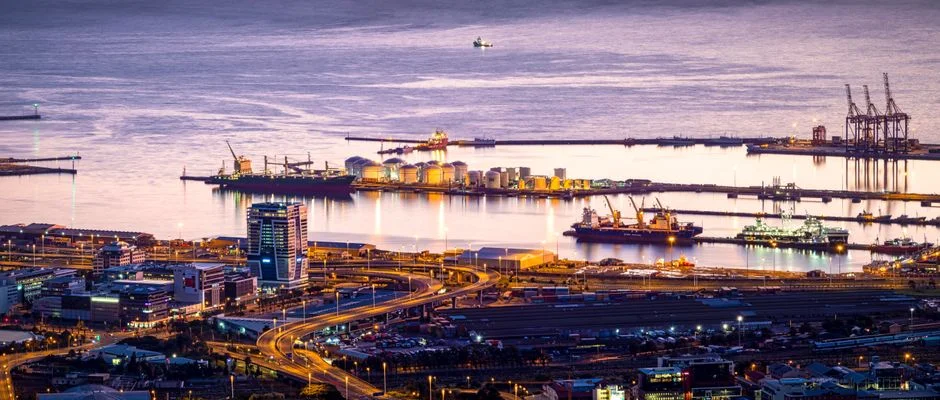
Jeffreys Bay, the legendary Eastern Cape surf destination that has hosted World Surf League events for decades, will not appear on the 2025 championship tour schedule. The omission marks the first time in over two decades that one of surfing's most iconic right-hand point breaks will sit outside the sport's premier competitive circuit. Local tourism operators and business owners in the town of roughly 50,000 residents say the decision threatens a significant portion of their annual revenue.
The Financial Fallout Begins
Surf tourism generates an estimated R400 million annually for the Jeffreys Bay economy, according to data from the Kouga Municipality. The annual WSL event typically drew between 15,000 and 20,000 visitors to the region over a single competition week. Hotel occupancy rates in the town routinely hit 95 percent during contest windows, with many establishments charging premium rates that local visitors have come to dread.
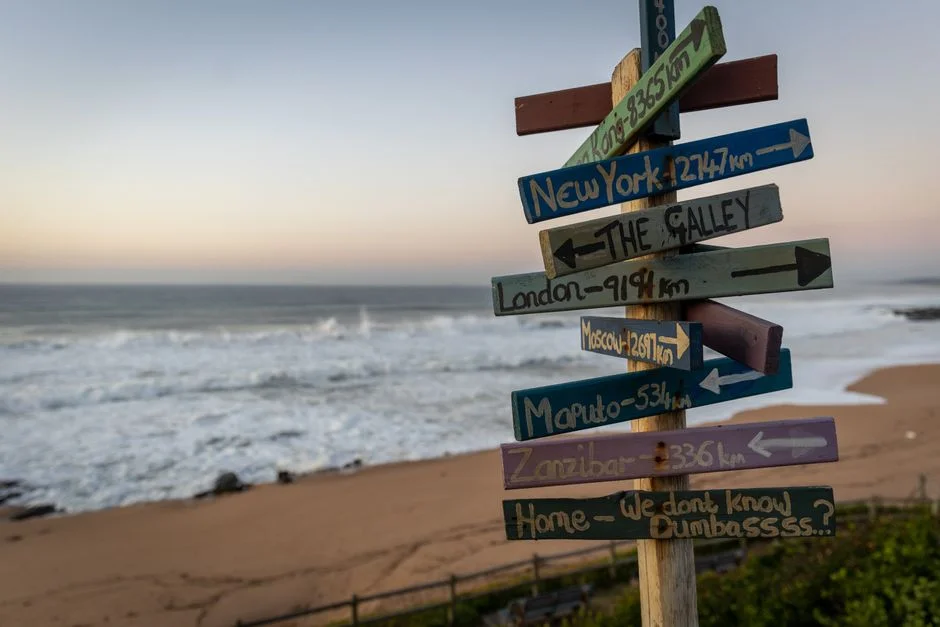
The Solomon Mahlangu Road area, where most surf accommodation clusters, relies heavily on the international exposure the event provided. Without the televised competition reaching audiences in Australia, Brazil, and the United States, marketing managers at regional tourism bodies expect booking inquiries to fall sharply during the traditional April-May contest window.
Businesses Scramble to Adapt
Shane Durston, owner of the popular Island Vibe Surf Shop, said his sales typically tripled during competition week. "The event put J-Bay on maps for surfers who had never heard of South Africa," he told reporters at his Main Road store. "Now we have to rebuild that awareness ourselves, and we simply do not have the budget." His shop employs twelve seasonal workers, most of whom he now considers at risk of losing hours.
Durston is not alone. A survey conducted by the Jeffreys Bay Business Association found that 67 percent of surveyed tourism businesses expected to reduce seasonal staff levels in the absence of the WSL event. Restaurant owners, car rental operators, and fuel stations all reported preparing contingency budgets for a leaner competitive season.
Small Operators Bear the Brunt
Family-run guesthouses face the steepest challenge. Unlike larger hotel chains with national marketing budgets, these businesses depend almost entirely on organic search traffic and repeat visitors—traffic that the global broadcast consistently generated. The average nightly rate at these establishments sits around R850, a price point that attracts tourists specifically researching world-class surf destinations featured on international television.
The WSL's Strategic Pivot
The World Surf League has not publicly explained its scheduling decision, though industry observers point to the organisation's push to consolidate events in North American and Oceanic markets. Three of the eight men's championship tour stops scheduled for 2025 will occur in either the United States or Australia. The league's commissioner acknowledged in a January press release that "venue diversity and operational sustainability" guided the calendar selection process.
South Africa's nearest remaining WSL event will be at the newly constructed wave park near Cape Town, approximately 750 kilometres from Jeffreys Bay. That facility, which opened to professional competition last year, represents the WSL's sole Southern African stop for the foreseeable future.
Regional Tourism Bodies Respond
The Eastern Cape Provincial Department of Economic Development has scheduled a meeting with Jeffreys Bay stakeholders for next month. Director-general Thabo Makgoba confirmed his ministry was examining "all available instruments" to support affected businesses, though he declined to specify whether direct financial assistance was under consideration.
Alternative event organiser Surf Open Tours has expressed interest in staging a replacement competition at the same Supertubes venue. Chief executive Marco Fourie said his organisation could potentially stage an event within six months, though it would lack the prize money and qualification points of an official WSL stop.
The Broader Tourism Question
Jeffreys Bay's exclusion arrives as South Africa's tourism sector continues recovering from pandemic-era disruptions. International arrivals to the Eastern Cape fell 12 percent last year compared to 2019 levels, according to Statistics South Africa data released in December. The province has marketed itself increasingly toward adventure tourism, positioning surf culture as a key differentiator against competitors in Mozambique and Tanzania.
Local surf instructor and community advocate Priya Naidoo argues the economic damage extends beyond the immediate competition window. "When the WSL broadcast showed J-Bay sunsets and coral reefs, it was worth more than any tourism billboard," she said. "That kind of exposure took decades to build and one decision to unravel." Her surf school employs eight instructors and has already begun offering discounted packages to domestic visitors.
What Comes Next
The WSL typically announces its following season schedule in September, giving Jeffreys Bay advocates roughly ten months to lobby for reinstatement. The South African Surfing Federation has begun coordinating with national sports ministry officials to submit a formal hosting proposal. Success is far from guaranteed, but federation president André Oosthuizen said the organisation was committed to exhausting every avenue.
Until then, business owners in Jeffreys Bay are preparing for an uncertain season. Many are pivoting toward domestic tourism campaigns, offering off-peak discounts to South African visitors who might otherwise travel abroad. Whether those efforts can offset the loss of international broadcast exposure remains to be seen. The next tourism season begins in earnest next March.
See Also
- Canal+ Files for JSE Listing in Major Africa Media Expansion
- Mamelodi Sundowns Pushes Economic Stakes Higher With New Strategy
What is the latest news about jeffreys bay left off world surf league tour local economy faces tourist hit?
Why does this matter for sports?
What are the key facts about jeffreys bay left off world surf league tour local economy faces tourist hit?