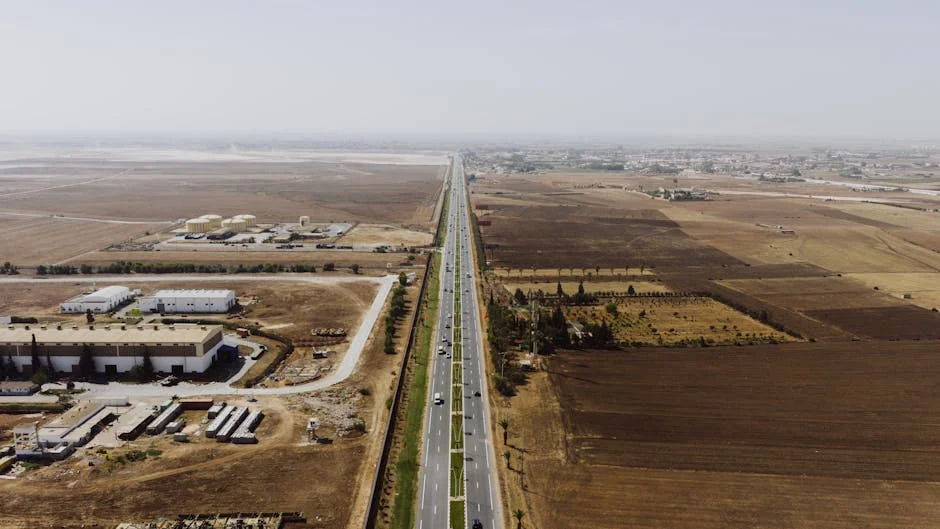
The Confederation of African Football has confirmed TotalEnergies as the title sponsor for the under-17 edition of its flagship youth tournament, cementing a commercial partnership that will see the energy multinational attach its brand to African football's developmental pipeline through 2026. The deal covers the CAF U-17 Africa Cup of Nations scheduled to take place in Morocco, marking another step in the French company's sustained push into sports marketing across the continent. CAF President Patrice Motsepe referenced the agreement during a press briefing in Cairo, describing it as a vote of confidence in African football's commercial trajectory.
Sponsorship Reinforces TotalEnergies African Market Strategy
TotalEnergies has been steadily expanding its advertising footprint across Africa, using sports sponsorships to build brand recognition in markets where it competes against Shell, BP, and smaller regional fuel retailers. The company already holds naming rights to the African Nations Championship (CHAN) and has partnerships with football clubs in South Africa and Nigeria. This latest arrangement with CAF extends that portfolio to youth competitions, targeting a demographic that represents future consumers and loyalists. Industry analysts pointed out that energy companies historically dominate sports sponsorship in emerging markets because fuel retail remains highly competitive and brand switching rates are high.

What the Deal Means for CAF's Commercial Revenue
CAF has been working to increase commercial income from sponsorships asBroadcasting rights revenues have become less predictable amid competition from streaming platforms. Securing a tier-one sponsor like TotalEnergies for a youth tournament provides a revenue floor that does not depend on how far the host nation progresses in the competition. The organisation did not disclose the financial terms of the agreement, but comparable CAF sponsorship packages for senior tournaments have reportedly ranged between $5 million and $15 million per edition. Youth tournaments typically command lower fees, but the Morocco 2026 deal carries added value because the host nation has invested heavily in stadium infrastructure ahead of its 2030 World Cup bid with Spain and Portugal.
Morocco's Sports Infrastructure Strategy Gets a Boost
Morocco has positioned itself as North Africa's primary venue for international sporting events, hosting the 2022 Women's Africa Cup of Nations, the Club World Cup in 2022 and 2023, and the African Nations Championship in early 2025. The government in Rabat has treated sports infrastructure as an economic development tool, creating jobs in hospitality, transport, and construction while generating tourism revenue. Hosting the U-17 Afcon in 2026 will allow Morocco to test operational systems at stadiums built or renovated for the Club World Cup, including the Prince Moulay Abdellah Stadium in Rabat and the Grand Stadium in Casablanca. Local authorities expect each tournament day to draw tens of thousands of spectators, filling hotel rooms and restaurants across both cities.
Youth Football as an Investment in Human Capital

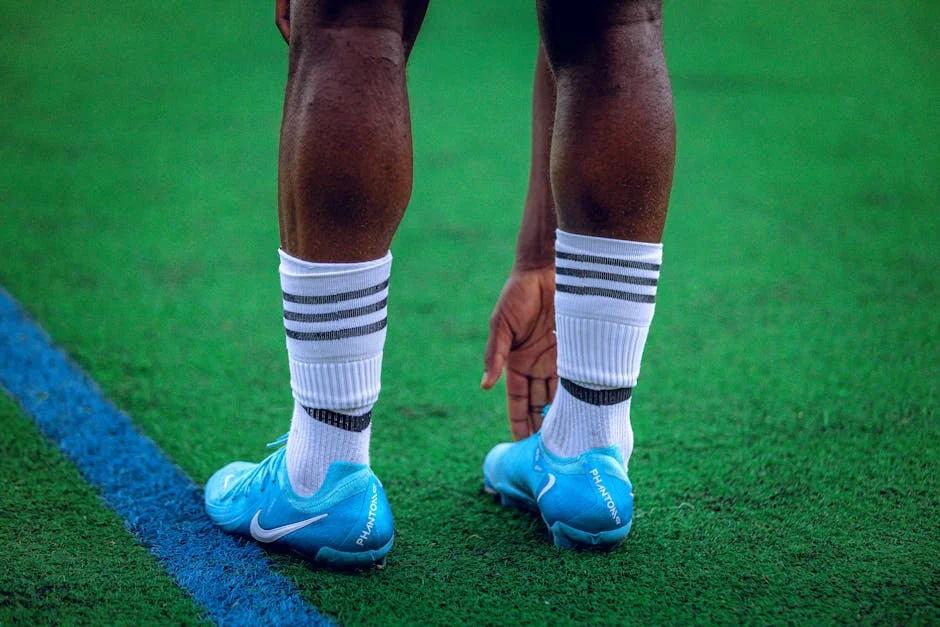
The U-17 Afcon serves as CAF's primary talent identification platform, with scouts from European clubs regularly attending to assess players who may eventually transfer to top leagues in England, France, or Germany. A successful tournament can elevate the profile of an entire generation of players from a given country, increasing transfer fee income for domestic clubs. South Africa, Nigeria, and Ghana have historically produced the most players who advance from this age group to senior national teams and professional careers abroad. The economic contribution of these pipeline players to their home clubs can be substantial; a single transfer of a promising teenager to a European club can generate millions of dollars that gets reinvested into local academies and facilities.
Market Implications for South African Investors
For South African businesses with exposure to African markets, CAF tournaments have historically created procurement opportunities in sectors ranging from catering and transport to security and broadcasting. Multichoice, the pay-television operator based in Randburg, holds rights to broadcast CAF competitions across sub-Saharan Africa and benefits from increased viewership whenever a South African team performs well. Supermarket chains and fast-food brands see spikes in sales during major tournaments as fans gather to watch matches. Energy sector investors should note that TotalEnergies' growing sponsorship portfolio reflects the competitive pressure facing South Africa's Sasol, which has relied on sports partnerships to defend its market share in the fuel retail segment.
What Comes Next for the Tournament
CAF will announce the qualifying format and host city allocations for the 2026 tournament in the coming months. Morocco must submit its final stadium and training site proposals to CAF's inspection team before the end of the year. Qualification matches for the U-17 Afcon will begin in early 2026, with the final tournament likely scheduled for the second half of the year to avoid conflict with senior national team commitments. TotalEnergies executives are expected to attend the tournament's opening match in Rabat, where they will activate promotional campaigns targeting local fans and media. Businesses planning to advertise during the competition should begin negotiating broadcast slots now, as inventory tends to sell out quickly when South African or Nigerian teams reach the knockout stages.
See Also
- Kenya Rejects US Ebola Quarantine Plan — Warning of Economic Damage
- Tiwa Savage Launches $20M Fund to Bankroll African Music Talent