Panama is expanding its economic reach into Africa, with trade officials announcing an ambitious push to strengthen commercial ties with Ghana and other Sub-Saharan markets. The initiative comes as the Central American nation seeks to reduce its reliance on traditional trading partners and tap into fast-growing African economies.
Panama's Strategic Trade Pivot
The government in Panama City unveiled plans this week to open new trade representative offices in West Africa, beginning with Ghana. Officials said the offices would help Panamanian exporters navigate regulatory requirements and identify investment opportunities across the region. Panama already serves as a key transit hub for global shipping, with the Panama Canal handling roughly 6% of world trade annually. Now, authorities want to position the country as a bridge between Asia, the Americas, and Africa.
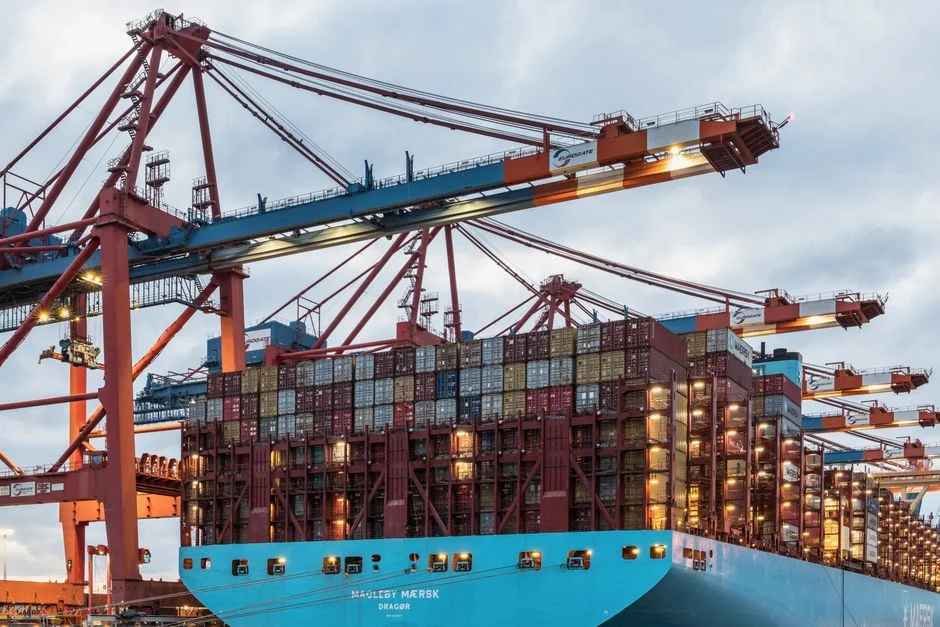
Trade between Panama and African nations has remained modest, accounting for less than 2% of total trade volume in recent years. However, officials see significant room for growth, particularly in agricultural exports, logistics services, and infrastructure consulting. The administration has allocated an initial $12 million to fund market research, trade missions, and promotional campaigns in the region.
Why Ghana First
Ghana emerged as the priority partner because of its political stability, English-language business environment, and growing middle class. The West African nation has posted consistent GDP growth above 5% annually and has positioned itself as a gateway to the Economic Community of West African States, a bloc of 15 countries representing roughly 300 million consumers. Panamanian Trade Minister Amelia Edwards told reporters that Ghana's investment climate makes it an ideal starting point for broader African engagement.
Local businesses have expressed cautious optimism about the initiative. The Panama Chamber of Commerce surveyed 200 firms last month, finding that 43% were interested in exploring African markets but cited lack of information as the primary barrier. The new trade offices aim to address that gap by providing market intelligence, regulatory guidance, and connections to local partners.
Market Implications for Investors


The move carries implications for investors watching Latin America's economic diversification strategies. Panama's Canal Zone economy has long been tied to logistics and financial services, but slowing growth in traditional markets has prompted authorities to explore new revenue streams. Analysts at regional financial institutions say the African push could open doors for Panamanian ports, shipping companies, and export-focused manufacturers.
Infrastructure investment funds with exposure to African development projects may also benefit from stronger Panamanian participation. Panama's experience managing one of the world's most critical waterways gives the country credibility as a logistics partner for African nations building their own trade infrastructure.
What to Watch Next
A trade delegation from Panama is scheduled to visit Accra in the coming months to finalize agreements on agricultural exports and air connectivity. The delegation will include representatives from Panama's port authority, agricultural exporters, and state-owned logistics firms. If the Ghana initiative succeeds, officials have indicated plans to expand to Nigeria, Kenya, and South Africa by 2026. Investors should monitor whether these plans translate into measurable increases in trade volume and whether private sector interest follows government enthusiasm.
See Also
- Durban Metro Police Officer Suspended Over Alleged Job-for-Bribe Scheme
- Boko Haram Video Misleads Investors — Real Threats Hit Nigerian Markets
What is the latest news about panama targets ghana trade surge as central american hub expands african footprint?
Why does this matter for agriculture-food?
What are the key facts about panama targets ghana trade surge as central american hub expands african footprint?