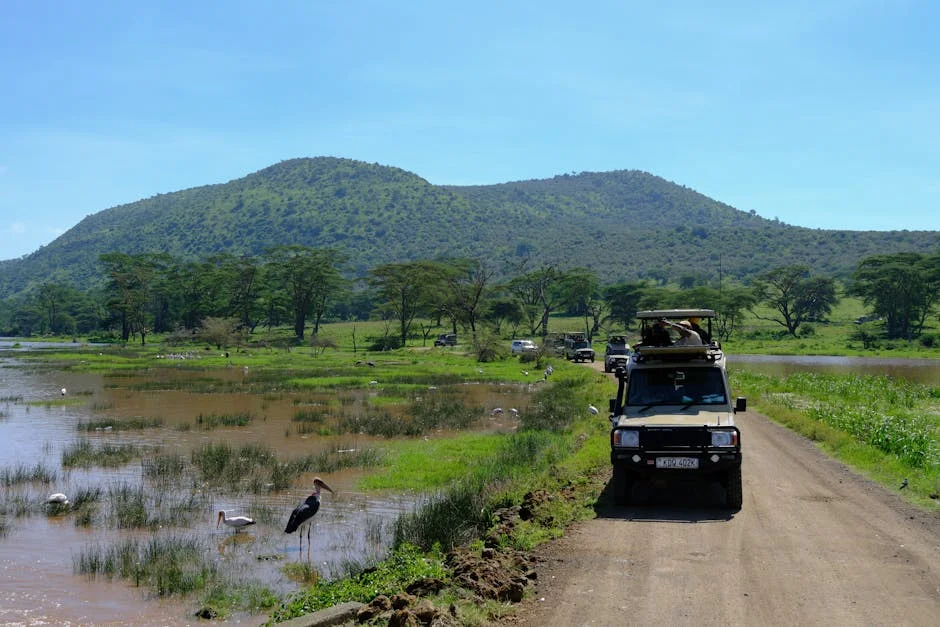
Tourism operators across East and Southern Africa are watching a quiet revolution unfold inside the continent's most iconic wildlife reserves. Kenya and South Africa, home to the Maasai Mara and Kruger National Park respectively, are both wrestling with the same uncomfortable question: who actually benefits from the land that animals roam across?
Colonial Roots of Modern Conservation
When white settlers established Kruger National Park in 1926, they forced thousands of Black families off their ancestral land. The model was simple: Europeans would manage wildlife for profit while local communities bore the costs of living alongside dangerous animals with little compensation. Kenya inherited a similar structure when British colonial administrators carved out wildlife reserves across the Rift Valley.
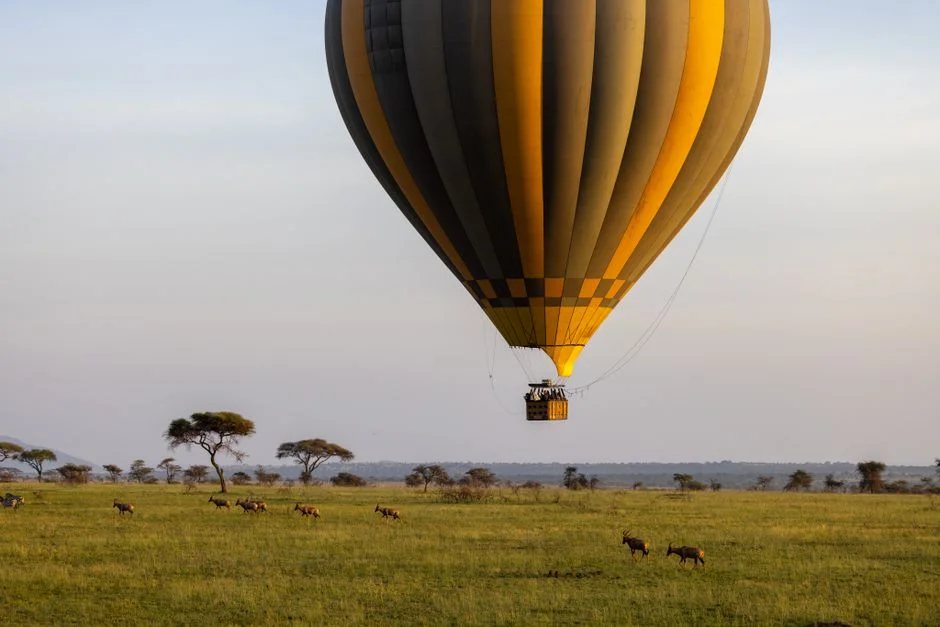
That architecture persists today. In the Maasai Mara, the Naru County government recently announced plans to renegotiate revenue-sharing agreements with conservancies that manage the reserve's tourism operations. Industry sources estimate the Mara generates roughly $180 million annually from visitors drawn by the great migration of wildebeest and zebra.
The Economics of Ecotourism Under Pressure
Africa's safari industry contributes an estimated $29 billion to the continent's GDP each year, supporting roughly 3.6 million jobs across the tourism value chain. Wildlife reserves anchor this economy. When these lands function well, they attract high-spending international tourists. When they falter, entire regional economies feel the strain.
South Africa's private safari lodges have begun experimenting with community ownership models, offering local residents equity stakes in tourism ventures. The results have been mixed. Some lodges report improved security and habitat protection when nearby communities profit directly from wildlife. Others struggle with governance disputes that slow decision-making.
Land Rights and Investment Confidence
International development finance institutions, including the International Finance Corporation, have made community benefit-sharing a condition of new lending for conservation projects. Private equity funds focused on African tourism have adopted similar requirements. This shift creates both opportunity and uncertainty for investors weighing safari ventures against other emerging-market opportunities.
The fundamental tension remains unresolved. Wildlife conservation requires large tracts of unfenced land. Rural communities need economic development and secure land tenure. Tourism operators demand predictable access and stable management. These three imperatives do not always align.
Revenue Disputes Shake Investor Confidence

In Kenya, a dispute between the Maasai Mara National Reserve management and local community conservancies has simmered for two years. At the centre of the disagreement is how tourism revenue flows from lodge operators through conservancies to individual households. Community leaders argue that middlemen capture too large a share. Lodge owners counter that unsustainable fee demands will drive away international operators.
The Kenyan government has attempted mediation through the Ministry of Tourism and Wildlife. No final settlement has been announced. In the meantime, some tour operators have begun diversifying their itineraries to include private conservancies outside the reserve boundaries, a trend that diverts spending away from the Mara itself.
What Changes Next for Safari Tourism
Conservation economists tracking these disputes note that resolution models vary significantly across the continent. Namibia's communal conservancy system, which grants local communities legal rights over wildlife management, has attracted praise from international donors and generated measurable improvements in rural incomes. Critics argue the Namibian model requires administrative capacity that other countries lack.
Botswana has taken a different approach, banning safari hunting and redirecting tourism revenue toward photographic safaris and community enterprises. The policy has generated controversy among some rural voters who lost hunting income, while supporters claim it has stabilized wildlife populations in key areas.
Investors Weigh Risks and Opportunities
For institutional investors considering African tourism assets, the governance landscape matters as much as wildlife populations. Reserves with transparent revenue-sharing, clear land tenure, and functioning community consultation processes consistently outperform those entangled in disputes. A 2023 analysis by the African Wildlife Foundation found that community-engaged conservancies reported 23% higher repeat visitor rates than those with unresolved local grievances.
The practical implication is straightforward: conservation projects that ignore community economics face operational risk. Tourism operators that fail to distribute benefits equitably encounter resistance that can escalate into property damage, security incidents, or regulatory interference.
Watching for Policy Shifts
Kenya's Treasury ministry has signalled interest in reforming how wildlife revenue is taxed and distributed across county boundaries. If adopted, new rules could reshape the economics of every major reserve in the country. South Africa's Ministry of Environment is reviewing community benefit requirements for parks operated under public-private partnerships.
What to watch: both reviews are expected to produce draft legislation within the next twelve months. The outcome will determine whether Africa's conservation estate can sustain itself economically while addressing the inequities embedded in its colonial foundations. Billions of dollars in tourism investment hang in the balance.
See Also
- South Africa Surpasses 10,000 LLP Registrations in January — Here's Why It Matters
- World Bank Warns Somalia: Building Climate Resilience Is Key for Growth - What It Means
In the meantime, some tour operators have begun diversifying their itineraries to include private conservancies outside the reserve boundaries, a trend that diverts spending away from the Mara itself.What Changes Next for Safari TourismConservation economists tracking these disputes note that resolution models vary significantly across the continent. Critics argue the Namibian model requires administrative capacity that other countries lack.Botswana has taken a different approach, banning safari hunting and redirecting tourism revenue toward photographic safaris and community enterprises.