Shell continued pumping oil through a major Nigerian pipeline for years after internal documents showed the company had evidence of pollution damage, according to records released to courts and journalists. The Anglo-Dutch energy giant operated the pipeline in the Niger Delta region while facing repeated complaints from local communities about contaminated farmland and water supplies. The documents, spanning several years, detail how Shell engineers flagged environmental concerns internally while publicly maintaining the operation met regulatory standards. The revelation arrives as Shell faces mounting legal pressure in Nigeria and as investors scrutinise the company's environmental liabilities across Africa.
What the documents reveal
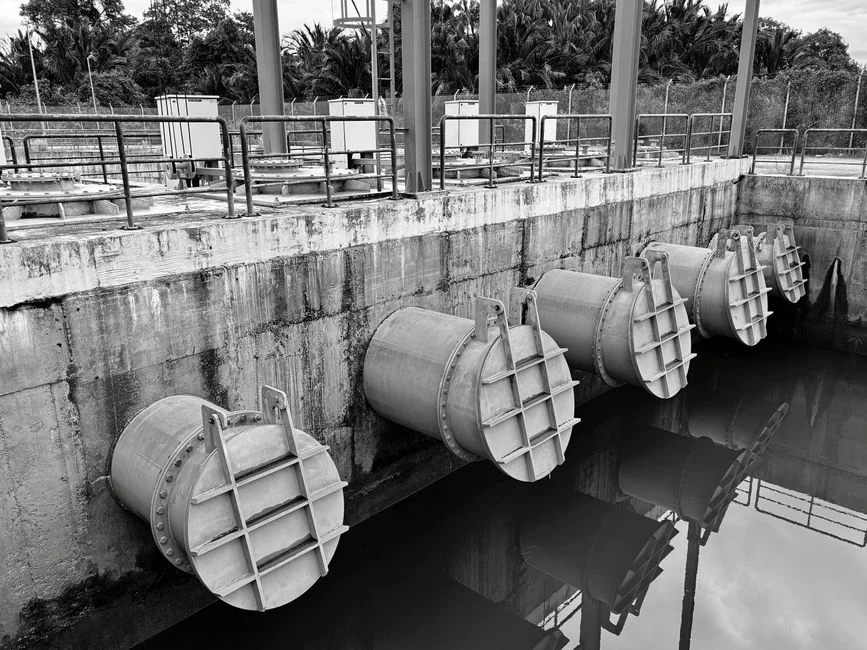
Internal communications reviewed by reporters show Shell received laboratory results confirming hydrocarbon contamination in soil samples taken near the pipeline corridor. Company staff circulated these findings among senior managers in The Hague, where Shell's global headquarters sits, without immediately halting operations or conducting a full clean-up. The pipeline, which traverses hundreds of kilometres through Delta State and Bayelsa, remained active throughout this period. Engineers recommended emergency repairs to ageing infrastructure on at least three separate occasions, according to the documents. None of those repair orders resulted in a shutdown of the pipeline system, the records show.
Communities bear the cost
Fishing villages along the pipeline route have reported declining catches and mysterious illnesses affecting children for more than five years. Local fishermen in the village of Bodo, located near one of the pipeline's junction points, told journalists their nets come up coated in black residue after heavy rains. Agricultural yields in the surrounding area have dropped by an estimated 30 to 40 percent, according to surveys conducted by community groups. The Nigerian National Petroleum Corporation, which holds a stake in the pipeline through joint ventures, declined to comment on the specific allegations. Shell maintains it has invested millions in environmental monitoring programmes across the Niger Delta.
Legal exposure for Shell


Lawyers representing affected communities have filed claims in Nigerian courts seeking compensation for lost livelihoods and remediation costs. The cases could take years to resolve, but legal experts say the document release strengthens arguments that Shell knew about the pollution and failed to act. A separate group of lawyers has notified Shell of intent to pursue claims in UK courts under post-colonial litigation strategies that have succeeded against other multinationals. Shell has denied liability and argued its operations complied with the permits issued by Nigerian regulators at the time. The company faces similar lawsuits in the United States over alleged complicity in human rights abuses in the Niger Delta.
Investor concerns mount
Institutional shareholders who track environmental, social, and governance metrics have flagged the disclosures in recent briefings. The pipeline's continued operation despite acknowledged pollution risks raises questions about how Shell values assets in jurisdictions with weaker enforcement. Analysts covering African energy markets say the case could influence how investors price risk for Shell's other onshore operations across the continent, including significant holdings in South Africa and Gabon. Shell's share price has remained relatively stable in recent trading, but options markets show increased volatility around earnings dates where litigation provisions are discussed. The company set aside $400 million for Nigerian litigation costs in its last annual report.
Regulatory questions in Nigeria
Nigeria's Department of Petroleum Resources, the federal regulator responsible for pipeline licensing, has not announced any investigation into the specific allegations. Environmental advocacy groups have written to the ministry requesting a formal review of the pipeline's operating licence. A ministry spokesperson said the agency monitors compliance through scheduled inspections and reported any violations to the Federal High Court. Environmental law specialists say Nigerian regulators face capacity constraints that make independent monitoring difficult. The country produces roughly 1.5 million barrels of crude oil daily, with the Niger Delta accounting for the bulk of output.
Broader implications for African energy investment
The controversy emerges against a backdrop of heightened scrutiny of oil company practices across sub-Saharan Africa. International development banks have tightened lending conditions for projects that lack robust community consultation processes. Private equity funds focused on energy infrastructure in Africa say they now conduct more extensive due diligence on environmental liability exposure before committing capital. Some analysts argue the Shell case may accelerate a shift toward gas projects, which carry lower political risk in sensitive ecosystems. Others note that Nigeria's economy still depends heavily on oil revenues, making any disruption to production politically sensitive.
What happens next
A Nigerian High Court is scheduled to hear arguments in the Bodo community case by the end of the third quarter. Shell must file its formal defence by mid-August. Separately, UK-based lawyers have indicated they will seek a court order compelling Shell to disclose all internal reports related to Niger Delta operations dating back eight years. Investors will watch Shell's next quarterly update for any revision to litigation provisions. The company has scheduled its annual strategy day for November, where environmental performance targets are expected to feature prominently. Environmental groups plan a demonstration outside Shell's Lagos office next month, adding pressure ahead of the court date.
See Also
- Cape Town Road Closures Trigger Business Revolt Ahead of Marathon
- Centre Demands Report on Odisha Tree Felling Plan
Analysts covering African energy markets say the case could influence how investors price risk for Shell's other onshore operations across the continent, including significant holdings in South Africa and Gabon. The country produces roughly 1.5 million barrels of crude oil daily, with the Niger Delta accounting for the bulk of output.Broader implications for African energy investmentThe controversy emerges against a backdrop of heightened scrutiny of oil company practices across sub-Saharan Africa.