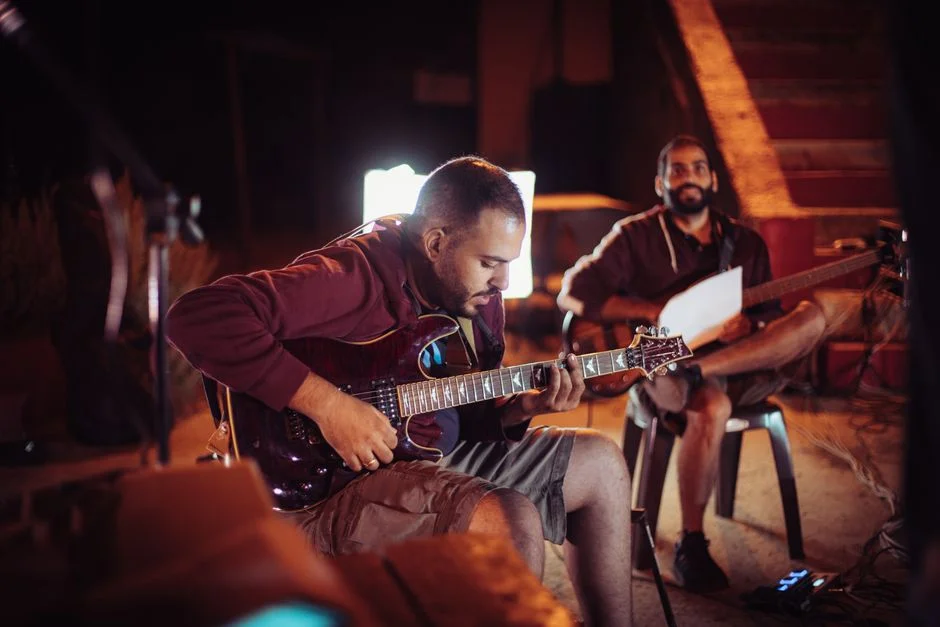
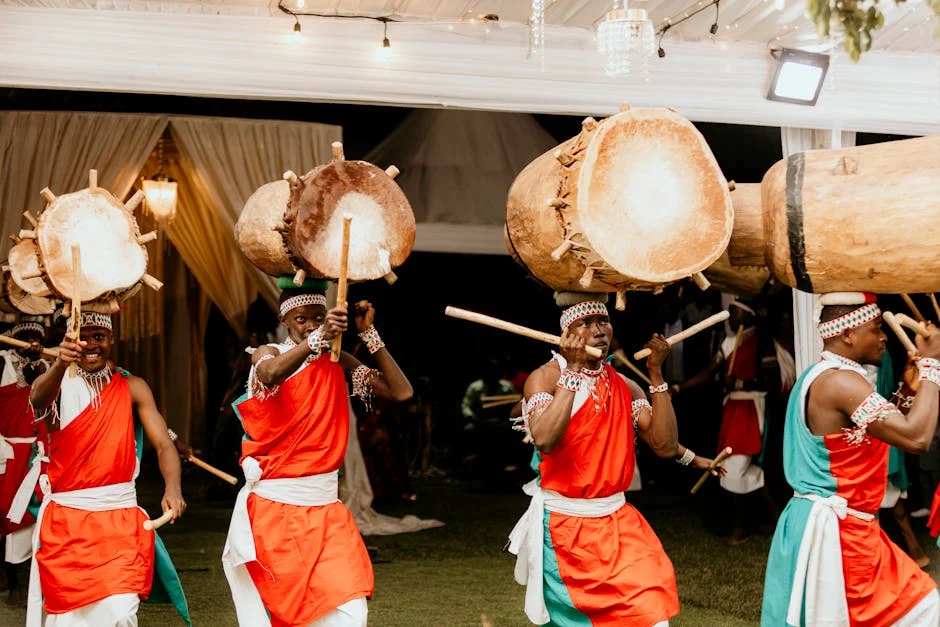
Tarryn Lamb took centre stage in Cape Town last week, anchoring a celebration of sound, movement and collaboration that has drawn attention from beyond South Africa's borders. The event brought together performers, producers and cultural workers at a moment when the city's performing arts sector is increasingly seen as an economic asset, not merely a cultural one.
Industry observers note the gathering arrives amid growing recognition of the creative sector's contribution to urban economies. Cape Town has long positioned itself as a hub for film, music and live performance, but recent data suggests the performing arts are beginning to attract a different kind of interest — from investors, property developers and municipal planners alike.
A Sector Finding Its Footing
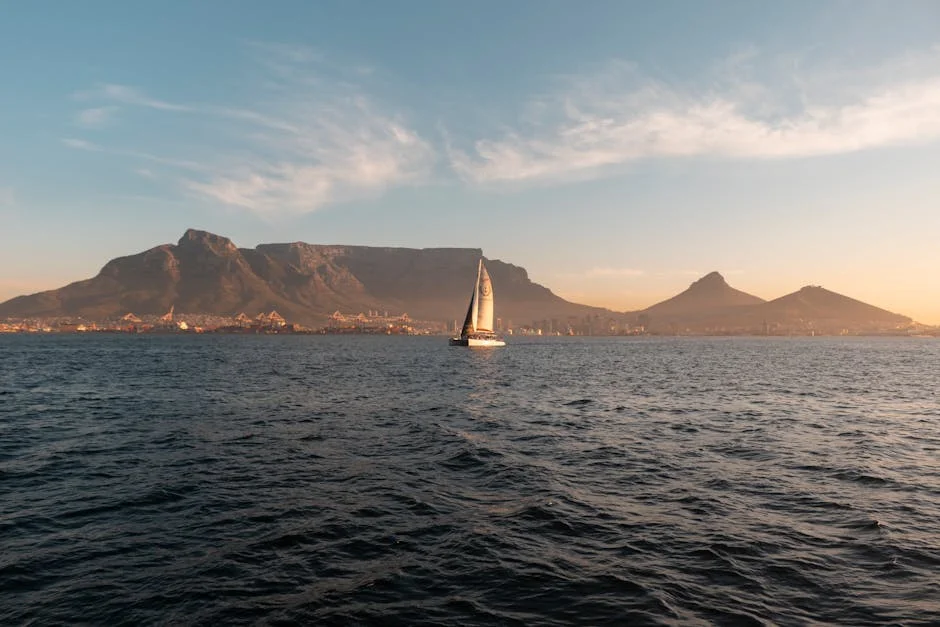
The performing arts have historically operated on thin margins in South Africa. Venues struggle with rising utility costs. Independent artists often juggle multiple income streams to stay solvent. But the landscape is shifting, according to those working within it.
Tarryn Lamb explained during the event that collaboration has become essential for survival. "We stopped thinking of each other as competition," she told the audience. "The real question is how we build something that lasts beyond a single season."
That question carries economic weight. The creative industries contribute roughly 2.9 percent to South Africa's gross domestic product, according to the most recent figures from Statistics South Africa. While that share remains modest compared to manufacturing or finance, advocates argue it understates the sector's multiplier effect on hospitality, tourism and urban development.
Why Investors Are Paying Attention
Property companies have begun acquiring or repurposing buildings in the city centre specifically for arts use. The logic is straightforward: cultural venues draw foot traffic that benefits surrounding retail and foodservice businesses. In districts like the Foreshore and Salt River, landlords who once dismissed arts tenants as unreliable are now offering discounted leases.
Local authorities have taken note. The City of Cape Town's economic development unit released a report in the previous fiscal year identifying creative clusters as a priority growth area. The document outlined potential incentives for venue operators, including reduced rates for properties used primarily for live performance.
The shift reflects a broader trend in urban economics. Cities worldwide have discovered that arts clusters generate returns that don't appear on a simple balance sheet — higher property values, increased tourism spend, improved quality of life indicators that influence corporate location decisions.
The Tourism Connection
Cape Town's positioning as a global destination relies heavily on cultural offerings. The Cape Town Convention Bureau has increasingly promoted the city as a venue for arts festivals and performance tours, targeting both domestic and international audiences. Visitor spend data from the previous year showed that cultural tourists staying in the city for three or more nights outspent average leisure travellers by a significant margin.
The connection matters for local businesses. Hotels near major venues report occupancy spikes during major arts events. Restaurants and bars in the city bowl experience similar patterns. The economic ripple effect, while difficult to isolate precisely, is substantial enough that tourism bodies now coordinate directly with arts producers on scheduling.
Challenges That Persist

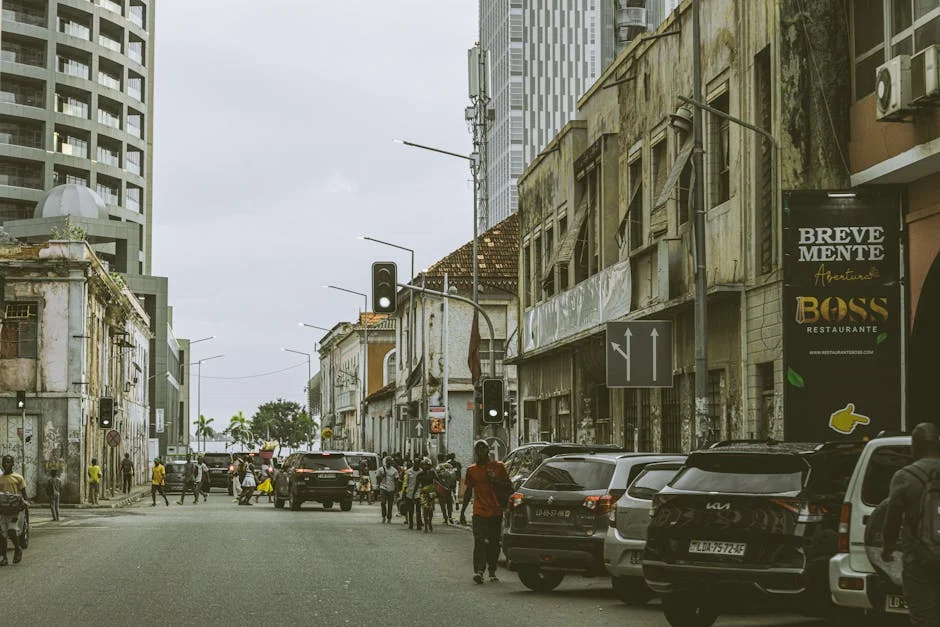
Despite the optimism, significant obstacles remain. Infrastructure costs continue to rise. Several venues in Cape Town have closed or scaled back operations in recent years, citing unsustainable overheads. The performing arts workforce lacks the formal protection enjoyed by workers in more established sectors.
Funding models remain inconsistent. Corporate sponsorship, which sustains much of the sector elsewhere, is less developed in South Africa outside of major cities. Public arts funding through the National Arts Council has been criticized for bureaucratic delays that leave artists waiting months for confirmed grants.
Electricity supply issues also affect venue operations. Load-shedding schedules have forced organisers to invest in backup generation, adding to production costs. While Eskom has indicated improvements to the national grid, many in the arts community remain cautious about relying on those projections.
What Comes Next
Organisers of the Cape Town event say they are already planning a follow-up gathering for the second quarter of next year. The expanded programme is expected to include a industry forum focused specifically on sustainable business models for independent arts companies.
Whether that forum attracts meaningful participation from investors and corporate partners will test how serious the economic interest in Cape Town's performing arts truly is. For now, the sector continues to make its case — one performance, one collaboration, one conversation at a time.
See Also
- Kenya's Court Halts U.S. Ebola Quarantine Plans — Trade Tensions Rise
- Court Convicts Avinash Ramkistan, Sending Shockwaves Through South African Legal Markets
Cities worldwide have discovered that arts clusters generate returns that don't appear on a simple balance sheet — higher property values, increased tourism spend, improved quality of life indicators that influence corporate location decisions.The Tourism ConnectionCape Town's positioning as a global destination relies heavily on cultural offerings. Visitor spend data from the previous year showed that cultural tourists staying in the city for three or more nights outspent average leisure travellers by a significant margin.The connection matters for local businesses.
What is the latest news about tarryn lamb headlines cape town arts celebration and the economic stakes are rising?
Why does this matter for sports?
What are the key facts about tarryn lamb headlines cape town arts celebration and the economic stakes are rising?