The economic argument for trophy hunting in Africa is gaining traction among investors and conservationists alike. A new podcast series titled 'On the trail with the hunters who believe shooting big game can save Africa’s wildlife' challenges the traditional eco-tourism model. This analysis explores the financial realities behind the safari industry and how hunting revenue directly funds conservation efforts across the continent.
The Economics of the Safari Industry
The African safari industry generates billions of dollars annually, yet the distribution of this wealth is often uneven. Hunting tourism represents a significant, yet frequently overlooked, segment of this market. Unlike photographic tourism, which can be seasonal and weather-dependent, hunting offers a high-yield revenue stream that often attracts high-net-worth individuals. These hunters are willing to pay a premium for exclusivity and the tangible result of their journey.
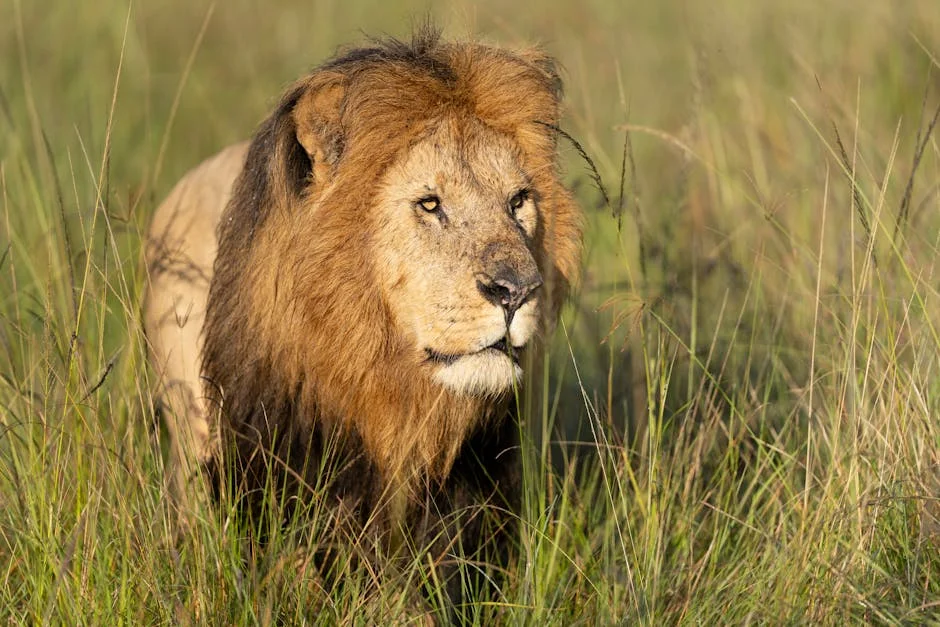
In countries like Namibia and Botswana, hunting licenses and concessions contribute directly to local economies. The revenue flows into infrastructure development, healthcare, and education in rural communities. This direct economic injection creates a compelling case for maintaining hunting rights as a tool for economic stability. Businesses involved in the safari sector are increasingly recognizing the financial resilience of hunting compared to traditional lodge-based tourism.
Investors are beginning to view wildlife as a tangible asset class. The valuation of a lion or an elephant changes depending on the economic model applied. Under a hunting model, the animal’s value is realized through the sale of the trophy and the associated services. This realization of value can be more immediate and predictable than the potential future earnings from photographic tourism, which relies on global travel trends and marketing efforts.
Conservation Funding Mechanisms
Conservation is often treated as a charitable endeavor, but it requires robust financial backing to survive. Hunting provides a direct funding mechanism that links the health of wildlife populations to the economic interests of local stakeholders. When a community sees direct financial benefits from a healthy lion population, they are more likely to protect it from poaching and habitat encroachment. This creates a self-sustaining cycle of conservation and economic growth.
Direct Revenue Streams
The financial structure of hunting tourism is transparent and direct. Revenue comes from several key sources including the purchase of the concession rights, the payment for the specific animal, and the fees for guides and equipment. These funds are often distributed quickly to the local community, providing immediate economic relief. This contrasts with photographic tourism, where revenue may take longer to filter down to the grassroots level through hotel profits and employment wages.
Furthermore, hunting helps manage animal populations, preventing overgrazing and habitat degradation. This management service has economic value in terms of maintaining the quality of the land for future use. Investors in land and wildlife assets recognize that a well-managed herd produces better returns than an unmanaged one. The financial health of the land is directly tied to the financial health of the wildlife.
Market Reactions and Investor Sentiment


The global market for safari experiences is evolving. While some European and North American markets have shown a shift towards photographic tourism, other regions remain strong supporters of hunting. The United States, for example, continues to be a major market for African hunting packages. This geographic diversity provides a buffer against regional economic downturns or shifting cultural preferences. Investors are keenly aware of this diversification benefit.
Businesses in the safari sector are adapting to these market dynamics. Many operators are offering hybrid packages that combine hunting and photographic experiences. This strategy allows them to capture revenue from both segments of the market. It also provides flexibility for travelers who may want to experience both sides of the safari industry. This adaptability is crucial for long-term business sustainability in a volatile tourism market.
Investor sentiment towards wildlife assets is becoming more sophisticated. There is a growing understanding that wildlife is not just a biological resource but an economic one. This shift in perspective is driving new investment models, including wildlife trusts and conservation bonds. These financial instruments allow investors to directly fund conservation projects with the expectation of a financial return. This innovation is helping to bridge the funding gap in African conservation.
Local Community Impact
The impact of hunting revenue on local communities is profound. In many rural African areas, the economy is heavily reliant on agriculture and livestock. Hunting provides an alternative source of income that can complement these traditional sectors. The revenue from hunting concessions often funds local schools, clinics, and water projects. This infrastructure development improves the quality of life for residents and creates a more stable economic environment.
Employment is another key benefit of the hunting industry. Hunting requires a range of skilled and semi-skilled workers, including guides, trackers, camp staff, and butchers. These jobs provide steady income for local families and help to reduce rural-urban migration. The multiplier effect of this employment is significant, as the wages earned are spent in the local economy, supporting other businesses and services. This creates a vibrant local economy that is resilient to external shocks.
Community ownership of wildlife assets is also increasing. In some areas, local communities own the wildlife on their land, giving them direct control over how it is managed and monetized. This empowerment leads to better conservation outcomes, as the community has a vested interest in the long-term health of the wildlife. It also ensures that a larger share of the revenue stays within the community, rather than leaking out to external investors.
Challenges and Criticisms
Despite the economic benefits, trophy hunting faces significant challenges. Public opinion in some Western markets has turned against hunting, driven by social media campaigns and high-profile documentaries. This shift in perception can affect demand and pricing power for safari operators. Businesses must invest in marketing and public relations to counter these narratives and highlight the economic and conservation benefits of hunting.
Regulatory uncertainty is another major challenge. Changes in hunting quotas, license fees, and conservation laws can significantly impact the profitability of hunting operations. Investors need a stable regulatory environment to make long-term commitments. This requires close collaboration between government bodies, private sector stakeholders, and local communities to create a predictable policy framework. Lack of clarity can deter investment and hinder economic growth in the sector.
Competition from other tourism sectors also poses a threat. Adventure tourism, cultural tourism, and eco-lodging are all vying for the same traveler dollars. Safari operators must differentiate their offerings and demonstrate the unique value proposition of hunting. This requires innovation in product design, customer experience, and brand storytelling. The ability to adapt to changing consumer preferences will be a key determinant of success in the future.
Future Outlook for Safari Investments
The future of the safari industry depends on its ability to balance economic, social, and environmental goals. Hunting will likely remain a key component of the African tourism landscape, particularly in countries where it has proven to be an effective conservation and economic tool. Investors who understand this dynamic are well-positioned to capitalize on the growth potential of the sector. The key is to focus on quality, sustainability, and community engagement.
Innovations in tourism products and financial instruments will continue to shape the industry. We may see more integrated conservation funds, wildlife equity markets, and technology-driven tourism experiences. These innovations will help to unlock new sources of capital and improve the efficiency of conservation efforts. The safari industry is at a crossroads, and the decisions made today will determine its trajectory for decades to come.
Readers interested in the financial aspects of African conservation should monitor upcoming policy announcements in key safari destinations. The results of community-led conservation initiatives will also provide valuable insights into the long-term viability of hunting as an economic engine. Keeping an eye on these developments will help investors and businesses navigate the evolving landscape of the African safari industry.
See Also
- Teremana Launch Exposes SA Liquor Market Bottlenecks
- Lego Launches Road Bike Kit, Shaking Up UK and SA Markets
What is the latest news about trophy hunting revenue saves african wildlife the economic case?
Why does this matter for sports?
What are the key facts about trophy hunting revenue saves african wildlife the economic case?