Somalia and Eswatini have pledged stronger bilateral ties during the Korea-Africa Ministerial Meeting, marking a significant diplomatic push that could reshape trade and investment flows across the continent. Foreign Minister Ahmed Moallim Fiqi represented Somalia at the gathering, where African nations sought to expand economic partnerships beyond traditional Western allies.
Diplomatic Commitments Take Shape
The meeting brought together Africa Foreign Ministers from multiple nations, creating a platform forSomalia and Eswatini to articulate shared interests in deepening engagement with East Asian partners. Somalia's delegation, led by Foreign Minister Ahmed Moallim Fiqi, focused on attracting infrastructure investment and development financing. Eswatini, long reliant on preferential trade arrangements, signalled interest in diversifying its economic partnerships through the Korea-Africa framework.
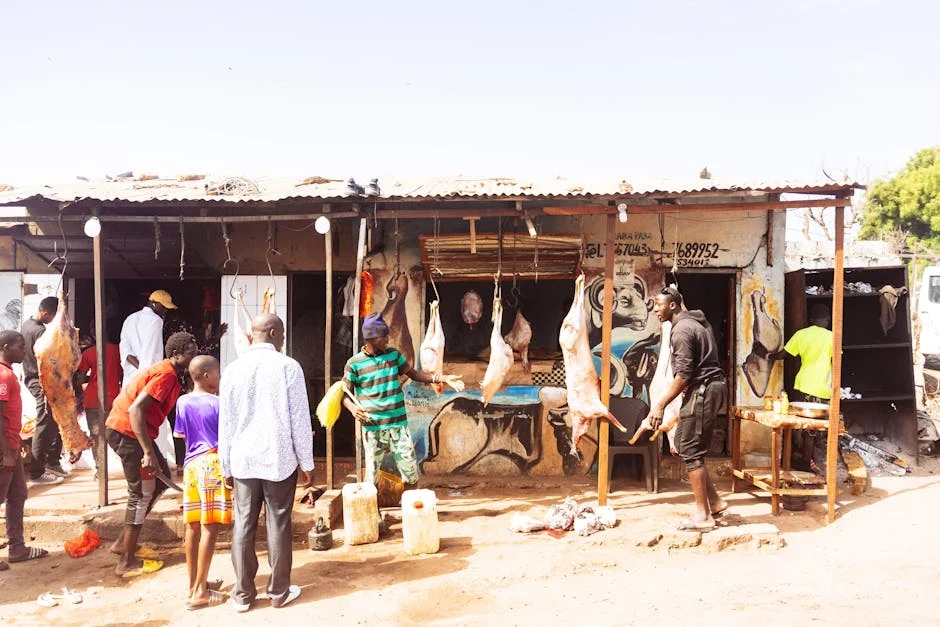
The Shabelle region in Somalia, a key agricultural zone, emerged as a potential beneficiary of any future Korean development programmes. Regional analysts suggest the timing reflects broader shifts in how African states approach external partnerships, moving away from dependence on a single bloc toward more balanced global engagement.
Economic Implications for African Markets
For South African businesses, the Korea-Africa dialogue carries direct consequences. As African nations build stronger trade corridors with East Asia, competitors may secure preferential access to Korean capital and technology. Manufacturers in Johannesburg and Durban could face intensified pressure if Korean investment flows toward countries with freshly negotiated partnerships.
Investment Competition Heats Up
Korea has been aggressively expanding its African footprint, with bilateral trade volumes exceeding expectations in recent years. Countries that lock in agreements now stand to attract Korean electronics, automotive, and infrastructure firms seeking new markets. The window for African nations to position themselves favourably may be narrowing as regional competitors move quickly.
Somalia, despite its post-conflict status, offers strategic port access along the Indian Ocean corridor. Eswatini provides a stable gateway to Southern African markets under existing arrangements. Together, these nations represent different models of African engagement with Asian partners.
Trade Flows and Market Dynamics

The Korea-Africa Ministerial Meeting occurs against a backdrop of shifting global supply chains. Korean conglomerates have signalled intent to increase manufacturing presence in Africa, drawn by growing consumer markets and untapped natural resources. The question for investors is whether Somalia and Eswatini can translate diplomatic pledges into concrete commercial agreements.
Somalia's mining sector remains largely undeveloped, offering potential for Korean firms specialising in rare earth extraction. Eswatini's pharmaceutical and textile industries could benefit from technology transfer agreements. Neither country has historically featured prominently in Korean corporate expansion plans, making this meeting a potential turning point.
Investor Sentiment and Risk Considerations
Market observers note that diplomatic announcements often precede commercial activity by months or years. Somalia's security environment remains a concern for risk-averse investors, though stabilisation efforts have drawn international attention. Eswatini presents a different profile, with political stability that appeals to long-term capital allocators.
The timing of this meeting coincides with Korean efforts to reduce dependence on concentrated supply chains. African nations positioning themselves as alternative partners may capture manufacturing relocations currently underway in Asia. The question for South African firms is whether domestic policies will attract similar Korean interest or whether regional competitors will capture available capital flows.
What Comes Next
Both Somalia and Eswatini face the challenge of converting diplomatic goodwill into binding agreements. Technical negotiations typically follow ministerial meetings, with trade delegations expected to visit partner countries within the coming quarters. Korean officials have indicated plans to host follow-up forums focused specifically on agricultural cooperation and digital infrastructure.
For South African companies watching regional developments, the lesson is clear: African nations are actively courting diverse partners, and those who hesitate risk losing ground to more agile competitors. The Korea-Africa framework represents one of several parallel initiatives reshaping the continent's external relationships.
Investors should monitor upcoming trade missions and memoranda of understanding for signs of concrete commitments. The gap between diplomatic rhetoric and commercial reality often determines whether these meetings produce lasting economic change.
See Also
- Africa Demands a Seat at the Table in New World Order — What’s at Stake?
- Nigeria Police Seize 119 AK-47 Rounds — Security Costs Rise