Poland defeated Nigeria 2-1 at Warsaw's Stadion Narodowy on Friday, handing the Super Eagles their second consecutive friendly loss this international window. The result offered few answers for either side's midfield balance while raising questions about the commercial value of high-profile friendlies for developing football nations.
Match Details and First-Half Flow
The home side took a 19th-minute lead through Piotr Zieliński, who converted a penalty after a VAR review. Nigeria equalised in the 34th minute when Victor Osimhen headed in from a corner. Poland's winner came six minutes before halftime, when Jakub Kamiński slotted past Nigeria goalkeeper Francis Uzoho.
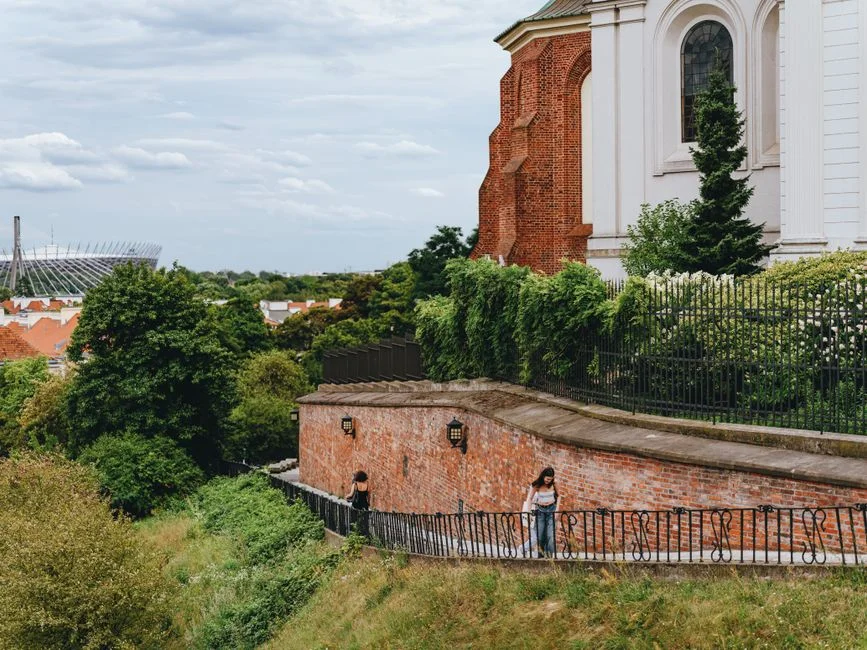
Ademola Lookman started for Nigeria but failed to register a shot on target during his 63 minutes on the pitch. The match attracted approximately 28,000 spectators to the 58,000-seat venue, with a significant Nigerian diaspora contingent in the crowd.
Economic Stakes of Friendly Matches
International friendlies have become increasingly scrutinised for their return on investment. Broadcasting rights for non-competitive matches typically generate a fraction of tournament fees, yet teams like Nigeria rely on such fixtures to maintain FIFA rankings that determine seeding for major competitions.
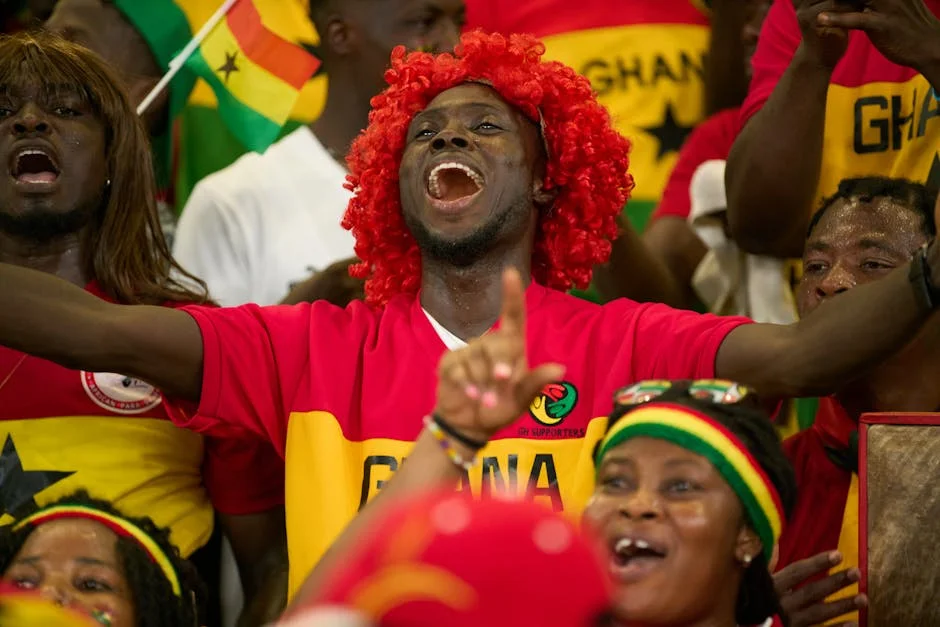
The Nigerian Football Federation allocated significant resources to this European tour, which also included a friendly against Ghana. Travel costs, accommodation, and match appearance fees for Polish opponents represent substantial expenditure for a federation still rebuilding after governance disputes.
Broadcast Revenue and Sponsorship Value
Nigeria's friendly against Poland was broadcast across multiple African territories through the CAF Media channels. However, European friendlies typically command lower rights fees than matches hosted in Africa. The Nigeria Football Federation has previously cited difficulty in attracting premium sponsors without guaranteed competitive fixtures on home soil.
Poland, by contrast, used the match as preparation for UEFA Nations League fixtures, giving the game greater competitive context for the hosts. The discrepancy in preparation priority was evident in the second-half substitutions, where Nigeria's replacements struggled to maintain intensity.
What Nigeria's Defensive Errors Reveal

Coach Eric Chelle's 4-3-3 formation exposed vulnerabilities in the wide defensive positions. The first penalty came from a soft challenge in the box, while the second goal resulted from a communication breakdown between the left-back and central defenders.
Nigeria have now conceded four goals across two friendly matches this month. The defence, marshalled by William Troost-Ekong and Semi Ajayi, lacked the organisation that characterised the Super Eagles' 2026 World Cup qualifying campaign.
Poland's Preparation Paying Dividends
Coach Michał Probierz selected a blend of experienced campaigners and uncapped players. The penalty-winning run came from Kacper Urbański, earning only his third cap. The decision to start Robert Lewandowski was tactical rather than promotional, with the captain playing 71 minutes before being replaced.
Poland sit third in their Nations League group and face Lithuania in their next fixture. The friendly against Nigeria provided valuable minutes for players fighting for squad places in that campaign.
Commercial Considerations for African Football
For South African and broader African audiences, the Nigeria-Poland friendly illustrates the economic challenges facing non-elite national teams seeking high-profile opponents. European nations command appearance fees that can exceed the annual development budgets of some African federations.
Sports economists have noted that the gap between UEFA and CAF members in commercial valuation creates an uneven playing field. While Nigeria's marketability stems from its 200 million-strong population and passionate fanbase, actual earnings from European friendlies rarely cover the full cost of participation.
Looking Ahead
Nigeria return to competitive action in September for World Cup qualifiers against Rwanda and Zimbabwe. Chelle will face pressure to address defensive inconsistencies before those fixtures. The NFF will also need to decide whether to pursue more regional friendly opponents, which offer better commercial terms.
Poland continue their Nations League campaign with matches against Lithuania and Croatia. The victory over Nigeria provided confidence but few definitive answers about the team's long-term direction ahead of the 2026 World Cup.
See Also
- Proteas' Performance Exposed: Player Ratings Reveal Strengths and Weaknesses at T20 World Cup
- Angolan Thriller 'Outgunned' Exposes Child-Hunting Gang: A Reflection on Duty