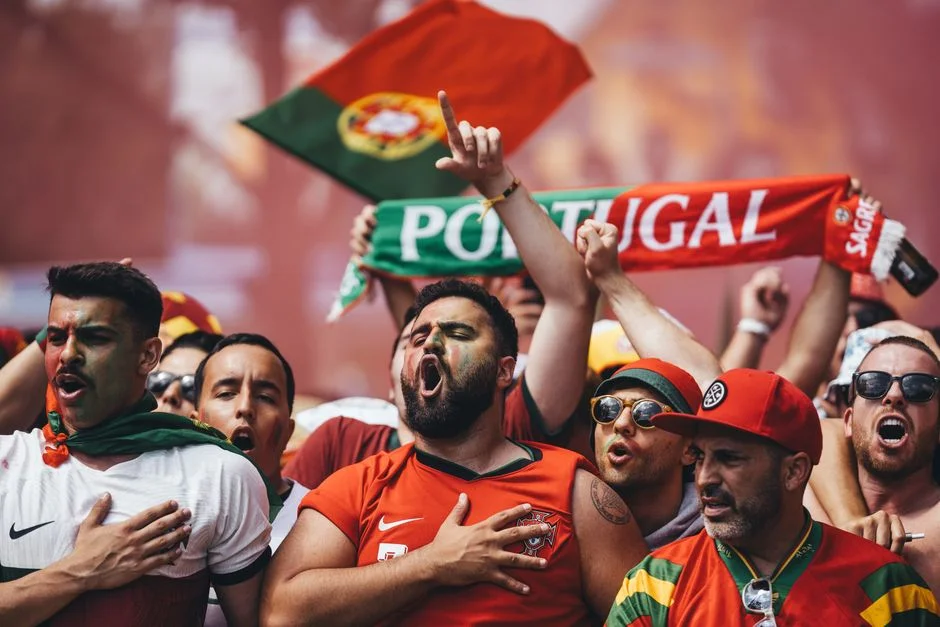
A high-scoring draw between Nigeria and Poland on Wednesday kept Chelle's remarkable unbeaten streak alive, ending 2-2 in a match that drew attention from football fans and sports economists alike. The result preserved the Super Eagles' unbeaten record under the Tunisian coach, who has now guided Nigeria through a series of tough international fixtures without defeat. The match took place against the backdrop of growing investment in African football's commercial potential, where national team performances increasingly translate into measurable economic returns for local businesses.
Chelle Extends Unbeaten Record
The draw means Chelle's unbeaten run as Nigeria's head coach remains intact, a record that has attracted attention from sports analysts monitoring the Super Eagles' trajectory ahead of major competitions. Vanguard News reported the outcome, confirming the 2-2 scoreline and the competitive nature of the encounter with Poland. The Super Eagles have shown resilience throughout this unbeaten spell, with Wednesday's result demonstrating the team's ability to recover points even when trailing. Chelle, who took charge of Nigeria's national team in recent months, has built a reputation for tactical flexibility and strong defensive organisation.
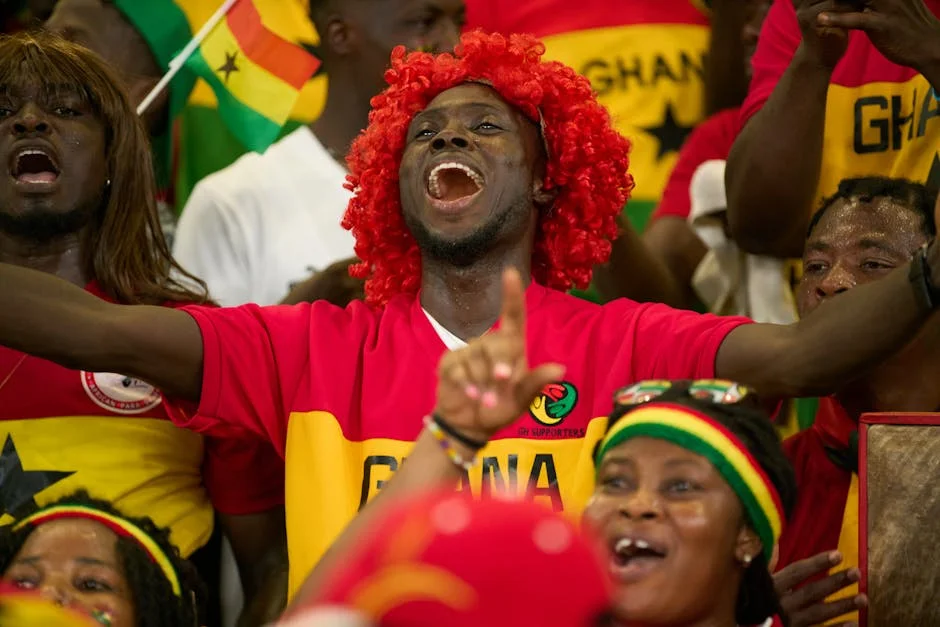
The Nigerian side found themselves level-pegging with Poland at full-time, a result that satisfied neither camp completely but provided valuable preparation for both teams. Poland, a consistent presence in European football, offered Nigeria a useful benchmark against higher-ranked opposition. For Nigerian football administrators, maintaining this unbeaten momentum carries financial implications as well as sporting ones. Sponsors and commercial partners track national team performance closely, with continued success helping to secure better funding deals for the Nigeria Football Federation.
Football's Economic Weight in Nigeria
Sports economists note that international matches like Wednesday's draw generate measurable economic activity across multiple sectors. Hospitality venues in cities hosting Nigerian football events see increased footfall, while sports betting platforms experience heightened transaction volumes during major fixtures. The entertainment value of competitive international football creates ripple effects throughout the economy, supporting jobs from stadium staff to media workers. Nigeria's sports sector has attracted increasing investor interest, with the Nigerian Premier League and national team matches drawing commercial attention from multinational brands seeking African market access.
Broadcasting rights for international football have become a significant revenue stream, with networks competing to secure coverage of high-profile national team matches. Wednesday's draw between Nigeria and Poland contributed to content libraries that platforms leverage for subscriber growth across Sub-Saharan Africa. The match's timing midweek also tested the appetite for live football among working-age viewers, a demographic that advertisers value highly. Economists tracking sports consumption patterns note that strong national team performances correlate with increased viewership and engagement metrics that translate directly into advertising revenue.
Local Business Impact
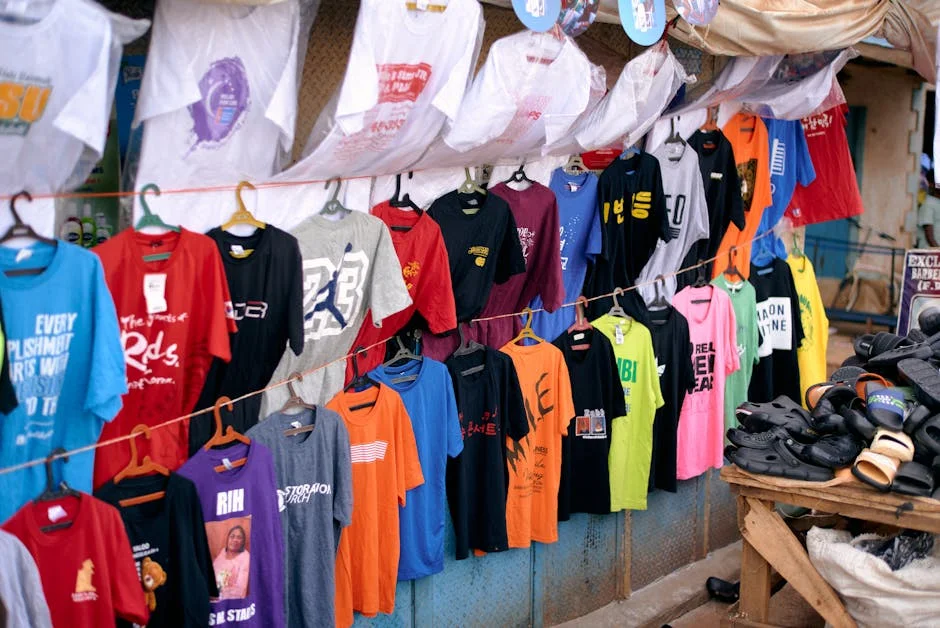
For small businesses in Nigeria's major cities, national team match days create predictable spikes in demand. Viewing centres, bars, and restaurants often fill to capacity during high-profile international fixtures, generating revenue that supports local employment. The 2-2 draw against Poland provided one such opportunity, with entrepreneurs capitalising on fan enthusiasm throughout Wednesday evening. Street vendors selling supporter merchandise also benefit from the increased foot traffic, though the economic gains remain concentrated among those positioned closest to gathering points.
Poland Match Offers Strategic Value

Facing Poland gave Nigeria access to European-level competition that sharpens the Super Eagles' readiness for continental challenges. The Polish national team competes regularly in UEFA qualification tournaments, exposing Nigeria's players to tactical approaches common among top international sides. Chelle has consistently sought these high-level friendly fixtures to prepare his squad for African Cup of Nations qualifiers and World Cup campaigns. The competitive nature of Wednesday's draw suggests both teams approached the match with genuine intent rather than treating it as a low-stakes exhibition.
Nigeria's preparation schedule has prioritised matches against diverse opponents, a strategy that exposes players to different playing styles and tactical systems. Poland's European pedigree provided a useful test of Nigeria's defensive organisation and attacking creativity. The 2-2 scoreline indicates Nigeria found success going forward while sometimes struggling to contain Poland's attacking moves, information Chelle will likely incorporate into future training sessions. This balance between areas of strength and improvement defines the ongoing development of Nigeria's national team under its current coach.
Commercial Partners Monitor Progress
Nigeria's major sports sponsors track unbeaten runs and competitive results as key performance indicators in their partnership agreements. The Super Eagles' continued momentum under Chelle helps maintain the commercial attractiveness of Nigerian football at a time when competing entertainment options vie for viewer attention. Corporate partners investing in Nigerian football expect consistent on-field performance to justify sponsorship expenditure and merchandise licensing arrangements. Wednesday's draw against a respected European opponent supports these commercial relationships without requiring a win to satisfy partner expectations.
The Nigeria Football Federation has pursued a strategy of maximising commercial revenue from national team activities, with match schedules designed to optimise broadcast appeal and sponsor visibility. International friendlies against teams like Poland generate revenue through ticket sales, broadcasting fees, and commercial partnerships that fund football development programmes across the country. Economists note that successful national teams function as economic units, generating returns for stakeholders ranging from professional clubs to grassroots football facilities.
What Comes Next
Nigeria's focus now shifts to upcoming competitive fixtures that will test whether the Super Eagles can maintain their unbeaten trajectory against continental rivals. The schedule ahead includes African Cup of Nations qualifiers that carry direct implications for Nigeria's participation in the tournament proper. Chelle will likely use upcoming training camps to address the defensive vulnerabilities exposed during Wednesday's match against Poland, where Nigeria conceded twice in what was an open, attacking contest.
Investors in Nigerian football-related businesses will watch upcoming results closely, as continued competitive performance supports the sector's growth trajectory. Sports technology companies, broadcasting platforms, and merchandise sellers all benefit from national team success that maintains fan engagement. Wednesday's 2-2 draw bought Nigeria valuable preparation time and maintained the momentum of Chelle's unbeaten run, setting up what promises to be a decisive period for the Super Eagles' international ambitions.
See Also
- NPA Reinstates Corruption Charges Against Joburg Development Agency CEO
- Iran Seeks FIFA Approval to Shift World Cup Matches to Mexico, Embassy Reveals
Commercial Partners Monitor Progress Nigeria's major sports sponsors track unbeaten runs and competitive results as key performance indicators in their partnership agreements. The competitive nature of Wednesday's draw suggests both teams approached the match with genuine intent rather than treating it as a low-stakes exhibition.