Poland's national football team hosts Nigeria in a scheduled friendly encounter that has drawn attention from sports marketing analysts tracking commercial patterns in international football. The match, set to take place at a European venue, brings together two markets with distinct but complementary fan bases across Africa and Europe. Broadcasting executives and sponsorship specialists have flagged the fixture as representative of a broader trend: emerging-market national teams increasingly featuring in high-profile friendlies with European counterparts.
Commercial Logic Behind the Fixture
International friendly matches between European and African teams have become valuable commercial properties in their own right. Networks serving audiences in both regions negotiate broadcasting rights that reflect the combined viewer potential. Nigeria's domestic league and national team enjoy strong support across West Africa, while Poland's European Championship pedigree and star-studded roster attract viewers throughout Central Europe.

Sponsorship agreements tied to these matches often extend beyond pitch-side advertising. Merchandise licensing, digital content rights, and social media engagement metrics all factor into how commercial partners evaluate these fixtures. Industry data suggests friendly matches involving African national teams against European opponents generate sponsorship revenue between two and five times higher than comparable regional friendlies.
What the Head-to-Head Record Shows
Poland and Nigeria have met infrequently in official and friendly fixtures over the past two decades. The head-to-head record reflects the limited nature of previous encounters, with Poland historically enjoying a slight edge in matches played on European soil. However, Nigerian teams have demonstrated growing competitiveness in international friendlies against European opposition, particularly when playing matches designed to prepare for major tournament qualification campaigns.
The statistical profile of these encounters typically shows higher goal counts than competitive qualifiers, a pattern that appeals to broadcasters seeking entertaining content. Sponsors value matches where both teams approach the game with attacking intent, as open play generates more commercial exposure moments across a broadcast.
Football Economics and Market Implications

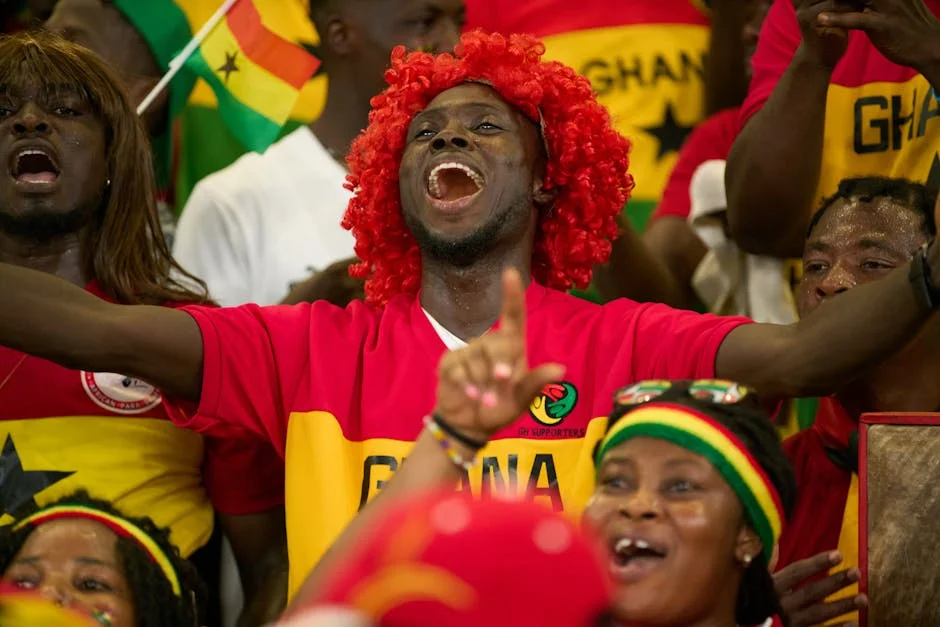
The fixture illustrates how national football teams operate as commercial enterprises beyond their sporting function. Nigerian football officials have pursued a strategy of arranging matches against European opponents partly to increase the market value of broadcast deals and sponsorship packages. Polish football authorities similarly benefit from exposure to African audiences that may translate into commercial partnerships with brands operating across both markets.
Transfer market considerations also play a role in these scheduling decisions. Several Nigerian players currently feature in European leagues, making matches against Poland attractive to scouts and recruitment analysts tracking talent development. The commercial and sporting dimensions of international friendlies remain interconnected, with fixture selection increasingly informed by data on audience demographics and market reach.
Fan Economy and Travel Patterns
Matches between European and African national teams generate notable travel activity, though the specific impact varies based on ticket pricing and visa arrangements. Polish cities hosting these fixtures typically see increased hotel bookings and hospitality sector activity. Nigerian diaspora communities across Europe often organize group travel to support their national team in matches against European opponents, creating predictable demand patterns for accommodation and event services.
Airline partnerships represent another commercial dimension of these fixtures. Carriers operating routes between Nigeria and European hub cities report increased booking activity in the period surrounding scheduled international matches. The fan economy surrounding these encounters extends beyond the immediate match day, with pre-event gatherings and post-match analysis generating sustained engagement across digital platforms.
What Happens Next
Football governing bodies continue to navigate tensions between the commercial value of friendly matches and player welfare concerns raised by clubs employing top talent. The next window for international fixtures will determine whether Poland and Nigeria arrange additional encounters as part of longer-term agreements. Sports marketing analysts expect the commercial framework developed around these matches to inform future scheduling decisions between emerging-market and established football nations.
See Also
- Stormers Sign Cheslin Kolbe — Cape Town’s Economic Boost Is Real
- Outgunned Exposes Child-Hunting Gang in Angola: What It Means for South Africa's Duty Culture