Public health officials in Nigeria are grappling with troubling new data showing that most citizens lack basic knowledge about cholera transmission and prevention. The findings, emerging as the country battles seasonal outbreaks of the waterborne disease, raise questions about the effectiveness of past health campaigns and the country's readiness to contain future epidemics. The survey, conducted across multiple states, suggests that decades of public health messaging have failed to reach large segments of the population.
What the Survey Found
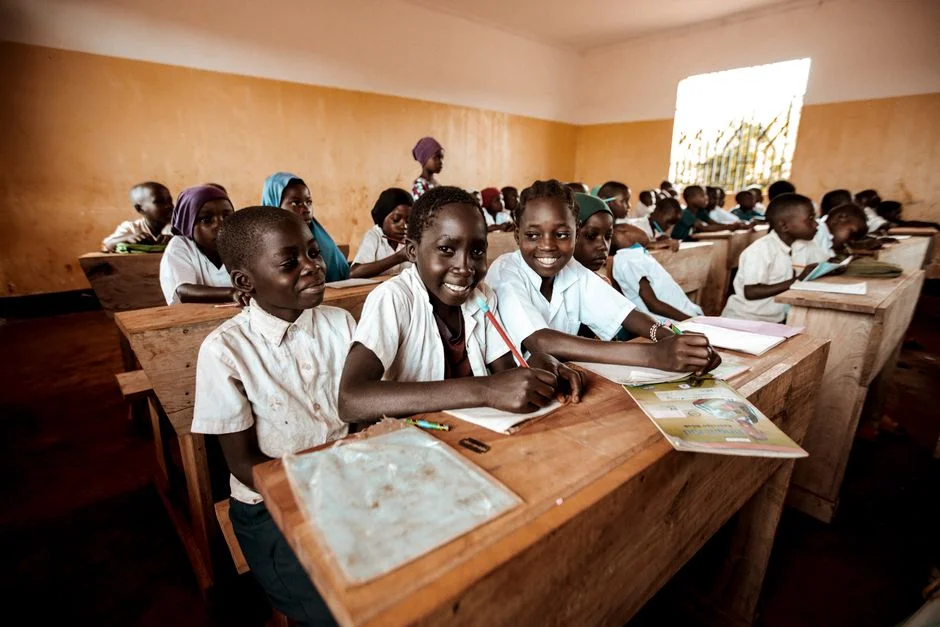
The survey, carried out by health researchers working with local universities, presented respondents with fundamental questions about cholera causes and symptoms. Fewer than half correctly identified contaminated water as the primary transmission route. Even fewer could name rehydration therapy as the first-line treatment, instead believing that antibiotics alone were sufficient. The gaps were particularly pronounced in rural communities, where access to healthcare information remains limited. Researchers noted that knowledge levels varied significantly between northern and southern states, with arid regions showing lower awareness overall.

Regional Disparities in Health Literacy
Data collected from Kano, Lagos, and Rivers states revealed stark contrasts in public understanding. Urban respondents in Lagos demonstrated notably higher awareness, likely due to more consistent exposure to media campaigns and healthcare outreach programmes. Kano respondents, by contrast, showed the lowest correct response rates across most categories. Health workers in rural Sokoto reported that many residents still associate cholera with supernatural causes rather than bacterial infection. These findings align with broader patterns of health literacy disparities that have long challenged Nigeria's public health system.
Economic Consequences of Health Ignorance
The economic implications extend beyond immediate healthcare costs. Businesses operating in areas with low cholera awareness face higher absenteeism rates when outbreaks occur, as workers fail to recognise symptoms early or take appropriate precautions. The hospitality sector, particularly hotels and restaurants in tourist corridors, risks reputational damage when visitors contract the disease. Insurance companies have noted increased claims during outbreak periods, costs that eventually translate into higher premiums for all commercial customers.
Healthcare System Strain

Nigeria's hospitals and clinics bear the heaviest burden when cholera spreads unchecked. Treatment centres in outbreak hotspots report being overwhelmed during peak seasons, forcing staff to prioritise severe cases over preventive counselling. The Ministry of Health allocates substantial resources to emergency responses each year, money that could be redirected toward productive investments if prevention rates improved. Pharmaceutical distributors report surges in demand for oral rehydration salts and intravenous fluids during outbreaks, creating supply chain pressures that affect pricing across the sector.
Investor Confidence at Stake
Multinational companies evaluating Nigeria as a manufacturing or services base factor public health conditions into their location decisions. A country struggling to control preventable diseases signals potential operational risks and higher costs for corporate health insurance programmes. Foreign direct investment inflows have shown sensitivity to health crisis headlines, with some firms citing disease outbreaks as reasons for delaying expansion plans. The International Finance Corporation has warned that weak public health infrastructure can deter investment for years after an epidemic subsides.
Government Response and Funding Questions
The federal Ministry of Health has acknowledged the survey findings and promised to revamp its public awareness strategy. Officials pointed to budget constraints as a limiting factor, noting that health education programmes compete for funding against infrastructure and security priorities. State governments, many of which control their own health budgets, have offered varied responses. Some have announced new outreach initiatives, while others have remained silent on specific plans. The gap between federal commitments and local implementation has long frustrated public health experts.
What Comes Next
Health advocates are calling for a coordinated national campaign that goes beyond traditional media spots. They argue that community leaders, religious institutions, and schools must be mobilised if awareness levels are to shift meaningfully. The approaching rainy season typically brings increased cholera transmission as floodwaters contaminate drinking water sources. Authorities have a narrow window to act before cases begin climbing again. Watch for announcements from the Ministry of Health in the coming weeks regarding funding allocations for the next fiscal year, which will signal whether this survey will drive genuine change or simply become another statistic in the archive of unmet public health goals.
See Also
- South Africa's National Water Amendment Bill Triggers Business Concerns
- Colonel Jacob Rejects R200m Cocaine Theft Role at Madlanga Commission
The Ministry of Health allocates substantial resources to emergency responses each year, money that could be redirected toward productive investments if prevention rates improved. The gap between federal commitments and local implementation has long frustrated public health experts.What Comes NextHealth advocates are calling for a coordinated national campaign that goes beyond traditional media spots.