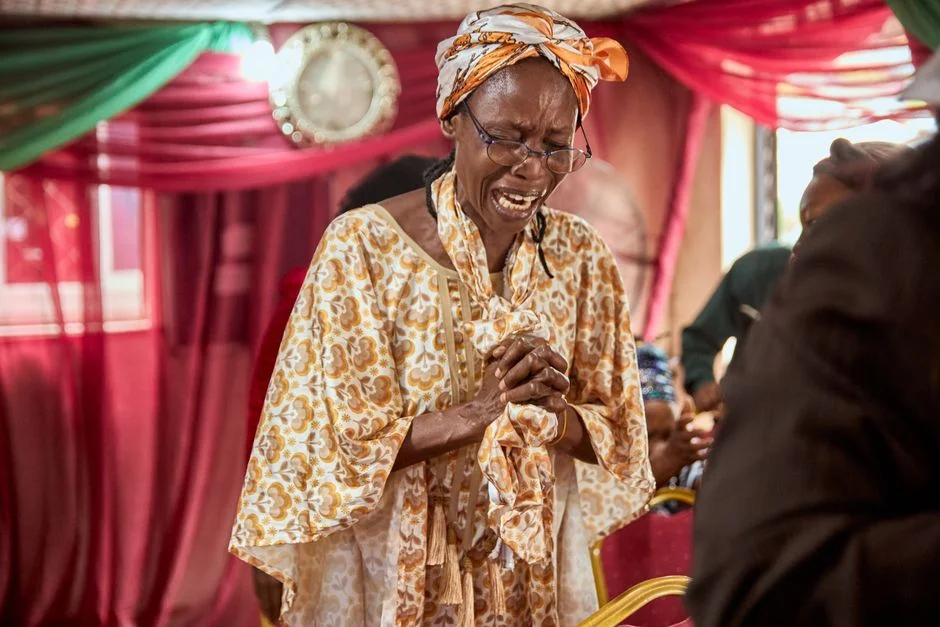
When Maude Ahmad Fadala went into labour near the Sudanese border, there was no clinic nearby. No ambulance. No midwife waiting. She delivered her baby on the side of a dusty road as aid organisations scrambled to address a funding shortfall that has gutted services for thousands of displaced women like her.
UNRWA Faces Deepening Financial Crisis
The United Nations Relief and Works Agency for Palestine Refugees confirmed this week that a combination of delayed donor commitments and sweeping budget reductions has forced the suspension of maternal health programmes across several displacement zones. The cuts, totalling roughly $200 million from the current operational year, have left prenatal clinics shuttered and emergency obstetric services operating with minimal staff.
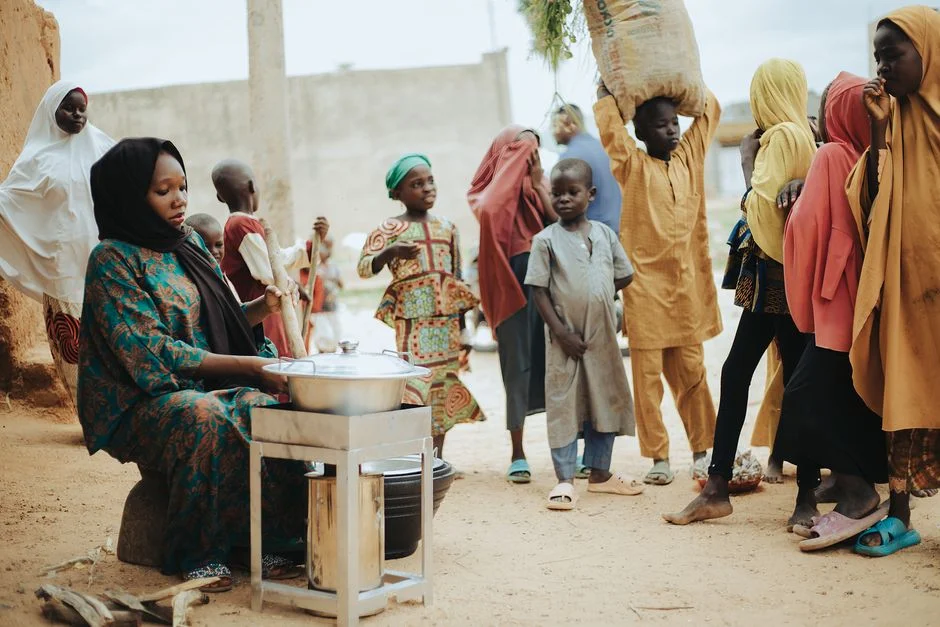
Local partners in the region told reporters that women in their final weeks of pregnancy have been turned away from facilities that can no longer afford supplies or personnel. The agency has not named the specific host countries, citing security concerns, but confirmed operations have scaled back in areas where Palestinian refugee populations remaindensest.
Health Systems Already Strained
The collapse in dedicated funding arrives at a moment when host-country health infrastructure is under severe pressure. Refugees who once relied on specialised UN programmes are now appearing at public hospitals and local clinics, institutions that were already operating beyond capacity.
Governments in the region face a stark choice: absorb the costs of emergency obstetric care into public health budgets already stretched thin by inflation, or turn away patients who have nowhere else to go. Neither option comes cheap. Emergency births without proper prenatal monitoring carry significantly higher rates of complications, driving up the cost per patient for hospitals and aid groups alike.
Market Implications for Humanitarian Suppliers
For companies supplying medical equipment, pharmaceuticals, and disposable goods to UN agencies and NGO consortia, the funding crunch translates into delayed payments and cancelled purchase orders. Several multinational suppliers have reported pushing back expansion plans in affected regions as uncertainty over future contracts mounts. Smaller regional vendors, who often operate on narrow margins and depend on steady orders from aid bodies, face an acute liquidity squeeze.
The humanitarian procurement market, valued at an estimated $30 billion globally, shows early signs of contraction in non-food relief categories. Analysts tracking government development-assistance budgets say the trend may accelerate if donor nations continue to redirect official aid toward domestic priorities.
Donor Fatigue Compounds the Problem


Three major donor governments have reduced their voluntary contributions to UNRWA since the start of the fiscal year, citing competing demands on public finances. The reductions come even as the number of registered refugees in need of assistance has climbed to its highest point in a decade. The gap between available resources and actual need has widened to a point where agencies can no longer maintain even a skeletal level of services across all locations.
International NGOs working alongside UN bodies say the cascading effect is predictable but no less alarming. When one actor scales back, others inherit the caseload without a corresponding increase in funding. The result is a slow-motion breakdown of coordinated response capacity.
What Comes Next
A donor coordination conference scheduled for the coming weeks will attempt to restore commitments for the next funding cycle. Officials close to the talks say the outcome remains uncertain, with several key delegations yet to confirm their level of pledges.
For aid groups on the ground, the immediate concern is the current season. Women like Maude Ahmad Fadala are not waiting for funding negotiations to conclude. Maternity wards that closed last month will not reopen automatically when money arrives. The backlog of unmet need continues to grow with every passing day.
See Also
- Haven Night Shelter Opens District Six Sleeping Zone — What Changes for Cape Town Businesses
- Medic Orders Wife to Clean Blood-Stained Ambulance — Raises Ethical Concerns
Analysts tracking government development-assistance budgets say the trend may accelerate if donor nations continue to redirect official aid toward domestic priorities.Donor Fatigue Compounds the ProblemThree major donor governments have reduced their voluntary contributions to UNRWA since the start of the fiscal year, citing competing demands on public finances. Officials close to the talks say the outcome remains uncertain, with several key delegations yet to confirm their level of pledges.For aid groups on the ground, the immediate concern is the current season.