South Africa's Minister of Mineral Resources and Energy, Gwede Mantashe, announced a boost in free electricity provision for over 800,000 households as part of a comprehensive reassessment of the country's energy policy. This initiative, revealed on October 10, aims to alleviate the burden on financially strained citizens amid an ongoing energy crisis that has plagued the nation.
Details of the Electricity Initiative
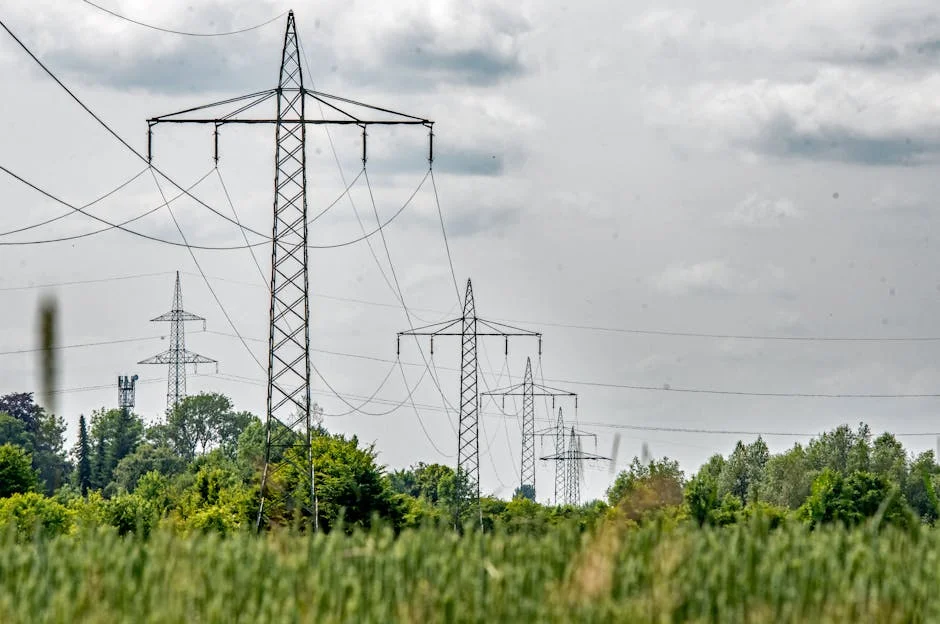
The initiative will allow qualifying households to receive increased free electricity units each month, a measure designed to mitigate the effects of rolling blackouts that have persisted in South Africa due to underinvestment in infrastructure and mismanagement of state-owned utilities like Eskom. Under the new policy, eligible households will receive 100 kWh per month, a significant increase from the previous allocation of 50 kWh.
This policy change could result in a total financial relief of up to R500 million annually for the affected households, improving their standard of living and potentially stimulating local economies as residents have more disposable income to spend on goods and services.
Economic Analysis of Free Electricity Provision
Market analysts are closely monitoring the economic implications of this announcement. The increased provision of free electricity may lead to a short-term boost in consumer spending as households free up resources previously allocated for energy costs. However, others caution that this could also place additional strain on Eskom's already beleaguered financial status.
With Eskom facing debts exceeding R400 billion, some analysts warn that increased free allocations could exacerbate the utility's fiscal challenges, potentially leading to higher energy tariffs in the future as the government seeks to maintain financial stability.
Investor Implications and Market Reactions

Investors are reacting cautiously to the news, with shares of companies reliant on stable electricity supply experiencing fluctuations. Energy stocks showed some upward movement following the announcement, though concerns remain about the long-term sustainability of Eskom's financial health. This uncertainty in the energy market could deter new investments unless clear strategies are outlined to address Eskom's debts and infrastructure issues.
Those investing in sectors such as renewables and energy efficiency may see opportunities arising from this initiative. As the government urges a transition to sustainable energy sources, businesses in these sectors might experience growth as more households consider alternatives to their electricity supply.
Political Context and Future Developments
The announcement aligns with broader political discussions about energy reform in South Africa, particularly in the wake of numerous protests against load shedding and rising electricity costs. Political analysts note that this move comes as the ruling African National Congress (ANC) faces pressure to respond to public discontent.
In 2024, South Africa will hold elections, and the effectiveness of this electricity policy could influence voter sentiment significantly. If citizens perceive tangible benefits from the increased electricity provision, it may improve the ANC's standing ahead of the polls.
What to Watch Next
Looking ahead, stakeholders should monitor how the increased electricity allocation impacts Eskom's operations and overall economic performance in South Africa. The government’s ability to balance consumer relief with Eskom’s financial health will be critical as future policies are implemented.
Upcoming energy policy discussions scheduled for early November could provide further clarity on the government's strategy to revitalize the energy sector, addressing both current challenges and long-term sustainability goals. Investors and businesses should prepare for potential shifts in policy that could affect market dynamics and operational costs across various sectors.
Political analysts note that this move comes as the ruling African National Congress (ANC) faces pressure to respond to public discontent.In 2024, South Africa will hold elections, and the effectiveness of this electricity policy could influence voter sentiment significantly. If citizens perceive tangible benefits from the increased electricity provision, it may improve the ANC's standing ahead of the polls.What to Watch NextLooking ahead, stakeholders should monitor how the increased electricity allocation impacts Eskom's operations and overall economic performance in South Africa.