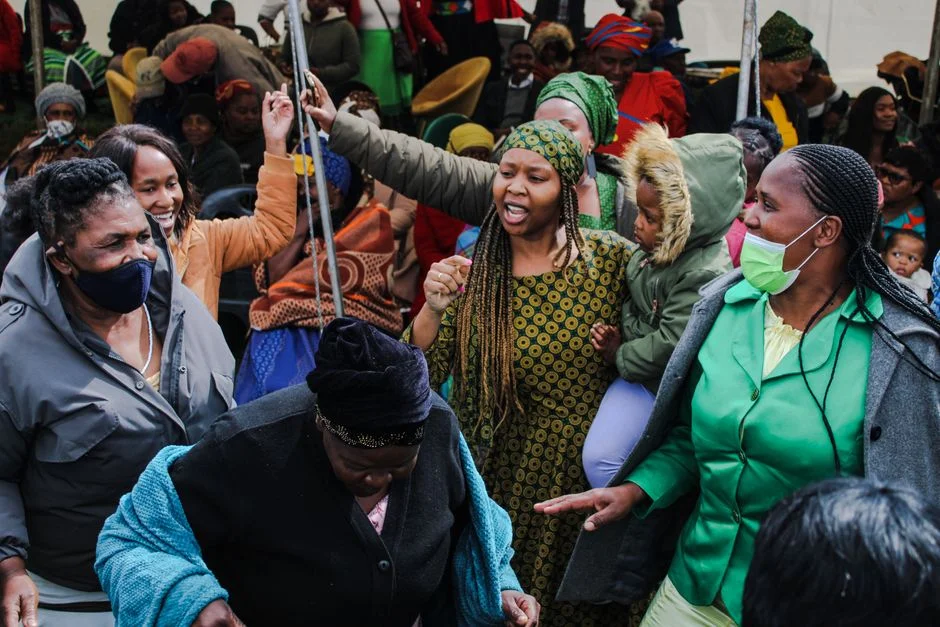
A recent report from the African Union highlights the continent's alarming unpreparedness for future pandemics, revealing that only 23% of African countries have robust health systems in place. This statistic raises pressing concerns about not just Africa, but the entire globe's ability to respond effectively to a health crisis.
The African Union's Warning
On Monday, the African Union's Centre for Disease Control and Prevention (Africa CDC) issued a stark warning regarding the region's vulnerability to pandemics. With the COVID-19 pandemic still affecting economies and healthcare systems, the need for strategic frameworks has never been clearer. The report emphasises that many countries, including South Africa, lack adequate infrastructure and funding to respond to health emergencies.
During a press conference, Dr. John Nkengasong, Director of Africa CDC, stated, "The threat of future pandemics remains high, and our current state of preparedness is dangerously inadequate. Countries need to invest in healthcare, not just for the present but for the future of their economies and societies."
Economic Implications for South Africa
The economic repercussions of inadequate pandemic preparedness are already being felt across South Africa. The country's GDP shrank by 7% in 2020 due to COVID-19, signalling a severe impact on businesses and investments. Many South African companies are now struggling to recover as they face recurrent lockdowns and supply chain disruptions.
Furthermore, the risk of another pandemic could dissuade foreign investors from entering the market. The lack of a robust healthcare system poses a threat to potential returns on investment, which could stall economic growth in an essential emerging market.
Current State of Global Preparedness
Globally, the World Health Organization (WHO) reported that only 40% of countries have operational health emergency response plans. This figure is concerning, given the interconnected nature of today's world. While many nations ramped up their health infrastructure in response to COVID-19, substantial gaps remain, particularly in low- and middle-income countries.
Countries like South Africa can no longer afford to ignore these risks. As markets are increasingly interconnected, a failure to respond to health crises anywhere can lead to global economic downturns, affecting trade and investment flows.
Investment Perspectives and Market Reactions
Investors are becoming more aware of the risks associated with health crises. In recent months, healthcare stocks have gained traction, while sectors heavily reliant on global supply chains have seen increased volatility. The stock market response to pandemic-related news has been significant, sharply impacting sectors like tourism and retail.
Analysts suggest that companies must now factor in pandemic risks into their business models. The need for diversification and resilience in supply chains is more critical than ever, pushing businesses to adapt quickly to changing circumstances.
What Is Being Done?
Various initiatives are underway to bolster pandemic preparedness. The African Union aims to increase funding for health systems across the continent, targeting a 50% increase in health budgets by 2025. These efforts are intended to improve the infrastructure necessary for rapid response to health emergencies.
Moreover, international collaborations are being formed to enhance research and development in vaccine technology and distribution, which is crucial for future pandemic responses. Countries are being urged to share their vaccine supplies and technology to facilitate wider access.
Looking Ahead: What to Watch
As Africa and the world grapple with the implications of the pandemic, businesses and investors should keep an eye on upcoming policy changes aimed at improving health infrastructure. The African Union’s health funding goals, set for 2025, will be crucial for South Africa's economic recovery.
Moreover, stakeholders should monitor developments in international collaborations for vaccine distribution and global health strategies. Understanding these dynamics will be essential for navigating the market landscape as the world prepares for potential future health crises.