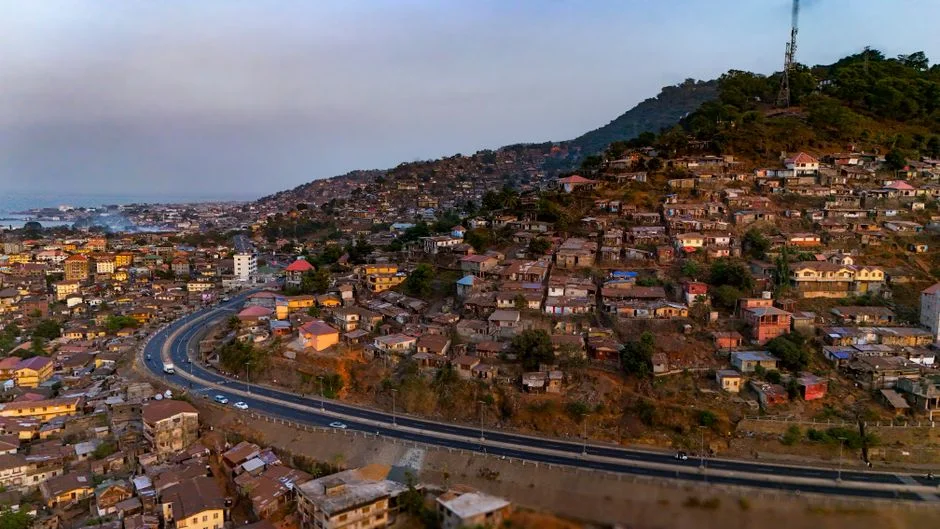
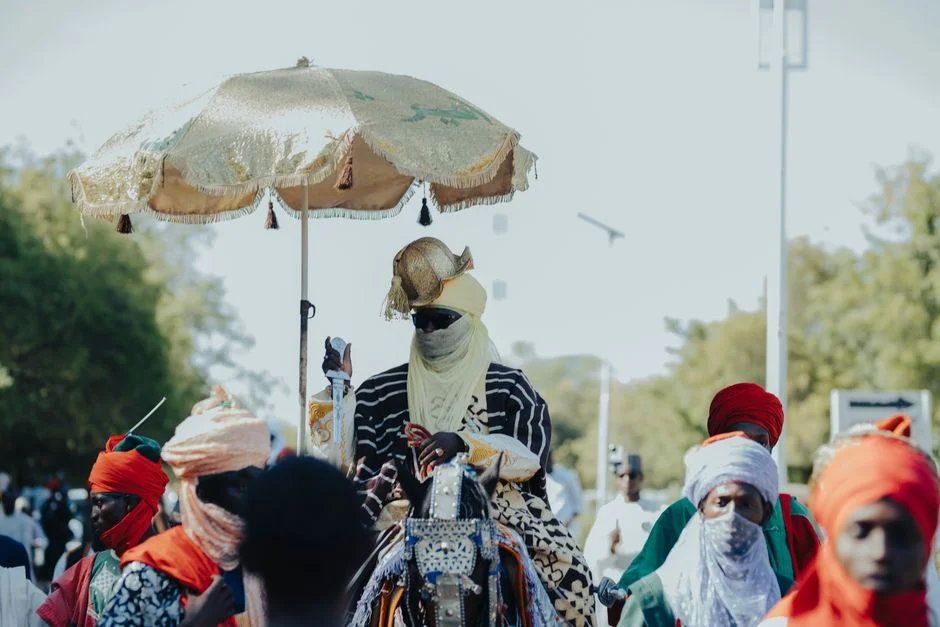
Prime Minister Abiy Ahmed's government has announced that the Tigray region will not participate in the upcoming 2026 elections, a decision that has sent ripples through Ethiopia's political landscape and economy. This move comes as tensions remain high in the region, which has been recovering from a brutal conflict that lasted from late 2020 to late 2022.
Exclusion Raises Concerns over Stability
The exclusion of Tigray from the electoral process raises significant questions about national unity and stability in Ethiopia. Tigray's Prosperity Party, which was previously part of the national political framework, has been sidelined in favour of Abiy Ahmed's ruling coalition. With Tigrayans accounting for about 6% of Ethiopia's population, their absence from the elections could impact the legitimacy of the political process and foster discontent.
Market Reactions and Economic Implications
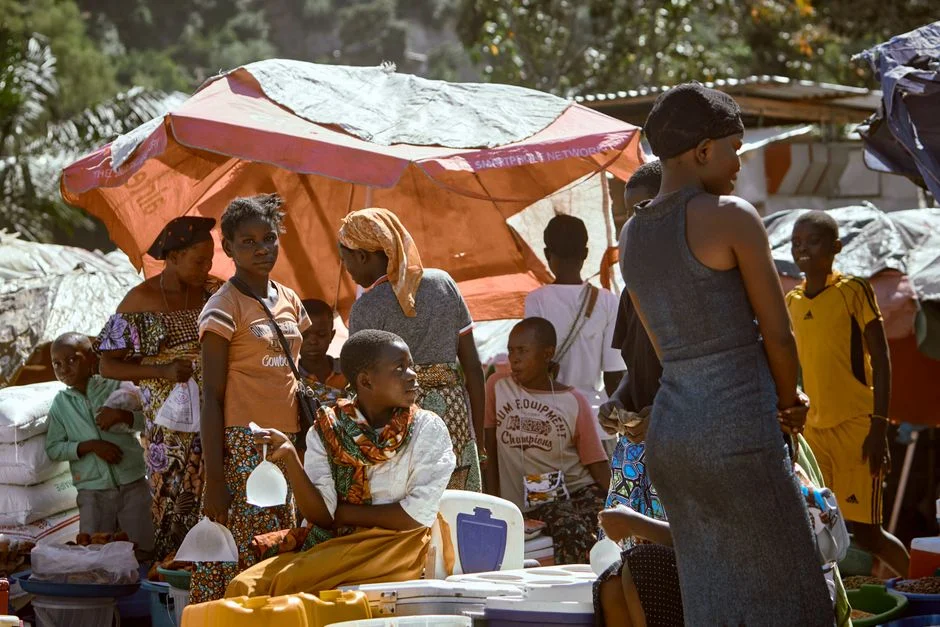
Markets have reacted cautiously to the electoral changes. Following the announcement, Ethiopian stocks showed signs of volatility, indicative of investor anxiety. The Ethiopian birr also depreciated slightly against the US dollar, now trading at approximately 55.20 birr to one dollar. Investors are particularly wary of potential unrest and the economic instability that could follow the elections.
Business Climate Under Threat


The exclusion of Tigray from the elections could have direct implications for businesses operating in Ethiopia. Many companies, both local and international, may reconsider their investments in the country as political tensions escalate. The business environment, which had started to recover post-conflict, now hangs by a thread, threatening both local entrepreneurship and foreign direct investment.
Impact on Foreign Investment
Foreign investors are particularly concerned about the stability of their investments in Ethiopia. The ongoing uncertainty implies that companies may delay expansion plans or withdraw entirely, impacting job creation and economic growth. Over the last decade, the country has seen significant foreign investments, particularly in construction and manufacturing, which are crucial for Ethiopia's development goals.
Public Sentiment and Prospects for Change
Public sentiment is increasingly divided as Abiy Ahmed faces criticism from various factions, including human rights groups and opposition parties. Concerns have risen about the potential for renewed violence in Tigray and other regions, which could further destabilize the economy. The government must address these issues to avoid deepening an already fragile situation.
What’s Next for Ethiopia?
Looking ahead, the Ethiopian government needs to find a way to engage with Tigrayan leaders and incorporate their voices into the political discourse. The 2026 elections will not only be a test for the Prosperity Party but also for Ethiopia's democratic credentials in the eyes of the international community. Stakeholders must monitor developments closely as the election date approaches to understand the evolving political landscape.
A Call to Action for Stakeholders
As Ethiopia stands on the brink of critical elections, businesses, investors, and policymakers must stay vigilant. The next months could define the future of not only the political structure but also the economic stability of the region. The international community should advocate for an inclusive approach to the electoral process and encourage dialogue among all factions to prevent further turmoil.
See Also
- Ramakgopa Demands Clarity on Eskom Debt — What’s Next for Johannesburg’s Economy?
- Swinney Slams Racism as Key Driver Behind Reform’s Rise
Over the last decade, the country has seen significant foreign investments, particularly in construction and manufacturing, which are crucial for Ethiopia's development goals.Public Sentiment and Prospects for ChangePublic sentiment is increasingly divided as Abiy Ahmed faces criticism from various factions, including human rights groups and opposition parties. The ongoing uncertainty implies that companies may delay expansion plans or withdraw entirely, impacting job creation and economic growth.
What is the latest news about ethiopia excludes tigray from 2026 elections businesses brace for impact?
Why does this matter for politics-governance?
What are the key facts about ethiopia excludes tigray from 2026 elections businesses brace for impact?