As South Africa embraces automation in logistics, smart warehouses are increasingly integrating advanced technologies. However, businesses are discovering that human workers are still crucial for operations. This dynamic raises important questions about the future of employment and productivity in the sector.
The Rise of Automation in South Africa
In recent years, the logistics sector in South Africa has seen a significant shift towards automation. According to the South African Logistics and Supply Chain sector report, the market is projected to grow at an annual rate of 7.8%, reaching a value of $4.2 billion by 2025. Companies are investing heavily in robotics, artificial intelligence, and machine learning to streamline their operations.
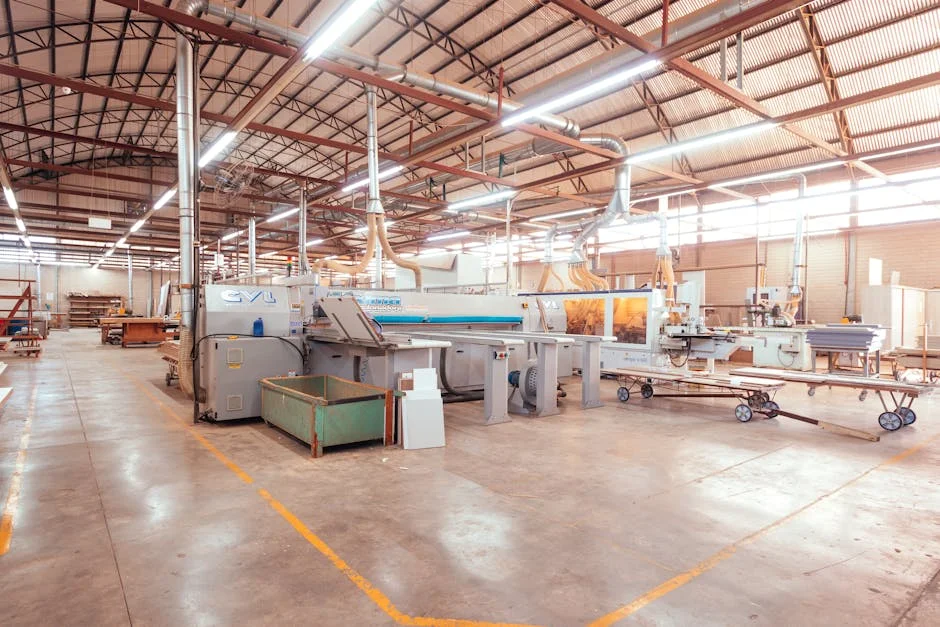
Major players in the industry, like Bidvest, have begun implementing automated systems to enhance efficiency. These systems can manage inventory, track shipments, and process orders faster than ever before, leading to decreased costs and improved service delivery.
Why Human Workers Are Still Needed
Despite the growing presence of technology in warehouses, human staff members continue to play a vital role. A recent study by the University of Cape Town found that while automation can handle repetitive tasks, human oversight is necessary to manage exceptions and complex problem-solving scenarios. About 40% of logistics professionals believe that the human touch is irreplaceable, particularly in areas like customer service and quality control.
Moreover, employees bring a level of adaptability that machines lack. When unexpected issues arise, having skilled workers available to react quickly can prevent logistical disruptions, ensuring smooth operations.
Market Reactions and Business Implications


The dual reliance on technology and human labour is changing the investment landscape in South Africa. Investors are increasingly looking for companies that can blend automation with a strong workforce. The trend suggests that businesses focusing solely on technology might struggle to compete in a market that values human connection and adaptability.
Furthermore, companies that fail to balance automation with staffing needs risk facing backlash from consumers demanding quality service. This has led to a growing emphasis among businesses to retrain their workforce, ensuring employees can work alongside automated systems effectively.
Investment Perspective: Opportunities and Risks
From an investment standpoint, the logistics sector presents a mixed bag of opportunities and risks. With projections indicating a steady growth trajectory, investors might be tempted to pour funds into automated solutions. However, they must also consider the value of investing in workforce development to ensure long-term success.
Startups that focus on training and upskilling employees to work alongside automation are likely to attract attention from venture capitalists. These companies can offer a promising solution to bridging the gap between technology and human labour, creating a more robust logistics framework.
Future Trends to Watch
As South Africa continues to navigate the complexities of automated and human contributions in the logistics sector, several trends are emerging. Companies are beginning to invest more in hybrid systems, integrating both machines and skilled workers for a more comprehensive approach.
Additionally, the government's initiatives to support skills development in the workforce could shape the future of the industry. The Department of Trade, Industry and Competition has launched programmes aimed at equipping the workforce with the necessary skills to thrive amidst advancing technology. These initiatives will be crucial in determining how South Africa’s logistics landscape evolves.
Conclusion: What Lies Ahead
The balance between automation and human workforce in South Africa's warehouses is a developing narrative that warrants attention. As investors and businesses look to the future, they must be prepared to adapt their strategies. In the coming months, focus should turn to initiatives and policies aiming to bridge the skills gap, ensuring the logistics sector remains competitive and efficient.
Frequently Asked Questions
What is the latest news about south africas smart warehouses demand human staff heres why?
As South Africa embraces automation in logistics, smart warehouses are increasingly integrating advanced technologies.
Why does this matter for technology-innovation?
This dynamic raises important questions about the future of employment and productivity in the sector.The Rise of Automation in South AfricaIn recent years, the logistics sector in South Africa has seen a significant shift towards automation.
What are the key facts about south africas smart warehouses demand human staff heres why?
Companies are investing heavily in robotics, artificial intelligence, and machine learning to streamline their operations.Major players in the industry, like Bidvest, have begun implementing automated systems to enhance efficiency.
The trend suggests that businesses focusing solely on technology might struggle to compete in a market that values human connection and adaptability.Furthermore, companies that fail to balance automation with staffing needs risk facing backlash from consumers demanding quality service. These companies can offer a promising solution to bridging the gap between technology and human labour, creating a more robust logistics framework.Future Trends to WatchAs South Africa continues to navigate the complexities of automated and human contributions in the logistics sector, several trends are emerging.