The BOOT Party has issued a scathing critique of President Bola Tinubu's handling of security in Nigeria, particularly following a recent kidnapping incident in Oyo State that left citizens outraged. The party's statement comes three years into Tinubu's administration, marking a period that many argue has seen a deterioration in public safety and investor confidence.
Kidnapping Incident in Oyo Sparks Outrage
On Sunday, a group of armed men abducted several individuals in Oyo State, one of Nigeria's most populous regions, as families prepared for the upcoming festival season. Reports indicate that at least four people are still unaccounted for, prompting a wave of anxiety among residents. This incident is part of a broader trend, with kidnap-for-ransom incidents increasing by over 30% in the past year alone, exacerbating fears about personal safety and economic stability.
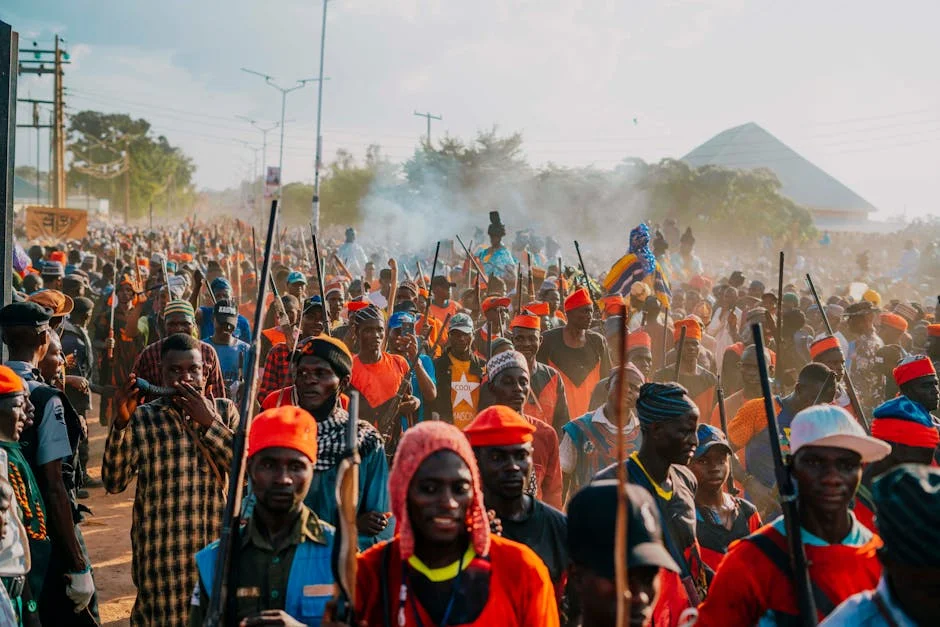
The BOOT Party, led by Gabriel Ewepu, condemned the government's failure to secure the region, stating that the Tinubu administration has prioritised political manoeuvring over the safety of ordinary Nigerians. "This administration has created an environment where citizens live in constant fear, and investors are pulling back," Ewepu said. The rising crime rates are expected to strain local businesses and dampen foreign investment, which is critical for Nigeria's economic recovery.
Economic Ramifications of Deteriorating Security
The kidnapping crisis presents immediate challenges for businesses trying to operate in Nigeria, especially in affected regions like Oyo. Companies face increasing costs of security measures, which eat into profit margins. The uncertainty caused by violent crime also discourages potential investments, forcing businesses to reconsider their strategies and possibly divest from high-risk areas.
Market reactions have been swift. According to recent data, Nigeria's stocks fell by 2% following the announcement of the Oyo kidnappings, reflecting investor concerns about the viability of operations in such an unstable environment. Additionally, the Naira has weakened against the dollar, driven down by fears that escalating violence could lead to decreased economic activity and deter foreign capital.
Public Response and Political Implications


Public sentiment towards President Tinubu's administration is shifting, with growing discontent among Nigerians who expect effective governance and safety. His approval ratings are reportedly at their lowest since taking office, with critics highlighting the government's inability to address security effectively. In a country where over 60% of residents believe that kidnapping has worsened since Tinubu assumed the presidency, the political stakes are high.
Furthermore, local communities are mobilising to demand action. Grassroots movements are forming, calling for enhanced security measures and holding the government accountable for the failures that have led to an unstable environment. This mounting pressure could lead to significant political changes in the upcoming elections, as citizens seek a more responsive leadership.
Future Outlook: What Lies Ahead
Looking ahead, the Tinubu administration faces critical challenges to restore confidence among both citizens and investors. Effective strategies must be implemented to combat the rising tide of crime, particularly in Oyo and similar regions. Investors will be closely monitoring the government's response to the kidnapping crisis; failure to act decisively could result in a continued decline in foreign investments.
As Nigeria stands at a crossroads, the upcoming months will be crucial. Key decisions regarding security policy, budget allocations for law enforcement, and diplomatic relations will shape the economic landscape. The government’s capacity to respond effectively will determine whether the current climate can be transformed into one of stability and growth.
See Also
- Dangote Warns Nigeria Faces Work-From-Home Crisis Over Iran Conflict
- DA Impeachment Move Triggers Market Jitters Over Phala Phala