South African President Cyril Ramaphosa has launched a legal challenge to the findings of an Independent Panel report regarding the Phala Phala scandal. The court bid, filed this past Tuesday, aims to overturn the panel's conclusions, asserting that they are unfounded and politically motivated.
Understanding the Phala Phala Controversy
The Phala Phala scandal revolves around an incident in February 2020, where Ramaphosa was accused of mishandling a robbery at his game farm in Limpopo Province. Reports allege that large sums of cash, estimated at $4 million, were stolen, leading to scrutiny of how the president declared the incident and the subsequent handling of the matter. These allegations have raised questions regarding Ramaphosa's transparency and ethics as a leader.

Ramaphosa's Five Claims Against the Independent Panel
In his court documents, Ramaphosa presents five key claims aimed at dismantling the Independent Panel's report. Firstly, he contests the legitimacy of the panel's composition, arguing that its members were biased. Secondly, he claims that the panel misinterpreted the evidence presented during its investigation.
Thirdly, Ramaphosa argues that the panel overstepped its mandate, venturing beyond its intended scope. The fourth claim focuses on procedural issues, asserting that the panel failed to adhere to proper protocol during its investigation. Finally, he states that the report's conclusions unduly affect his standing as a leader and could have far-reaching implications for South Africa.
The Economic and Business Implications


The ongoing controversy surrounding Phala Phala has implications that extend beyond politics. Investors are closely monitoring the situation as the stability of Ramaphosa's presidency directly influences South Africa's economic climate. A prolonged legal battle could further increase uncertainty in the market, potentially deterring foreign investment.
Additionally, businesses are feeling the effects of the political drama. Many companies are concerned about the impact of political instability on regulatory policies and economic reforms. As confidence dwindles, companies may delay investments, forecasting a slowdown in growth.
Market Reactions to the Legal Challenge
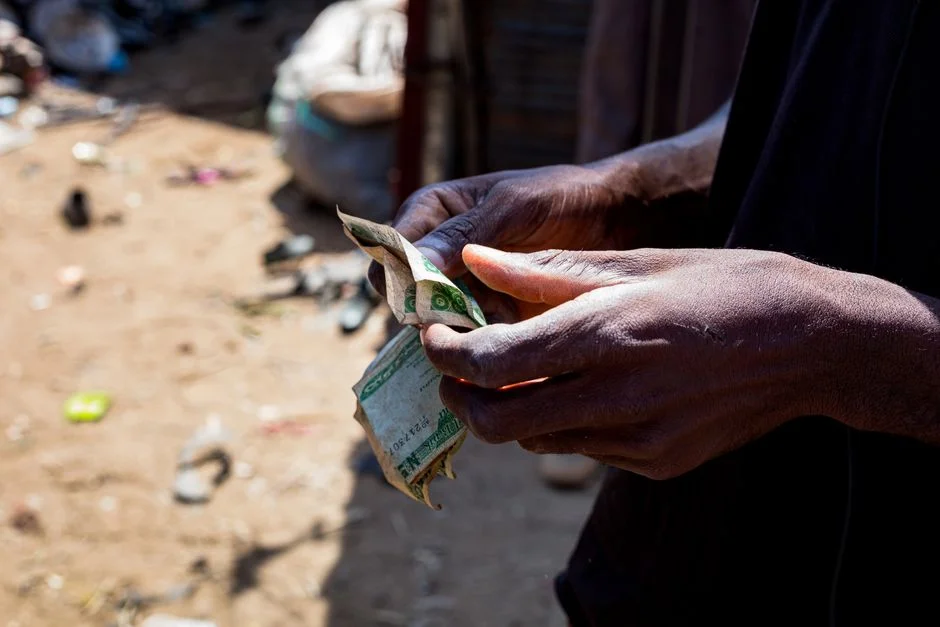
Upon hearing of Ramaphosa's legal challenge, the South African rand exhibited volatility, dropping by 0.8% against the US dollar. Analysts suggest that such fluctuations indicate a growing unease among investors regarding the political stability of the nation. South African stocks also faced downward pressure, reflecting investor concerns over the potential ramifications of the court's decision.
The Role of the Independent Panel
The Independent Panel plays a crucial role in investigating allegations against the president, gathering and interpreting evidence to draw conclusions. Established by the National Assembly, it aims to ensure accountability in government. However, its work has sparked debate over its impartiality and the political implications of its findings.
As South Africa navigates these turbulent waters, the response from the political sphere will be vital. Ramaphosa's ability to successfully challenge the report may influence both his political future and the overall economic stability of the country.
What to Watch Next
The court's decision on Ramaphosa's challenge is expected within weeks. This will be a pivotal moment for South Africa, as the implications of the ruling could reverberate through the economy, affecting markets, businesses, and investor sentiment. Additionally, the response from other political leaders will be crucial in shaping the narrative surrounding the Phala Phala controversy and its aftermath.
See Also
- Hegseth Warns Iran Conflict Looms as U.S. Readies Combat Response
- Cachalia’s Security Push Triggers Market Jitters Over Political Stability
Analysts suggest that such fluctuations indicate a growing unease among investors regarding the political stability of the nation. Many companies are concerned about the impact of political instability on regulatory policies and economic reforms.
What is the latest news about ramaphosa challenges phala phala report five key claims unveiled?
Why does this matter for politics-governance?
What are the key facts about ramaphosa challenges phala phala report five key claims unveiled?