South African authorities have deployed a heavy security presence at Kruger National Park to protect ministers attending the upcoming Southern African Development Community (SADC) summit. The move signals a critical moment for the region's economic integration, as leaders gather to discuss trade barriers and infrastructure projects that directly impact cross-border commerce. Investors are watching closely to see if the logistical execution of the summit translates into tangible policy reforms for the Johannesburg Stock Exchange-listed tourism and logistics firms.
Security Protocol and Economic Signaling
The decision to host the SADC ministerial meeting at Kruger National Park, rather than a traditional urban venue like Johannesburg or Pretoria, carries distinct economic implications. The South African Department of Foreign Affairs and International Trade coordinated with the South African Police Service to implement a multi-layered security grid. This grid covers the main access roads and key lodges within the park’s boundaries. Such a deployment requires significant budget allocation, drawing resources from other precincts and highlighting the government’s priority on regional diplomacy.
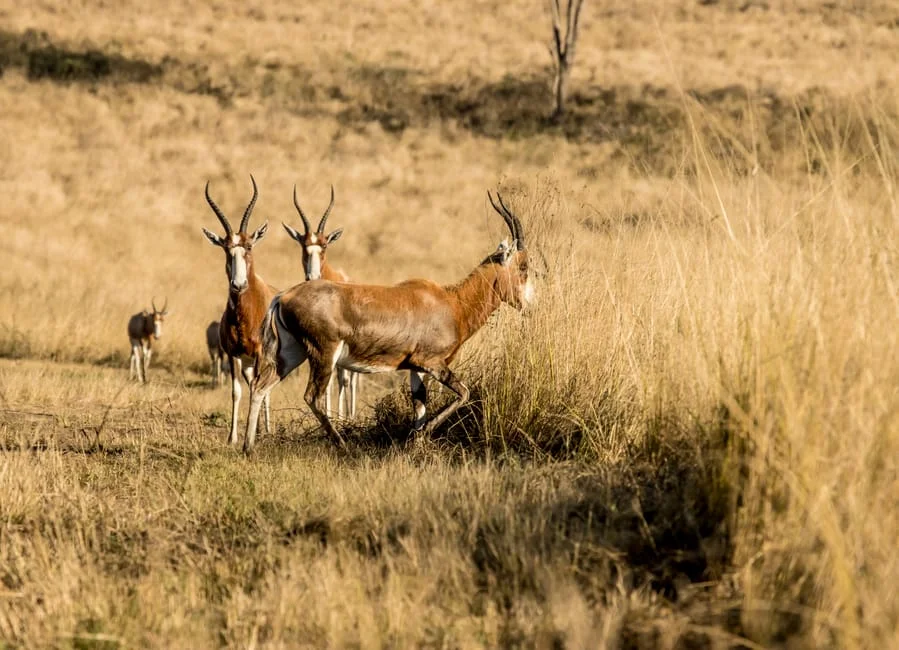
For the local economy in the Lowveld region, this influx of high-level officials brings immediate, albeit short-term, revenue. Hotels and transport operators in Nelspruit and Skukuza have seen occupancy rates surge in anticipation of the delegates’ arrival. However, the broader market reaction depends on whether this visible security investment translates into long-term stability. A stable political environment is a prerequisite for foreign direct investment in Southern Africa, particularly in the mining and renewable energy sectors that dominate the regional GDP.
Impact on Local Tourism Businesses
The presence of ministers and their entourages creates a ripple effect through the local hospitality supply chain. Small businesses in the surrounding municipalities benefit from the increased footfall, but they also face operational challenges. Road closures and restricted access to certain park areas can disrupt the experience for regular tourists, potentially affecting repeat visitation rates. The South African Tourism board has worked to mitigate these disruptions by issuing detailed itineraries for both delegates and the general public.
Market analysts suggest that the success of this event will be measured not just by the diplomatic outcomes but by the perceived efficiency of the host nation. If the security operations run smoothly, it serves as a confidence booster for international investors who view South Africa as a gateway to the African Continental Free Trade Area. Conversely, any logistical failures could amplify existing concerns about infrastructure decay and administrative capacity, potentially dampening investor sentiment on the JSE.
Trade Agreements and Market Access
The primary agenda for the SADC ministers includes reviewing the Common External Tariff and addressing non-tariff barriers that hinder intra-regional trade. These discussions are vital for South African exporters who rely on the region as a primary market for manufactured goods and agricultural products. The World Bank has previously noted that reducing these barriers could boost SADC’s GDP by up to 15% over the next decade. Therefore, the commitments made in Kruger will have direct consequences for the earnings forecasts of major conglomerates like Naspers and Steinhoff.
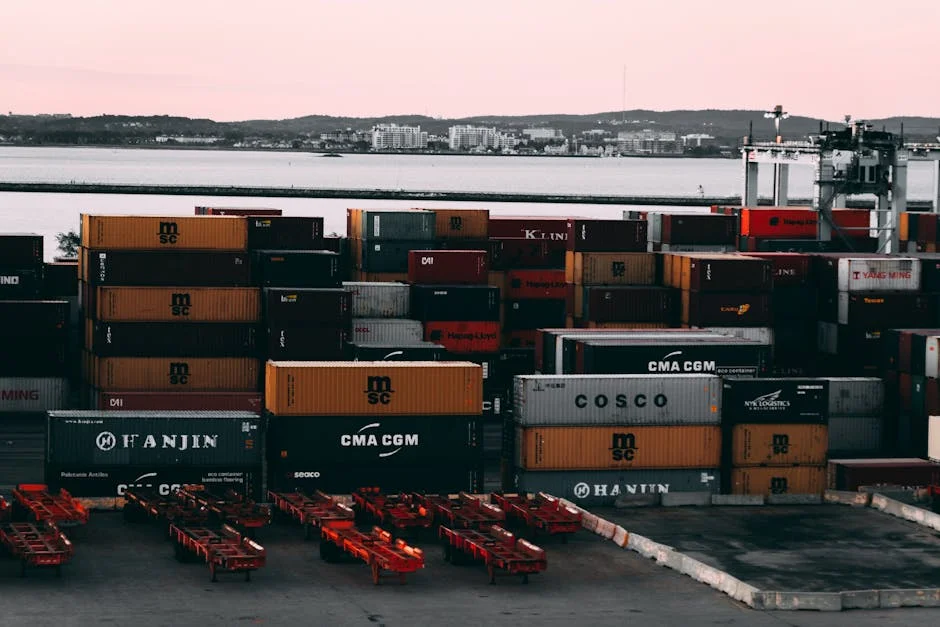
Investors are particularly focused on the potential for streamlined customs procedures at border posts. Delays at borders such as Beira and Lebombo significantly increase the cost of doing business for logistics companies. If the ministers agree to digitalize customs clearance systems, it would reduce turnaround times and lower fuel costs for transport fleets. This efficiency gain would directly improve the profit margins of logistics firms and reduce inflationary pressures on consumer goods across the region.
Investor Confidence and Regional Stability


Security developments explained in the context of the Kruger summit highlight the delicate balance between political stability and economic growth. The deployment of security forces is not merely a logistical necessity but a strategic signal to global markets. It demonstrates that the South African government is capable of managing high-stakes international engagements despite domestic challenges. This perception of competence is crucial for maintaining credit ratings and attracting portfolio investment into South African bonds and equities.
The broader economic narrative for Southern Africa is currently defined by volatility in commodity prices and fluctuating exchange rates. A successful summit that results in concrete trade agreements can provide a buffer against these external shocks by deepening regional integration. For instance, enhanced energy cooperation through the Southern African Power Pool could stabilize electricity costs for industrial consumers. This would be a significant win for energy-intensive sectors such as steel manufacturing and data centers, which are increasingly locating operations in South Africa.
Infrastructure Challenges and Opportunities
Hosting the summit at Kruger National Park news today reflects a strategic choice to showcase the country’s natural assets while testing the infrastructure of a less urbanized region. However, this choice also exposes the infrastructure gaps that exist outside major metropolitan areas. The condition of roads, the reliability of power supply, and the capacity of local airports are all under scrutiny. These factors are critical for the tourism sector, which contributes approximately 8% to South Africa’s GDP and employs millions of workers.
Business leaders have warned that infrastructure decay poses a long-term threat to competitiveness. The summit provides a platform for ministers to discuss infrastructure financing models, including public-private partnerships. If the SADC countries can agree on a unified approach to funding critical transport and energy projects, it could unlock billions of dollars in investment. This would benefit construction firms, engineering consultancies, and material suppliers across the region.
Environmental Policy and Sustainable Investment
Kruger National Park analysis South Africa reveals that environmental sustainability is becoming a key driver of investment decisions. The choice of Kruger as a venue underscores the importance of eco-tourism and green energy in the regional economic strategy. Ministers are expected to discuss how environmental policies can be harmonized to attract sustainable investment. This includes incentives for renewable energy projects and conservation initiatives that support local communities.
The global shift towards ESG (Environmental, Social, and Governance) criteria means that investors are increasingly looking for regions with strong environmental stewardship. South Africa’s commitment to preserving Kruger while developing its tourism infrastructure aligns with these trends. Successful implementation of green policies could position South Africa as a leader in sustainable development in Africa, attracting capital from global pension funds and sovereign wealth funds that prioritize ESG performance.
Future Outlook and Market Watch
The outcomes of the SADC ministerial meeting will be closely monitored by financial markets in the weeks following the summit. Investors will look for specific announcements regarding trade liberalization, infrastructure funding, and energy cooperation. Any concrete steps towards reducing non-tariff barriers could lead to a rally in regional equities, particularly in the logistics and consumer goods sectors. Conversely, a lack of progress could reignite concerns about regional fragmentation and economic stagnation.
Market participants should watch for the release of the final joint communique, which will outline the agreed-upon actions and timelines for implementation. Additionally, the reaction of key stakeholders, including the African Development Bank and the International Monetary Fund, will provide further insight into the economic significance of the summit. The next critical date to mark on the calendar is the follow-up ministerial meeting scheduled for the first quarter of next year, where progress on these commitments will be reviewed.
See Also
- South Africa Faces Severe Crop Failures Amidst Climate Challenges
- West Coast Towns Draw Tourists — Boosting Local Economy This Winter
What is the latest news about sadc ministers arrive in kruger tourism revenue faces immediate test?
Why does this matter for agriculture-food?
What are the key facts about sadc ministers arrive in kruger tourism revenue faces immediate test?