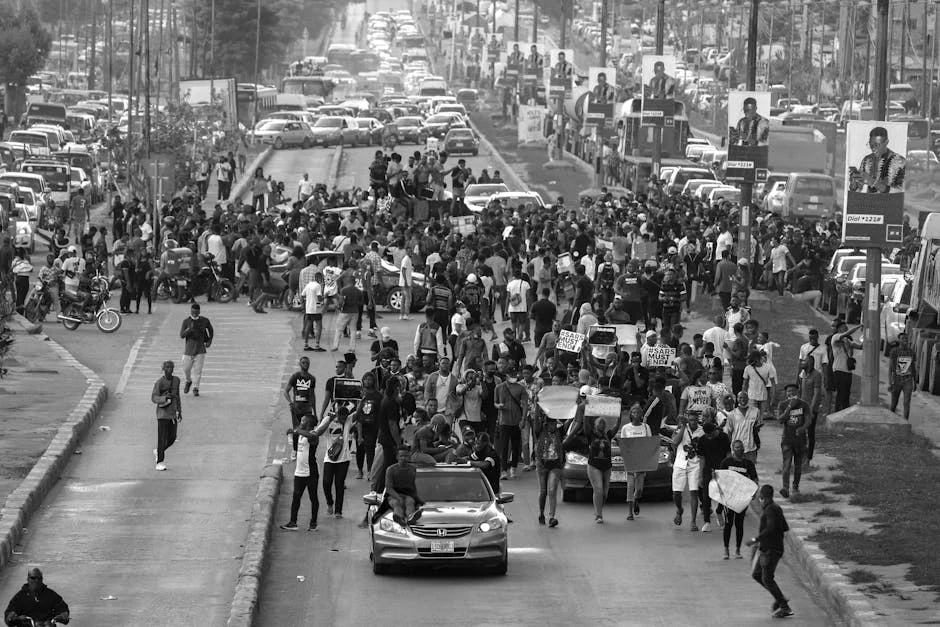
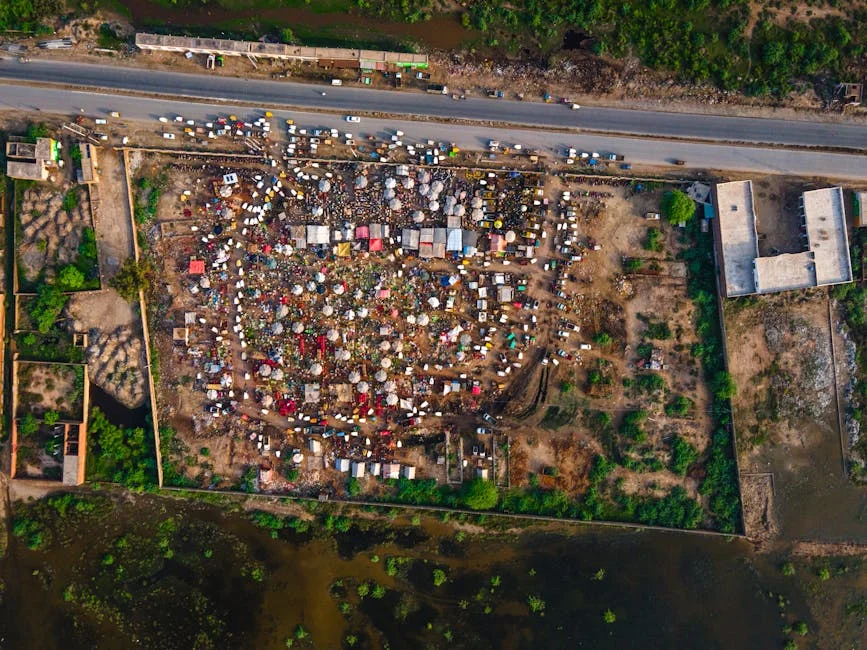
Ghana has launched an emergency evacuation of 300 of its citizens from South Africa following a surge in anti-immigrant protests that have paralyzed key commercial districts in Pretoria and Johannesburg. The decision comes as business leaders warn that the unrest threatens to disrupt supply chains and dampen foreign investor confidence in the region’s largest economy. This sudden diplomatic move highlights the growing volatility facing cross-border trade and labor markets in Southern Africa.
Immediate Economic Disruption in Key Hubs
The protests have directly impacted the economic arteries of South Africa’s most vital commercial centers. Shops, restaurants, and small businesses owned by Ghanaians in areas like Hatfield in Pretoria and the Northern Suburbs of Johannesburg have faced looting, strikes, and sudden rent hikes. This localized chaos creates immediate cash-flow problems for micro, small, and medium enterprises (SMEs) that form the backbone of the informal economy.
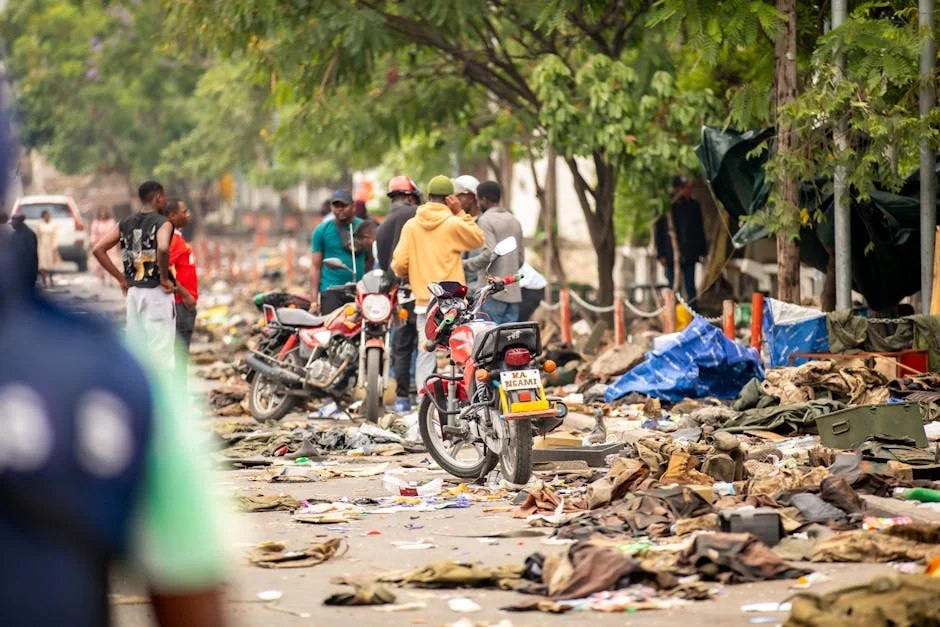
Market analysts observe that when consumer confidence drops in these high-density trading zones, the ripple effect extends to broader retail sectors. Suppliers delay deliveries, and local banks tighten credit lines due to perceived uncertainty. The evacuation of 300 citizens signals a temporary withdrawal of labor and capital, which could lead to a short-term contraction in service industry output in these specific regions. Investors watching the Johannesburg Stock Exchange (JSE) are likely to factor in this instability when valuing retail and hospitality stocks.
Impact on Cross-Border Trade and Investment
South Africa and Ghana maintain strong economic ties, with significant Ghanaian investment in South African real estate, mining, and technology sectors. The current unrest raises questions about the safety of these investments and the ease of doing business across borders. Foreign direct investment (FDI) is highly sensitive to political and social stability, and any perception of unpredictability can cause capital to flow to safer havans within the African Continental Free Trade Area (AfCFTA).
The Ghanaian embassy in Pretoria has coordinated the evacuation to protect its nationals, but the economic implications extend beyond individual safety. Businesses may reconsider expansion plans or delay new ventures until the political climate stabilizes. This hesitation can slow down economic growth and reduce job creation, particularly in sectors that rely heavily on immigrant entrepreneurship. The uncertainty also affects currency markets, as investors might adjust their positions in the South African Rand and the Ghanaian Cedi based on risk assessments.
Real Estate and Property Markets
The property market is one of the most sensitive indicators of economic sentiment. In areas with high concentrations of Ghanaian residents and businesses, rental prices have fluctuated wildly. Landlords in Pretoria’s Hatfield district have reported sudden vacancies as tenants seek safer accommodations or return home. This vacancy rate increase puts downward pressure on rental yields, affecting both local landlords and international property investment funds.
Commercial real estate values may also take a hit if businesses continue to close or relocate. The perception of risk can lead to a re-pricing of assets, where buyers demand higher discount rates to compensate for the uncertainty. This dynamic can slow down the pace of transactions and reduce overall market liquidity. Investors who hold significant portfolios in these neighborhoods will need to reassess their risk exposure and potentially diversify their holdings to mitigate potential losses.
Labor Market Dynamics and Skill Shortages
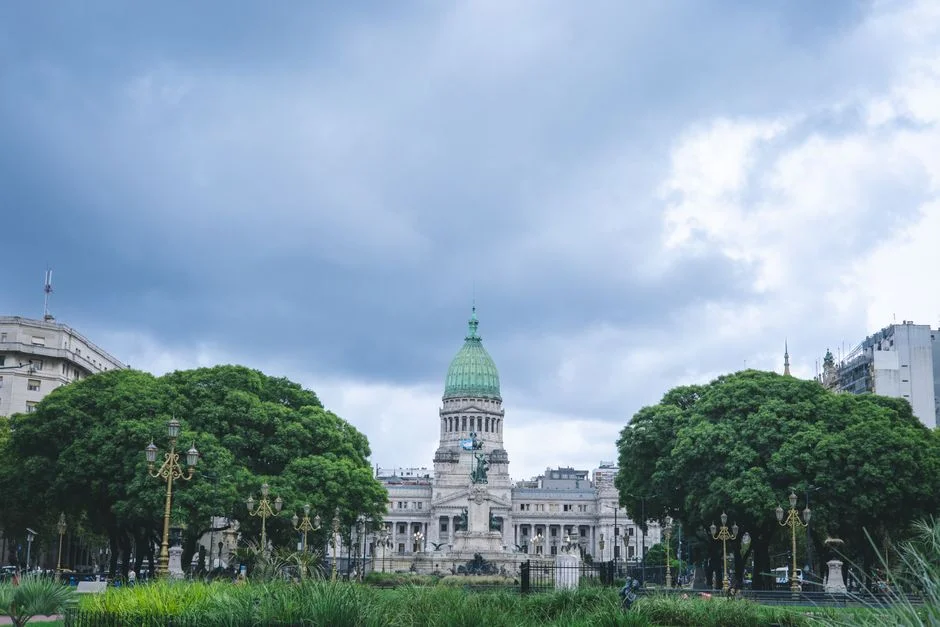
The evacuation of 300 Ghanaians, while a small fraction of the total Ghanaian population in South Africa, highlights the critical role immigrants play in the labor market. Many Ghanaians work in key sectors such as hospitality, retail, healthcare, and engineering. Their sudden departure can create immediate skill shortages, forcing businesses to hire less experienced local staff or import labor from other regions, both of which come with additional costs and training requirements.
For South Africa, which faces a high unemployment rate, the influx of immigrant labor has often been a point of political contention. However, the economic reality is that immigrant entrepreneurs and workers contribute significantly to job creation and tax revenues. The current unrest threatens to disrupt this balance, potentially leading to a brain drain if skilled professionals decide to leave the country permanently. This could have long-term implications for South Africa’s productivity and innovation capacity.
Political Responses and Policy Implications
The political response in both countries is crucial for stabilizing the situation and restoring economic confidence. In Pretoria, the government faces pressure to protect immigrant communities while addressing the grievances of local residents. Balancing these competing interests requires careful policy formulation and effective communication. Any misstep could exacerbate tensions and lead to further economic disruption.
In Ghana, the decision to evacuate citizens is seen as a proactive measure to protect national interests. However, it also places diplomatic pressure on South Africa to improve the treatment of its immigrant population. This diplomatic engagement could lead to bilateral agreements that enhance labor mobility and investment protections. Such agreements would be beneficial for both economies, providing a more stable framework for cross-border trade and investment.
Market Sentiment and Investor Confidence
Financial markets are forward-looking, meaning that investor sentiment is heavily influenced by expectations of future stability. The current unrest in South Africa has introduced a new variable into the risk assessment models used by institutional investors. This can lead to increased volatility in equity and bond markets, as investors adjust their portfolios to reflect the heightened uncertainty.
Foreign investors may also reconsider their exposure to South African assets, particularly in sectors that are most vulnerable to social unrest. This can lead to capital outflows, putting downward pressure on the Rand and increasing borrowing costs for businesses and the government. Conversely, if the situation stabilizes quickly and effective policies are implemented, investor confidence could rebound, leading to a surge in capital inflows. The key will be the speed and effectiveness of the response from both governments.
Long-Term Economic Consequences
The long-term economic consequences of this crisis depend on how well both countries manage the immediate fallout and implement structural reforms. If South Africa fails to address the root causes of anti-immigrant sentiment, it risks losing its competitive edge as a regional economic hub. This could lead to a gradual erosion of foreign investment and a slowdown in economic growth.
For Ghana, the evacuation highlights the need for a more robust foreign policy that protects its citizens and economic interests abroad. Strengthening bilateral ties with South Africa and other key partners can help mitigate future risks and create a more favorable environment for Ghanaian businesses and investors. Both countries have much to gain from a stable and prosperous relationship, and the current crisis presents an opportunity to redefine that partnership.
Investors and businesses should monitor the situation closely, paying attention to policy announcements from both governments and developments in the key commercial districts. The next few weeks will be critical in determining the long-term impact of this unrest on the economic landscape of Southern Africa. Watch for upcoming parliamentary sessions in Pretoria and diplomatic statements from Accra for the next major policy shifts.
See Also
- Gabon’s Social Media Clampdown Triggers Investor Alarm
- Congress Nominates New Face Christopher for Rajya Sabha: What This Means for Tamil Nadu