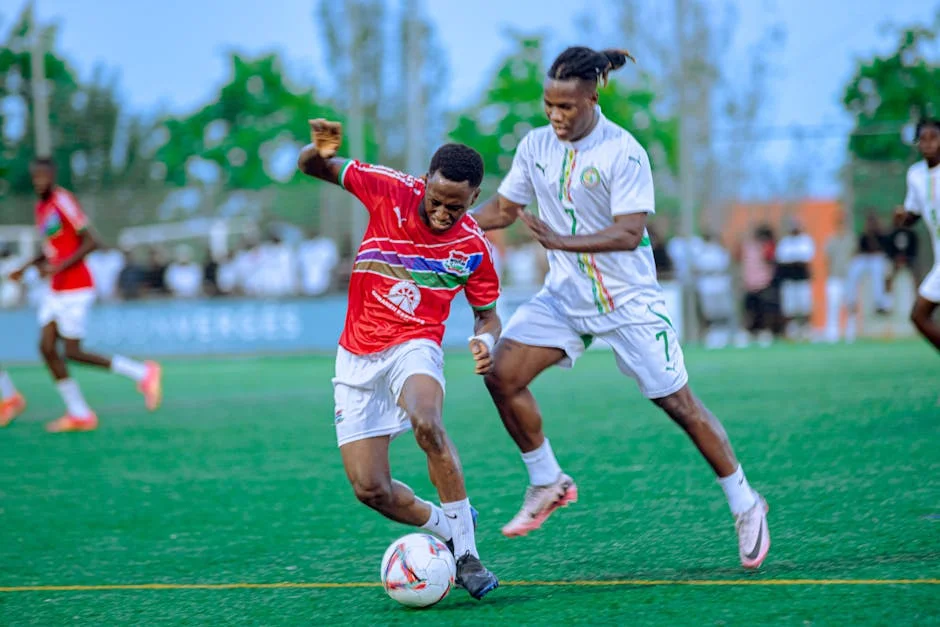
Maroc has officially positioned itself as the host nation for the TotalEnergies CAF U-17 Africa Cup of Nations in 2026, triggering a wave of economic activity across North Africa. The Confederation of African Football (CAF) confirmed the selection, highlighting Morocco’s infrastructure readiness and the strategic partnership with energy giant TotalEnergies. This decision sends immediate signals to investors and businesses in the region, particularly those eyeing the sports tourism and hospitality sectors.
For South African stakeholders, the announcement is a double-edged sword. While it solidifies Morocco’s status as a football powerhouse, it also intensifies regional competition for investment. Businesses in the Cosafa region are now scrambling to adapt their strategies in light of this new competitive landscape. The economic implications extend far beyond the final whistle, affecting everything from currency fluctuations to hotel occupancy rates.
Investment Flows and Infrastructure Spending
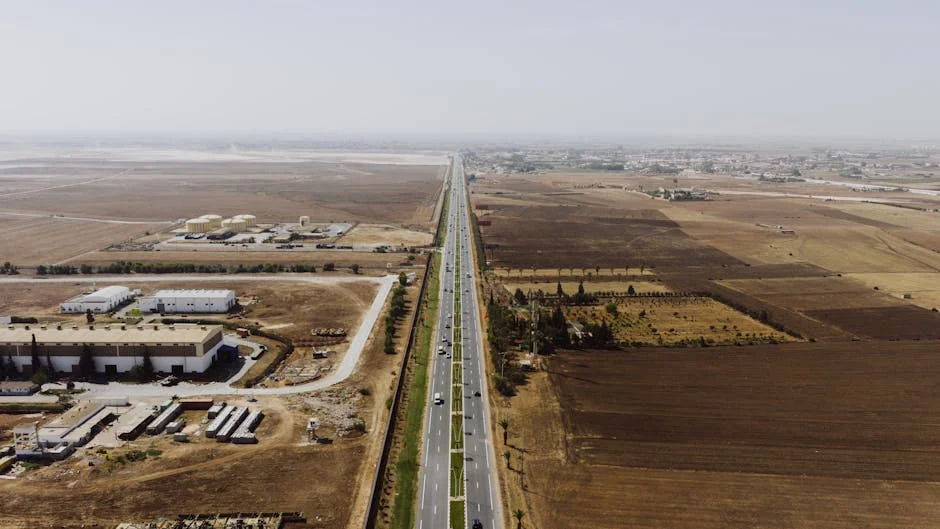
The hosting rights come with a substantial financial commitment. Morocco is expected to inject approximately $1.2 billion into infrastructure upgrades and operational costs leading up to the June 2026 tournament. This capital expenditure is not merely a sporting expense but a strategic economic lever designed to attract foreign direct investment. The government has prioritized the modernization of stadiums in Casablanca and Rabat, aiming to create a lasting legacy for both football and general tourism.
TotalEnergies, the title sponsor, stands to gain significant brand visibility across the African continent. For the French energy major, this sponsorship is a calculated move to deepen its market penetration in West and North Africa. The deal includes exclusive branding rights and digital marketing exposure, which analysts value at over $200 million in equivalent advertising spend. This level of investment underscores the growing commercial value of African football properties.
Local construction firms in Morocco are already seeing a surge in contracts. The rush to complete renovations before the June deadline has created a temporary boom in the building sector. Steel and concrete prices in Casablanca have risen by roughly 8% in the last quarter, reflecting the increased demand from project managers. This inflationary pressure is a direct consequence of the concentrated spending required to deliver the tournament on time.
Supply Chain Impacts
The supply chain for the tournament is becoming a focal point for regional suppliers. Companies specializing in logistics, catering, and event management are forming joint ventures to secure prime contracts. The need for efficient transport networks has also spurred investment in road infrastructure connecting key venues. This ripple effect benefits not only Moroccan firms but also importers from neighboring Algeria and Spain.
Investors are closely monitoring these supply chain dynamics. The ability to deliver goods and services efficiently will determine the profitability of many small and medium-sized enterprises (SMEs) involved in the event. Those who fail to secure early contracts may find themselves priced out of the market as larger conglomerates consolidate their positions. This consolidation trend is likely to continue well beyond the tournament itself.
Impact on South African Markets
For South Africa, the news carries specific economic implications. The Cosafa region, which includes several key South African football markets, faces increased competition for sponsorship dollars. Brands that might have previously targeted South African U-17 tournaments are now diverting funds to Morocco. This shift could lead to a slight contraction in local sports marketing budgets, forcing South African agencies to innovate or risk losing market share.
South African airlines are also feeling the pressure. With Morocco positioning itself as a football hub, carriers like South African Airways and FlySafair may see a diversion of leisure travelers. The Moroccan Dirham’s stability, bolstered by tourism revenues, makes it an attractive destination for budget-conscious European and African fans. This could result in a modest decline in passenger numbers on routes connecting Johannesburg to Cape Town during the tournament period.
However, there are opportunities for South African businesses to export services. Event management companies, technology providers, and broadcasting firms have a chance to secure sub-contracts for the Morocco 2026 event. The demand for high-quality broadcasting infrastructure, for instance, could benefit South African tech firms with a strong track record in sports production. This export potential offers a silver lining to the increased regional competition.
Hotel and Hospitality Sector Reactions

The hospitality industry in Morocco is bracing for a significant influx of visitors. Hotels in Casablanca, Rabat, and Tangier are already raising prices in anticipation of the June 2026 peak. Early booking data suggests a 15% increase in occupancy rates compared to the previous year. This surge is driven not only by football fans but also by business travelers attending related conferences and networking events.
Investors in the Moroccan hospitality sector are seeing their asset values rise. Real estate prices near key stadiums have appreciated by approximately 10% since the announcement. This trend is attracting international hotel chains looking to expand their footprint in North Africa. The entry of global brands could raise the standard of service but also increase competition for local boutique hotels.
South African hoteliers are watching these developments closely. The success of Morocco’s hospitality strategy could serve as a blueprint for other African hosts. Learning from Morocco’s pricing models and marketing campaigns will be crucial for South African destinations aiming to attract international sports tourists. The data from the 2026 tournament will provide valuable insights into consumer behavior and spending patterns.
Financial Markets and Currency Dynamics
Financial markets have reacted positively to the announcement. The Moroccan stock index, MASI, saw a slight uptick in the days following the confirmation. Investors are optimistic about the potential for increased corporate earnings in the tourism and retail sectors. This positive sentiment is likely to persist as more details about the tournament’s economic impact are revealed.
Currency markets are also adjusting. The Moroccan Dirham has shown resilience against the Euro and the US Dollar, partly due to the expected inflow of foreign currency from ticket sales and tourism. This stability is beneficial for importers and helps to control inflation. For South African investors, the Dirham’s performance offers a comparative benchmark for the Rand’s volatility.
Bond markets in Morocco may also see increased activity. The government might issue new bonds to finance some of the infrastructure projects, attracting foreign investors seeking stable returns. This influx of capital could lower borrowing costs for other sectors of the economy. The interplay between sports investment and macroeconomic indicators is a key area to watch for financial analysts.
Business Strategies and Adaptation
Businesses across the region are adapting their strategies in response to the Morocco 2026 announcement. Marketing firms are revising their campaigns to target the Moroccan market, recognizing its growing influence in African football. This shift requires a deep understanding of local consumer preferences and cultural nuances. Companies that fail to localize their approach may struggle to connect with the Moroccan audience.
Technology companies are also stepping up their game. The demand for digital solutions, from mobile ticketing to real-time data analytics, is driving innovation in the tech sector. Startups in Casablanca are securing venture capital to develop apps and platforms tailored to the needs of football fans. This tech boom could have long-term benefits for the Moroccan economy, creating a more digital-savvy workforce.
South African businesses must remain agile. The competition for attention and spending power is intensifying. Companies that can offer unique value propositions or form strategic partnerships will be better positioned to thrive. The Morocco 2026 tournament is not just a sporting event; it is a test case for how African markets can leverage sports to drive economic growth.
What to Watch Next
The coming months will be critical in determining the economic impact of the Morocco 2026 tournament. Investors should monitor the release of the official budget breakdown and the progress of infrastructure projects. Any delays or cost overruns could affect the overall return on investment. The announcement of additional sponsors and partners will also provide insights into the commercial viability of the event.
South African stakeholders should keep an eye on the performance of the Moroccan Dirham and the occupancy rates of key hotels. These indicators will offer early signals of the tournament’s economic success. Additionally, the strategies adopted by South African businesses in response to the competition will reveal how agile the local market is. The June 2026 tournament will serve as a benchmark for future African sporting events, making it a crucial case study for economists and investors alike.
See Also
- Nigeria's Telcos Launch Transparency Tools to Combat Data Depletion Complaints
- African Fans Face Travel Hurdles as World Cup Visa Bond Policy Unravels
The interplay between sports investment and macroeconomic indicators is a key area to watch for financial analysts. This positive sentiment is likely to persist as more details about the tournament’s economic impact are revealed.
What is the latest news about morocco sets 12bn bid for caf u17 trophy markets react?
Why does this matter for education?
What are the key facts about morocco sets 12bn bid for caf u17 trophy markets react?