KwaZulu-Natal’s culinary sector is experiencing a robust expansion that extends far beyond the dining table, creating tangible value for local investors and businesses. The province has emerged as a critical economic engine, where traditional Zulu recipes and coastal seafood are being packaged for global consumption. This shift is not merely a cultural celebration but a strategic economic move that is reshaping regional supply chains and attracting foreign direct investment.
Market analysts observe that the integration of heritage cooking with modern hospitality standards is driving revenue growth in Durban and surrounding areas. Restaurants and agribusinesses are leveraging this renaissance to capture higher market shares both domestically and internationally. The economic implications are significant, with job creation in the service sector and increased demand for local agricultural produce.
Market Dynamics in the KZN Hospitality Sector
The hospitality industry in KwaZulu-Natal is seeing a marked increase in occupancy rates and average spend per head. Hotels and boutique lodges in Durban are increasingly differentiating themselves through curated culinary experiences that highlight local ingredients. This trend forces competitors to adapt or risk losing market share to establishments that offer authentic taste profiles.
Investors are taking notice of the revenue stability provided by the food and beverage segment. Unlike volatile tourism peaks, the culinary appeal draws consistent foot traffic from locals and expatriates. This consistency lowers the risk profile for new restaurant ventures and encourages franchise expansions.
Investment Flows and Capital Allocation
Captital allocation in the region has shifted towards food-tech startups and premium dining concepts. Venture capital firms are funding platforms that connect local farmers directly to high-end restaurants, reducing middlemen costs. This vertical integration improves profit margins for businesses and ensures freshness for consumers.
The demand for quality ingredients has also spurred investment in cold chain logistics. Companies specializing in refrigerated transport are expanding their fleets to meet the needs of growing restaurant groups. This infrastructure development benefits the broader economy by reducing post-harvest losses for local farmers.
Agricultural Supply Chain Transformations
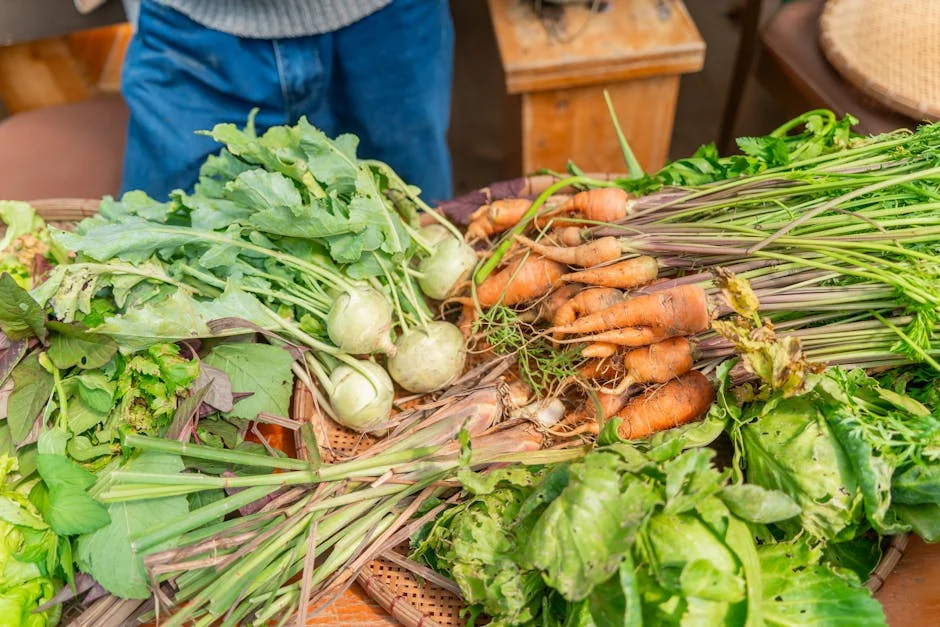
The surge in demand for local flavours has created a ripple effect across KwaZulu-Natal’s agricultural landscape. Farmers in the Midlands and the North Coast are planting more heritage crops such as sorghum, millet, and indigenous vegetables. This diversification reduces the province’s reliance on imported staples and strengthens food security.
Agribusinesses are responding by forming cooperatives to negotiate better prices with bulk buyers. These collective bargaining units empower smallholder farmers to compete with large-scale commercial farms. The result is a more resilient supply chain that can withstand price shocks and seasonal variations.
Export opportunities are also expanding as international buyers seek out unique South African ingredients. Spices, dried fruits, and artisanal preserves from KwaZulu-Natal are finding their way into European and Asian supermarkets. This export growth brings in foreign currency and boosts the provincial balance of trade.
Business Models and Entrepreneurial Opportunities


New business models are emerging to capitalize on the culinary boom. Food trucks, pop-up dinners, and farm-to-table experiences are lowering the barrier to entry for entrepreneurs. These flexible formats allow startups to test concepts with lower capital expenditure before committing to brick-and-mortar locations.
Franchise models are adapting to include more local menu items to appeal to the discerning KZN consumer. National chains are incorporating Zulu-inspired dishes to differentiate themselves from competitors. This localization strategy helps brands build stronger emotional connections with their customer base.
Consultancy firms are seeing increased demand for culinary branding and menu engineering services. Businesses are investing in professional chefs and food stylists to enhance their market positioning. This professionalization of the sector raises the overall quality standard and attracts higher-spending demographics.
Consumer Behaviour and Spending Patterns
Consumers in KwaZulu-Natal are increasingly willing to pay a premium for authentic and sustainably sourced food. This willingness to spend is driven by a growing health consciousness and a desire for cultural connection. Restaurants that can articulate the story behind their ingredients command higher prices and better customer loyalty.
Spending patterns show a shift from occasional dining out to frequent, experience-based consumption. Families and young professionals are treating meals as social events, leading to longer stays and higher ancillary sales. This behavior boosts revenue for venues that offer complementary services such as live music or art exhibitions.
Online food delivery platforms are also benefiting from this trend. The digitization of the dining experience has expanded the reach of local eateries, allowing them to capture customers beyond their immediate geographical vicinity. This digital expansion creates new revenue streams and reduces dependency on physical foot traffic.
Regional Economic Impact and Job Creation
The culinary renaissance is a significant driver of employment in KwaZulu-Natal. The sector employs a diverse workforce, ranging from skilled chefs and sommeliers to farmers and logistics drivers. Job creation in this area is particularly important for youth unemployment, offering both entry-level and specialized roles.
Small and medium enterprises (SMEs) are thriving in the supply ecosystem. From spice blending to pottery for serving dishes, local artisans are finding new markets. This decentralization of economic activity helps to distribute wealth more evenly across different communities within the province.
Government initiatives are also aligning with this growth trajectory. Policies that support local procurement and tourism development are amplifying the impact of the culinary sector. These strategic interventions ensure that the benefits of the boom are sustained over the long term.
Investment Perspectives and Future Outlook
For investors, KwaZulu-Natal’s food sector offers a compelling value proposition. The combination of cultural authenticity, agricultural abundance, and growing middle-class demand creates a fertile ground for returns. Strategic investments in infrastructure and branding can yield substantial dividends in the coming years.
Risk factors remain, including potential supply chain disruptions and changing consumer preferences. However, the diversification of the sector provides a buffer against isolated shocks. Investors who focus on integrated business models are likely to achieve greater resilience and profitability.
The global trend towards experiential consumption supports the long-term growth potential of the KZN culinary market. As international tourists return in force, the province is well-positioned to capture a larger share of the global dining spend. This outlook suggests continued expansion and innovation in the sector.
Strategic Recommendations for Stakeholders
Business leaders should focus on building strong brand narratives that highlight local heritage. Authenticity is a key differentiator in a crowded market, and consumers respond positively to genuine stories. Investing in marketing and customer experience will pay off in increased loyalty and word-of-mouth referrals.
Agribusinesses should explore value-addition strategies to capture more profit. Processing raw ingredients into finished goods can increase shelf life and appeal to a wider range of buyers. Collaborating with restaurants on product development can also open up new distribution channels.
Policymakers need to continue supporting infrastructure development and skill training. Improving road networks and investing in vocational education will enhance the competitiveness of the sector. These foundational elements are crucial for sustaining the current momentum and attracting further investment.
Monitoring Key Performance Indicators
Stakeholders should monitor several key metrics to gauge the health of the culinary sector. These include average revenue per customer, job creation rates, and export volume growth. Tracking these indicators will provide early signals of market shifts and inform strategic decision-making.
Consumer sentiment surveys and social media analytics can also offer valuable insights. Understanding what diners value most allows businesses to adapt quickly to changing tastes. This data-driven approach minimizes risk and maximizes the efficiency of marketing spend.
The upcoming fiscal year will be critical for assessing the sustainability of the current boom. Investors and businesses should prepare for potential fluctuations in demand and supply. Proactive planning and agile operations will be essential for navigating the evolving landscape.
Watch for the release of the quarterly tourism and hospitality reports from the KwaZulu-Natal Economic Development and Tourism Authority. These documents will provide detailed data on visitor numbers and spending patterns. Analysts will also be tracking new foreign direct investment announcements in the food and beverage sector.
See Also
- Nigeria Sets Stage for 2026 Civil Service Overhaul
- Woolworths Confirms Explosion in Pretoria Store — Impact on Business Unfolds