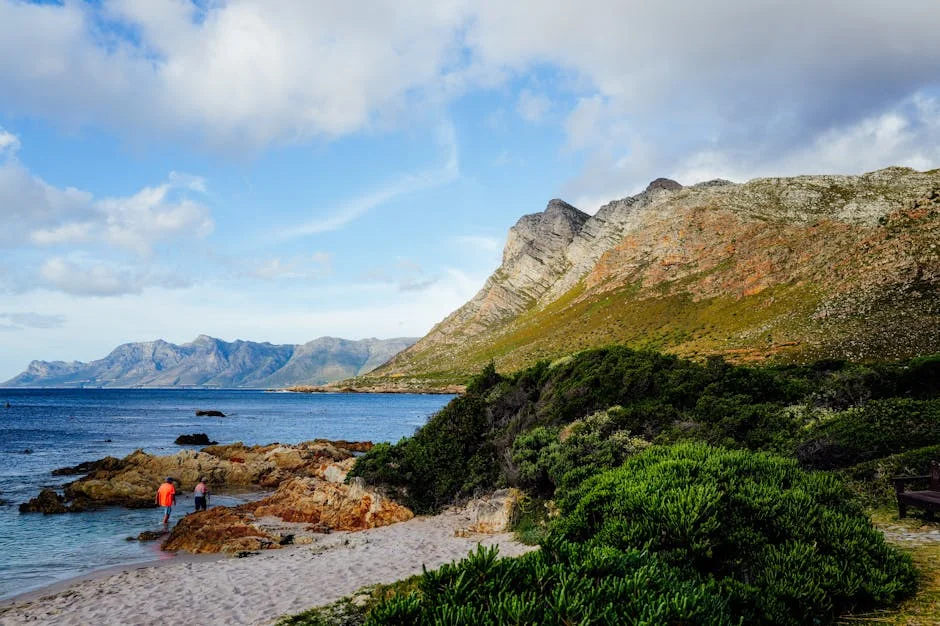
South African winegrowers are scrambling to adapt their production methods as rising temperatures threaten the quality and volume of vintages in the Western Cape. This climatic shift poses a direct financial risk to one of the country’s most vital export sectors, forcing businesses to rethink everything from irrigation strategies to grape variety selection.
The urgency is driven by concrete data showing that average temperatures in key viticultural zones have increased significantly over the last two decades. Investors and stakeholders are now closely monitoring how these environmental changes translate into market volatility and long-term profitability for local estates.
Climate Shifts Threaten Vineyard Yields
The Western Cape, which accounts for roughly 90% of South Africa’s wine production, is experiencing a distinct warming trend. This is not merely a gradual change but an accelerated shift that affects the phenological stages of the grapevine. Higher temperatures cause grapes to ripen faster, often leading to higher alcohol levels and lower acidity, which can alter the traditional taste profile that international consumers expect.
Stellenbosch, one of the most prestigious wine regions, has seen daytime temperatures soar above 30°C during peak harvest seasons more frequently than in previous years. This heat stress reduces the natural sugars in the berries and can lead to uneven ripening across the vineyard. For winemakers, this inconsistency requires more manual intervention and careful selection during the harvest, driving up labor costs.
The economic implications are immediate. If the quality of the wine declines due to heat stress, the premium pricing power of South African wines on the global market could erode. Consumers in key export markets like the UK, Germany, and the US are increasingly discerning. A shift in flavor profile could force South African producers to compete more aggressively on price rather than quality, squeezing profit margins.
Water Scarcity Drives Operational Costs
Water is the lifeblood of the wine industry, and the Western Cape has faced severe droughts in recent years. The famous "Day Zero" threat in Cape Town highlighted the vulnerability of the region's water security. For wine estates, water scarcity means higher costs for groundwater extraction and the implementation of sophisticated irrigation systems.
Many farms are now investing in drip irrigation technology and soil moisture sensors to optimize water usage. While these technologies improve efficiency, they require significant upfront capital expenditure. Smaller boutique wineries, which often have thinner balance sheets, find themselves at a competitive disadvantage compared to larger conglomerates that can absorb these initial costs more easily.
The cost of water is also influenced by municipal pricing structures and agricultural levies. As water becomes scarcer, its price rises, directly impacting the cost of goods sold (COGS) for wine producers. This increase in operational expenses must be passed on to consumers or absorbed by the business, both of which have implications for the final shelf price of the wine.
Financial Impact on Smaller Estates
Smaller wine estates in regions like Franschhoek and Constantia are particularly vulnerable. These businesses often rely on a single varietal or a narrow range of wines. If climate change affects that specific grape variety, the entire business model is at risk. Larger producers can diversify their portfolios, planting different varieties in different microclimates to hedge against climate risks.
Investors are beginning to factor in these climate risks when valuing wine estates. Properties with secure water rights and diverse planting strategies are commanding higher valuations. This trend is reshaping the investment landscape in the Western Cape, with capital flowing towards more resilient and adaptable wine businesses.
Strategic Adaptations by Wine Producers
In response to these challenges, South African winegrowers are implementing a range of strategic adaptations. One key strategy is the introduction of heat-resistant grape varieties. Traditional varieties like Cabernet Sauvignon and Merlot are being complemented or replaced by varieties such as Grenache, Syrah, and even some indigenous grapes that are naturally more suited to warmer conditions.
Another adaptation involves changing the timing of agricultural activities. Some vineyards are harvesting earlier in the morning or even at night to capture grapes at their coolest, preserving acidity and aroma. This shift in labor scheduling increases operational complexity and cost, but it is essential for maintaining quality.
Canopy management is also being re-evaluated. Growers are training vines to create more shade over the grape clusters, protecting them from direct sunlight and heat. This technique requires skilled labor and careful planning, further emphasizing the need for investment in human capital within the industry.
Market Reactions and Investor Sentiment
The global wine market is highly competitive, and South Africa must maintain its edge to attract and retain investors. Climate change introduces an element of uncertainty that can deter long-term investment. However, it also creates opportunities for innovation and differentiation. South African wines are increasingly being marketed as "climate-resilient" or "sustainable," appealing to environmentally conscious consumers.
Investors are looking for evidence of strategic foresight and effective risk management. Wineries that can demonstrate a clear plan for adapting to climate change are more likely to secure funding. This includes investments in technology, diversification of grape varieties, and robust water management strategies.
The financial markets are also watching the performance of major wine holding companies. Companies like Stellenbosch Vineyards and Nederburg are closely monitored as indicators of the broader health of the sector. Their ability to maintain growth and profitability amidst climate challenges will influence investor confidence in the entire Western Cape wine industry.
Policy and Infrastructure Developments
The South African government and local authorities are playing a crucial role in supporting the wine industry. Policies aimed at improving water infrastructure, providing subsidies for sustainable practices, and investing in agricultural research are essential for the sector's resilience. The Western Cape government has introduced various initiatives to help farmers adapt to climate change, including grants for irrigation efficiency and support for agricultural extension services.
Infrastructure development in the Western Cape is also critical. Reliable electricity and transport networks are essential for the efficient operation of wine estates. Power outages, such as those experienced during load shedding, can disrupt temperature-controlled storage and processing, leading to potential losses. Improving infrastructure reduces operational risks and enhances the competitiveness of South African wines.
Collaboration between the public and private sectors is increasing. Partnerships between winegrowers, research institutions, and government bodies are fostering innovation and knowledge sharing. These collaborations are helping to develop new technologies and practices that can help the industry adapt to a changing climate.
Long-Term Economic Implications
The long-term economic implications of climate change on the South African wine industry are profound. If the industry fails to adapt, it could see a decline in export volumes and a reduction in foreign exchange earnings. This would have a ripple effect on the broader South African economy, affecting employment, tourism, and related industries such as packaging and logistics.
Conversely, successful adaptation could position South Africa as a leader in sustainable wine production. This could open up new markets and attract premium pricing. The key lies in the ability of winegrowers to innovate and invest in the future. This requires a combination of financial resources, strategic vision, and supportive policy frameworks.
The wine industry is a significant contributor to the Western Cape's economy, providing jobs and boosting tourism. Maintaining its competitiveness is therefore a priority for regional and national economic planners. The decisions made by winegrowers in the coming years will shape the future of this vital sector.
What to Watch Next
Stakeholders should monitor the upcoming harvest reports from the Western Cape, which will provide early indicators of how climate change is affecting yields and quality. Pay attention to the financial results of major wine holding companies, particularly their capital expenditure on climate adaptation technologies. Additionally, watch for new policy announcements from the Western Cape government regarding water management and agricultural subsidies. These developments will offer crucial insights into the resilience and future trajectory of South Africa’s wine industry.
See Also
- SAPS Corruption Scare Shakes South African Markets
- Kiru Naidoo Demands Accountability at Durban Book Fair — What’s Next for Post Plus?
The financial markets are also watching the performance of major wine holding companies. Companies like Stellenbosch Vineyards and Nederburg are closely monitored as indicators of the broader health of the sector.
What is the latest news about sa wine industry faces heat crisis?
Why does this matter for agriculture-food?
What are the key facts about sa wine industry faces heat crisis?