Apple Inc. is actively exploring a strategic shift in its semiconductor supply chain by inviting Intel and Samsung to manufacture its main device chips within the United States. This move directly challenges the long-standing dominance of Taiwan Semiconductor Manufacturing Company (TSMC) in Apple’s production ecosystem. The decision carries immediate implications for global tech investors and supply chain dynamics.
For markets in Johannesburg and beyond, this development signals a potential reshuffling of global tech valuations. Investors are closely monitoring how this diversification strategy impacts the broader technology sector. The ripple effects extend far beyond Cupertino, touching manufacturing hubs and financial markets worldwide.
Strategic Diversification of Apple’s Supply Chain
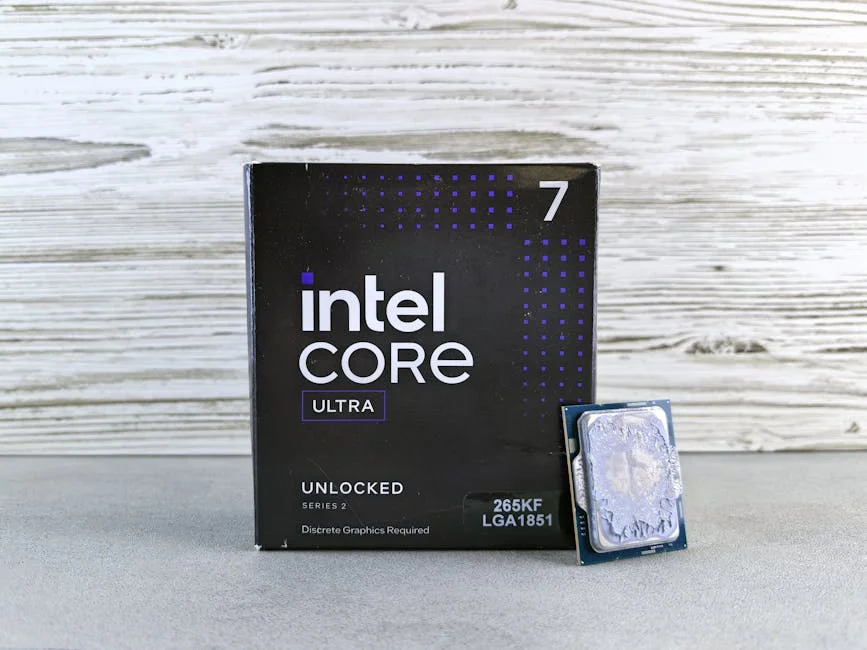
Apple has long relied on TSMC for its high-performance A-series and M-series chips. This reliance created a single point of failure in a volatile global market. Recent geopolitical tensions and logistical bottlenecks have forced Apple to seek alternative manufacturing partners. The company aims to reduce risk by spreading production across multiple geographies.
Intel and Samsung represent the two most viable alternatives to TSMC. Both companies possess advanced fabrication capabilities and are eager to capture a larger share of the Apple account. This competition could drive down costs and improve innovation in chip design. Apple’s leverage in these negotiations is substantial given its volume of orders.
The decision to bring production stateside adds another layer of complexity. The United States offers political stability and proximity to Apple’s headquarters. However, labor costs and infrastructure challenges remain significant hurdles. Apple must weigh these factors against the benefits of reduced shipping times and tariffs.
Impact on Intel Stock and Market Valuation
Intel stock news today reflects growing optimism among investors regarding the chipmaker’s turnaround strategy. The potential inclusion of Apple’s flagship chips in Intel’s production line could validate its foundry business. This validation is crucial for Intel as it competes with TSMC and Samsung for external customers. The market reaction has been positive, with shares showing resilience amidst broader tech volatility.
Why intel stock matters extends beyond its historical dominance in the PC processor market. Intel is betting its future on becoming a primary manufacturer for other tech giants. Apple represents the holy grail of foundry clients due to its scale and design prowess. Securing Apple would provide Intel with consistent revenue streams and technological feedback loops.
Investors should watch for official announcements regarding volume commitments. A large-scale deal could significantly boost Intel’s earnings per share. Conversely, a modest pilot program might lead to market disappointment. The valuation of Intel stock will likely fluctuate based on the perceived certainty of Apple’s commitment.
Samsung’s Role in the Global Chip Race


Samsung Electronics is also a key player in this emerging competition. The South Korean giant has long manufactured memory chips and mobile processors for Apple. Expanding into main device chips would deepen Samsung’s integration into Apple’s ecosystem. This move could strengthen Samsung’s bargaining power and technological leadership.
Why SG matters in this context relates to Samsung’s stock performance and market positioning. SG, often used as a ticker or shorthand for Samsung Group or Samsung Electronics in regional markets, reflects investor sentiment towards the conglomerate. Any positive news regarding Apple’s chip sourcing directly impacts SG’s valuation. Investors in Asian and European markets are closely tracking these developments.
What is SG is a reference to the market identifier for Samsung’s primary listing or related entities. For South African investors, understanding how SG affects South Africa is important. Samsung is a major exporter to the African continent, including South Africa. Its financial health influences local retail prices and job creation in the electronics sector. Strong performance in the US market can bolster Samsung’s global balance sheet, benefiting its operations in Johannesburg and Cape Town.
Implications for South African Investors and Markets
How intel stock affects South Africa is a question on the minds of local portfolio managers. South African investors hold significant exposure to the US technology sector through exchange-traded funds and direct equity holdings. Volatility in Intel’s share price directly impacts the returns of these portfolios. A surge in Intel stock could provide a tailwind for local tech-focused funds.
How SG affects South Africa is also a critical consideration. Samsung’s dominance in the South African smartphone market means its financial performance influences local consumer electronics prices. If Samsung secures a major chip deal with Apple, its profit margins may improve. This could lead to more competitive pricing for South African consumers or increased investment in local retail infrastructure.
Local banks and asset managers are advising clients to monitor these developments closely. The tech sector remains a key driver of global market performance. Diversification within tech holdings can help mitigate risk. Investors should consider the correlation between Intel, Samsung, and TSMC when adjusting their portfolios. Changes in supply chain dynamics can quickly alter these correlations.
Regional Economic Connections
The interconnectedness of global supply chains means that decisions in California affect economies in Johannesburg. South Africa imports a significant portion of its consumer electronics from Asia and the US. Fluctuations in chip production costs can influence the price of smartphones, laptops, and tablets. These price changes directly impact consumer spending power in South Africa.
Furthermore, local tech companies in South Africa rely on stable supply chains for their own products. Any disruption or shift in the global chip market can affect their inventory levels and production schedules. Businesses in the Cape Town tech hub, for instance, are monitoring these trends to plan their procurement strategies. Stability in chip supply is essential for the growth of the local digital economy.
Geopolitical Factors and US Manufacturing
The push to manufacture chips in the United States is driven by geopolitical strategy. The US government aims to reduce dependence on Asian supply chains, particularly those in Taiwan and South Korea. This strategic shift is supported by subsidies and tax incentives outlined in the CHIPS and Sciences Act. Apple’s move aligns with these national interests, potentially securing government support.
Tariffs on imported electronics could also influence Apple’s decision. A more localized production base would mitigate the impact of trade wars between the US and China. This could result in lower costs for American consumers and higher profit margins for Apple. The geopolitical stability of the US makes it an attractive location for long-term manufacturing investments.
However, the US faces challenges in attracting and retaining skilled labor for chip manufacturing. The competition for engineers and technicians is fierce. Apple, Intel, and Samsung will need to invest heavily in workforce development to ensure smooth operations. The success of US-based chip production depends on these human capital investments.
Investment Outlook and Market Reactions
Market reactions to Apple’s supply chain diversification have been mixed. Some investors view the move as a smart hedge against geopolitical risks. Others worry about the potential for increased costs and logistical complexities. The uncertainty surrounding the final deal terms keeps markets volatile. Traders are watching for clues from earnings calls and supply chain reports.
Analysts suggest that the full impact of this shift will take time to materialize. Chip fabrication is a capital-intensive and time-consuming process. It may take several years for Intel or Samsung to fully ramp up production for Apple. During this transition period, TSMC will likely remain the primary supplier. Investors should prepare for a gradual rather than immediate change in market dynamics.
The broader technology sector will continue to be influenced by these developments. Chip shortages and price fluctuations can affect everything from automotive production to data center expansion. South African investors should maintain a diversified portfolio to navigate these uncertainties. Keeping an eye on global tech trends is essential for making informed investment decisions.
Future Developments and Key Dates
Investors should watch for the next quarterly earnings reports from Intel, Samsung, and Apple. These reports will provide insights into the progress of chip production deals. Any mention of increased foundry revenue from Apple would be a strong positive signal. Conversely, a lack of mention could indicate delays or negotiations falling through.
The official announcement of production volumes and timelines is the next major milestone. This could occur at an upcoming tech conference or through a press release. The market will react sharply to any concrete details regarding the partnership. Investors should prepare for increased volatility around these announcement dates.
Long-term, the success of US-based chip production will depend on policy continuity and technological innovation. Changes in US trade policy or tax incentives could alter the economic viability of domestic manufacturing. South African investors should monitor these political developments as they directly impact the global tech supply chain. The next 12 to 24 months will be critical in determining the long-term structure of Apple’s chip supply.
See Also
- That Launches Modular Phone Accessories Beyond MagSafe — and What It Means for Africa
- Trump Administration Resets Africa Policy — Direct Support Heads to Nigeria