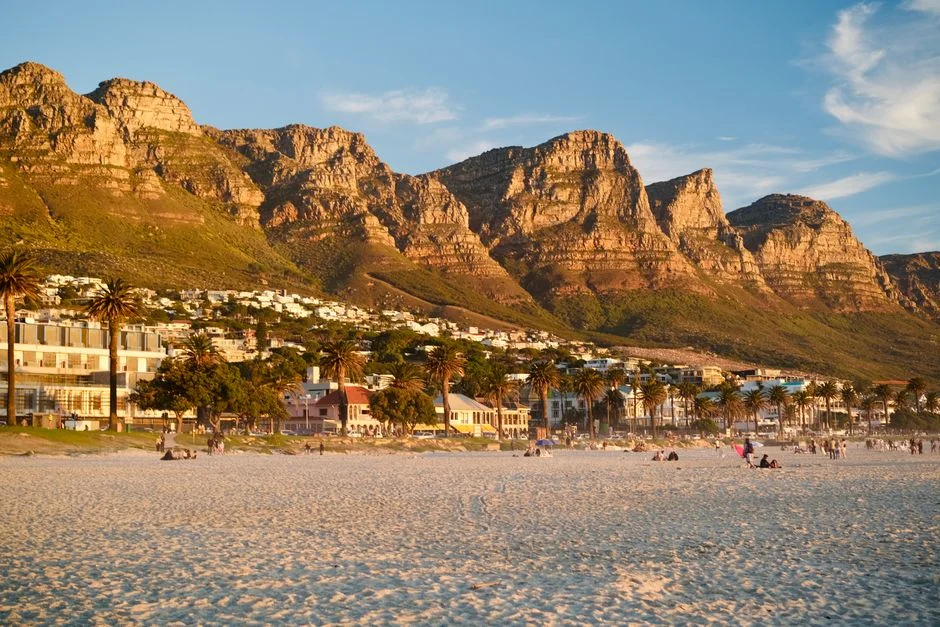
Severe storms have forced the sudden closure of key sections of Table Mountain National Park, sending shockwaves through Cape Town’s tourism-dependent economy. The Department of Forestry, Fisheries and the Environment confirmed that heavy rainfall and high winds have rendered several hiking trails and the cableway operational but precarious. This disruption comes at a critical juncture for the Western Cape, where visitor numbers were expected to surge during the peak summer season.
Tourism Sector Faces Immediate Revenue Shock
The tourism industry in Cape Town operates on a delicate balance of weather patterns and global traveler confidence. When Table Mountain, the city’s most iconic landmark, closes, the ripple effects are immediate and quantifiable. Hotels, restaurants, and transport services in the City Bowl and Camps Bay areas have already reported a noticeable dip in daily footfall. The loss of a single day of full operation can equate to hundreds of thousands of rand in lost revenue for the park and its surrounding businesses.

Business owners in the V&A Waterfront and Long Street corridors are bracing for a longer downturn if the weather systems persist. These establishments rely heavily on the "must-see" allure of the mountain to draw both international tourists and domestic weekenders. A prolonged closure disrupts the seasonal cash flow that many small enterprises depend on to survive the leaner winter months. The uncertainty creates a hesitant spending environment, where visitors may delay bookings or shorten their stays.
Investor Confidence and Market Reactions
Investors monitoring the South African tourism sector are watching this event closely for signs of structural vulnerability. While weather is often viewed as a force of nature, the frequency of severe storms in Cape Town is increasing due to broader climate trends. This trend poses a risk to asset valuations in the hospitality sector, particularly for properties located in the immediate vicinity of the mountain. Shareholders in listed hotel groups may see short-term volatility as earnings reports reflect the impact of reduced occupancy rates.
The broader market reaction highlights the interconnectedness of Cape Town’s economy with national economic health. Tourism is a primary export for South Africa, bringing in essential foreign currency reserves. Any disruption in this flow affects the Rand’s stability and influences inflationary pressures. Analysts are scrutinizing the resilience of local businesses and whether insurance models adequately cover climate-related operational interruptions. This scrutiny could lead to higher premium costs for tourism operators in the coming financial year.
Impact on Small Businesses and Employment
The economic strain is not limited to large hotel chains; it heavily impacts small and medium-sized enterprises (SMEs). Guide services, boutique cafes, and souvenir shops operate on thinner margins and have less liquidity to weather extended closures. For these businesses, a three-day closure can mean the difference between covering fixed costs and dipping into savings. This financial pressure can lead to temporary layoffs or reduced hours for seasonal staff, affecting household incomes in the Western Cape.
Employment in the tourism sector is highly sensitive to such disruptions. Many workers in Cape Town are employed on a contract basis, meaning their income stops the moment the gates close. This creates immediate purchasing power deficits in local communities, which in turn affects local retail and service providers. The economic multiplier effect works in reverse during these periods, slowing down local economic activity beyond just the park boundaries.
Infrastructure Strains and Maintenance Costs


Severe storms impose significant maintenance costs on the Department of Forestry, Fisheries and the Environment. Clearing fallen trees, repairing erosion on hiking trails, and ensuring the safety of the cableway infrastructure require immediate financial outlays. These are often unbudgeted expenses that can strain the national park’s annual operating budget. The cost of maintaining the mountain in a "tourist-ready" state is rising, which may influence future ticket pricing strategies.
Infrastructure resilience is a key concern for long-term investors in Cape Town. If the mountain’s accessibility is frequently compromised by weather, the city may need to invest more heavily in alternative attractions to diversify its tourism offering. This could include developing coastal trails or enhancing cultural heritage sites in the City Centre. Such investments require capital expenditure, which may come from municipal bonds or public-private partnerships, affecting the broader fiscal landscape of the Western Cape.
Broader Economic Implications for South Africa
The situation in Cape Town offers a microcosm of the broader economic challenges facing South Africa. As one of the country’s top economic hubs, the Western Cape’s performance has a disproportionate impact on national GDP growth. Disruptions in Cape Town’s tourism sector can dampen overall consumer confidence and spending across the region. This is particularly relevant as South Africa seeks to attract foreign direct investment and boost export earnings.
The reliance on a single iconic attraction also highlights a vulnerability in the city’s economic diversification strategy. While Cape Town is known for its wine routes and coastal beauty, Table Mountain remains the primary drawcard. This concentration of economic value in one geographic location means that weather events can have an outsized impact. Policymakers are increasingly looking at ways to spread tourism benefits more evenly across the province to mitigate such risks.
Climate Change and Future Risk Assessment
Climate change is no longer a distant threat but a present economic reality for Cape Town. The increasing frequency of severe weather events, including the recent storms that closed Table Mountain, underscores the need for adaptive strategies. Businesses and investors must factor in climate risk when making long-term decisions. This includes evaluating the durability of infrastructure and the potential for seasonal shifts in tourist arrivals.
The economic modeling of climate risk in Cape Town is becoming more sophisticated. Insurance companies are adjusting their models to account for higher probabilities of storm-related closures. This could lead to increased costs for tourism operators, which may be passed on to consumers in the form of higher prices. Understanding these dynamics is crucial for stakeholders who want to maintain the competitiveness of Cape Town as a global tourism destination.
What to Watch: Recovery and Policy Responses
The immediate focus for the Department of Forestry, Fisheries and the Environment is the speed of recovery. How quickly can trails be cleared and the cableway reopened? The timeline for reopening will determine the extent of the financial loss for the current season. Stakeholders are watching for official announcements regarding trail conditions and safety assessments, which will guide the return of visitors.
Looking ahead, policymakers in Cape Town are likely to review disaster management protocols and investment in tourism infrastructure. There may be calls for increased funding for maintenance and climate adaptation measures. Investors should monitor any policy changes that could affect the operational costs of tourism businesses. The response to this event will set a precedent for how Cape Town manages future climate-related disruptions, influencing long-term economic stability in the region.
See Also
- Luís Alves Wins Top Prize at Fantasporto Festival — What 'Cativos' Means for African Cinema
- Reform Council Approves Councillor Pay Rise Amid Public Outcry
Infrastructure resilience is a key concern for long-term investors in Cape Town. As one of the country’s top economic hubs, the Western Cape’s performance has a disproportionate impact on national GDP growth.
What is the latest news about cape town tourism revenues slump as table mountain closes?
Why does this matter for culture-arts?
What are the key facts about cape town tourism revenues slump as table mountain closes?