The global supply chain for premium tropical fruits faces a severe shock as the Malihabad region in India grapples with a dual threat of erratic weather patterns and geopolitical instability. This crisis directly impacts South African consumers and importers, who rely heavily on the high-quality Dussehri mango, a Geographical Indication (GI) tagged variety known for its rich aroma and sweetness. Markets are already reacting to the potential shortage, with early indicators suggesting a price surge that could ripple through the local retail sector.
Supply Chain Disruptions in Malihabad
The Malihabad district in Uttar Pradesh, India, is the epicenter of this agricultural turmoil. Known as the mango belt of India, this region produces a significant portion of the world’s premium Dussehri mangoes. However, recent weather anomalies have devastated early harvests, while distant war-related logistics issues have complicated export routes. The combination has created a bottleneck that is only beginning to show its full economic weight.
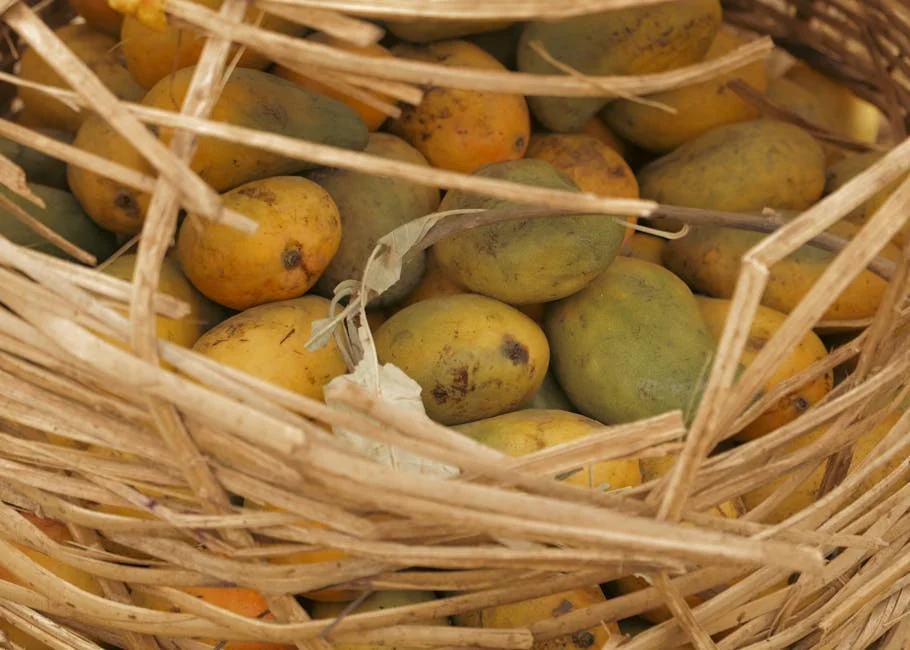
Local farmers report that unseasonal rains during the flowering stage have reduced yield estimates by nearly 30% compared to last year. This drop in volume comes at a critical time when global demand is rising. The logistical challenges stemming from regional conflicts have further delayed shipments, causing perishable goods to spend more time in cold storage, which affects quality and increases overhead costs for exporters.
Economic Impact on Exporters
Indian exporters are facing margin squeezes as freight costs rise and inventory turnover slows. Companies based in Delhi and Mumbai, which handle the bulk of the export volume, are renegotiating contracts to account for the uncertainty. This uncertainty is being passed down the supply chain, eventually reaching the point of sale in markets like South Africa. The financial strain on mid-sized export houses is particularly acute, as they lack the cash reserves of larger conglomerates to absorb the initial shocks.
Investors in the agricultural sector are closely monitoring these developments. The volatility in the Malihabad mango market serves as a microcosm for broader risks in global agri-commodities. As supply tightens, the bargaining power shifts from buyers to sellers, potentially leading to higher wholesale prices across the board. This trend is not isolated to mangoes but could signal a broader inflationary pressure on tropical fruit imports.
Implications for South African Markets
South Africa’s fruit market is highly sensitive to changes in global supply, particularly for premium varieties like the Dussehri mango. Importers in Johannesburg and Cape Town are already bracing for higher landed costs. The South African Rand’s fluctuation against the Indian Rupee adds another layer of complexity, meaning that even stable mango prices in India could translate to higher shelf prices in South Africa due to currency dynamics.
Supermarket chains in South Africa are known for their competitive pricing strategies, but a sustained supply shortage forces them to adjust. Consumers in major urban centers such as Pretoria and Durban may see price hikes of up to 15% for premium mangoes. This increase affects not just individual households but also the hospitality and juice processing industries, which rely on consistent supplies of high-quality fruit.
The impact extends beyond immediate pricing. South African businesses that use Malihabad mangoes as a key ingredient in their products face input cost inflation. This can erode profit margins or force companies to absorb costs, reducing their overall competitiveness. For investors tracking the FMCG sector in South Africa, this is a key variable to watch in the coming quarters.
Investment Perspective and Market Reactions


Financial markets are beginning to price in the risk associated with the Malihabad mango crisis. Agricultural commodities exchanges show increased volatility for mango futures, reflecting the uncertainty in supply. Investors are looking at this event as a case study in how climate change and geopolitical tensions converge to impact niche but high-value agricultural products.
For South African investors, this presents both a risk and an opportunity. Domestic fruit producers may benefit from the reduced competition from Indian imports, potentially allowing them to capture more market share. However, if the global price level rises significantly, it could also increase consumer demand for cheaper local alternatives, benefiting South African orchards in the Western Cape and KwaZulu-Natal regions.
The broader lesson for the investment community is the increasing importance of supply chain resilience. Companies that have diversified their sourcing strategies or invested in cold chain infrastructure are better positioned to weather such shocks. This event highlights the need for a more nuanced approach to agricultural investing, where climate and geopolitical risks are weighed alongside traditional financial metrics.
What to Watch Next
The situation in Malihabad is fluid, and the full economic impact will become clearer over the next few months. Investors and businesses should monitor the upcoming harvest reports from Uttar Pradesh, which will provide concrete data on yield recovery. Additionally, tracking changes in freight rates from Indian ports to South African docks will offer early signals of logistical easing or further congestion.
Regulatory bodies in both India and South Africa may introduce measures to stabilize the market, such as adjusting import duties or releasing strategic reserves. These policy decisions could significantly influence price trajectories. For now, the focus remains on the immediate supply constraints and their ripple effects on consumer prices and business margins across the continent.
See Also
- Cape Town Property Owners Face R5 Million Fines — Government Gets a Pass
- Nigeria Slams Vehicle Tax — Markets React to Revenue Service Shake-up
Consumers in major urban centers such as Pretoria and Durban may see price hikes of up to 15% for premium mangoes. South African businesses that use Malihabad mangoes as a key ingredient in their products face input cost inflation.
What is the latest news about malihabad mango crisis hits sa markets supply chain under siege?
Why does this matter for politics-governance?
What are the key facts about malihabad mango crisis hits sa markets supply chain under siege?