Dense fog and a sharp temperature swing have gripped the North West and Free State provinces, disrupting transport and agricultural operations across South Africa. This weather pattern is not merely a comfort issue for commuters; it represents a tangible risk to supply chains and commodity prices for investors watching the local markets. The sudden shift in atmospheric conditions has forced businesses to react quickly to mitigate losses.
Supply Chain Disruptions in Key Provinces
The North West province, a critical hub for platinum mining and agricultural production, faced severe visibility issues on Saturday morning. Major highways connecting Rustenburg to Johannesburg experienced slowdowns as drivers navigated thick fog banks that reduced visibility to less than fifty meters in some areas. This logistical bottleneck has immediate implications for just-in-time delivery models used by many local manufacturers.

Transport companies operating in the region reported delays that rippled through the broader logistics network. When trucks carrying raw materials or finished goods are held up, the cost of doing business rises. These incremental costs are often passed down the supply chain, affecting everything from mining output to retail inventory levels in major urban centers like Pretoria and Johannesburg.
The Free State, known as the breadbasket of South Africa, also felt the impact. Farmers in the region rely on precise weather windows for planting and harvesting. Unpredictable cold snaps can damage early crops, while persistent fog can delay mechanized harvesting, leading to higher labor costs and potential yield reductions. For agri-investors, these weather patterns are key indicators of future commodity price volatility.
Impact on Local Businesses and Commuters
Small and medium-sized enterprises in the affected areas are feeling the pressure of these disruptions. Retailers in towns like Mahikeng and Klerksdollar have seen fluctuations in customer footfall as commuters adjust their travel times. This shift in consumer behavior can affect daily revenue streams, particularly for service-oriented businesses that rely on steady weekday traffic.
The economic friction caused by weather is often underestimated in quarterly earnings reports. However, for businesses with thin margins, a few days of logistical chaos can mean the difference between profit and loss. Investors should monitor transport and logistics stocks closely, as these sectors are often the first to react to regional weather anomalies.
Agricultural Markets Under Pressure
The agricultural sector is particularly sensitive to weather changes in the North West and Free State. These provinces are crucial for the production of maize, wheat, and livestock. A sudden drop in temperature can affect pollination and growth rates, while fog can increase the risk of fungal diseases in crops. These factors directly influence the supply and demand dynamics for key agricultural commodities.
Market analysts are watching the weather forecasts closely to gauge potential impacts on food prices. If the fog and cold persist, there may be a slight upward pressure on grain prices in the coming months. This could have a ripple effect on the broader consumer price index, influencing inflation rates and monetary policy decisions by the South African Reserve Bank.
Investors in the agricultural sector need to consider these weather-related risks when evaluating portfolio performance. Diversification across different climatic zones can help mitigate the impact of localized weather events. Additionally, companies with strong hedging strategies may be better positioned to withstand the financial shocks caused by weather disruptions.
Investor Perspective on Weather Risks
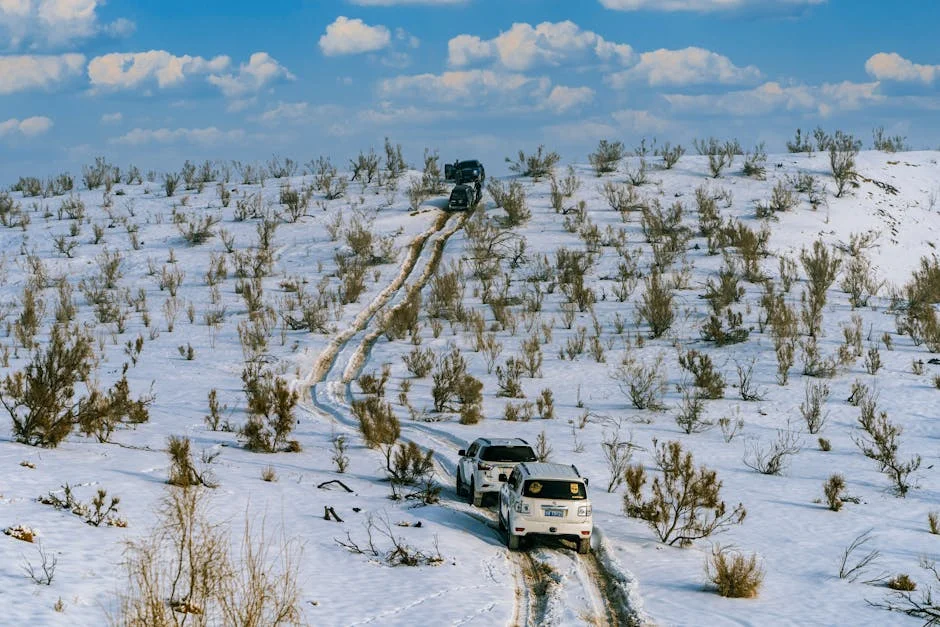

For investors, understanding the economic implications of weather patterns is essential for making informed decisions. The North West and Free State provinces contribute significantly to South Africa’s GDP, particularly through mining and agriculture. Any disruption in these sectors can have a measurable impact on the overall economic performance of the country.
Market reactions to weather events can be swift and sometimes unpredictable. Traders may adjust their positions based on short-term supply and demand shifts, leading to increased volatility in commodity markets. Long-term investors should look beyond the immediate fluctuations and consider the structural resilience of companies operating in weather-sensitive sectors.
The integration of weather data into financial models is becoming increasingly important. Advanced analytics can help investors predict potential disruptions and adjust their strategies accordingly. This proactive approach can provide a competitive edge in markets where information is key to success.
Economic Implications for South Africa
The broader economic implications of these weather events extend beyond the immediate disruptions. Persistent weather patterns can influence investment decisions, policy responses, and consumer confidence. For example, if agricultural output is consistently affected by weather, it may prompt government interventions such as subsidies or infrastructure improvements.
Businesses are also likely to adapt by investing in technology and infrastructure to mitigate weather-related risks. This could include improved forecasting tools, flexible supply chain management, and enhanced storage facilities. These investments can drive economic growth in the long term, even as they address short-term challenges.
The economic resilience of South Africa depends on its ability to adapt to changing environmental conditions. As climate patterns become more variable, the capacity of key sectors like mining and agriculture to withstand shocks will be critical. This adaptability will be a key factor in determining the country’s economic trajectory in the coming years.
What to Watch Next
Investors and businesses should monitor the upcoming weather forecasts for the North West and Free State provinces. The duration and intensity of the fog and cold will determine the extent of the economic impact. Additionally, keep an eye on commodity price movements and transport sector performance in the weeks following the weather event.
The South African Reserve Bank’s next monetary policy decision will also be influenced by inflationary pressures, which may be affected by weather-related supply chain disruptions. Policymakers will need to balance these factors against broader economic indicators to determine the appropriate course of action. This decision will have significant implications for interest rates and investment returns.
Finally, watch for announcements from key companies in the mining and agricultural sectors regarding their response to the weather disruptions. These insights will provide valuable information about the resilience of the supply chain and the potential for long-term economic impacts. Staying informed will help investors and businesses navigate the uncertainties posed by changing weather patterns.