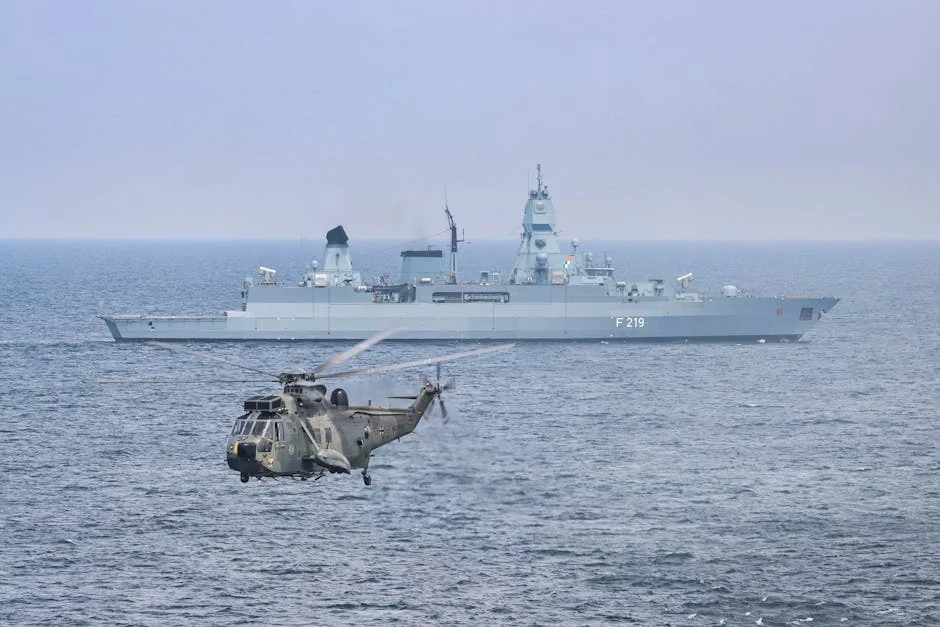
Oil prices have surged to $111 per barrel as heightened tensions in the Strait of Hormuz raise alarms among global markets. This strategic waterway, critical for global oil transportation, has become a focal point for geopolitical concerns, causing ripple effects across several economies, including South Africa.
Understanding the Strait of Hormuz
The Strait of Hormuz, a narrow passage connecting the Persian Gulf with the Gulf of Oman, is one of the most vital maritime chokepoints in the world. Approximately 20% of the world's petroleum passes through this strait, making it a critical artery for oil supply.
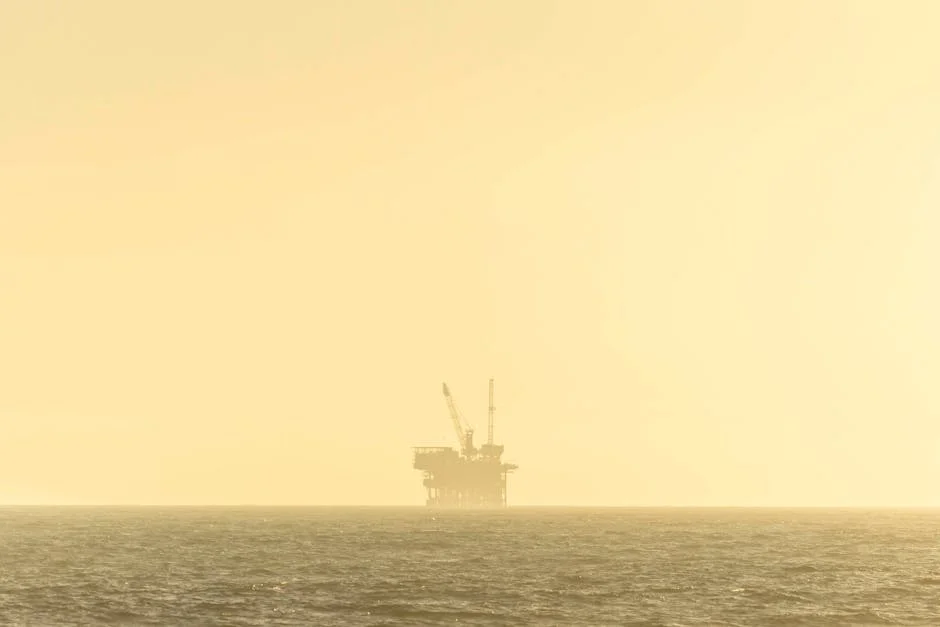
Recent developments have highlighted the vulnerabilities of this region. With tensions escalating, the potential for disruptions in oil supply has increased, leading to rising prices. This has prompted countries dependent on oil imports, such as South Africa, to reevaluate their energy security strategies.
The Impact on South Africa
South Africa, which relies heavily on oil imports, is particularly exposed to fluctuations in oil prices. The surge to $111 per barrel could have significant repercussions for the country's economy. Higher oil prices translate into increased costs for transportation and manufacturing, potentially leading to inflationary pressures.
According to *Sasol*, a leading energy and chemical company in South Africa, these price hikes could result in elevated operational costs and affect profit margins. Businesses that rely on oil as a critical input may face challenges in maintaining their competitive edge.
Investor Concerns and Market Reactions


Investors are closely monitoring the situation, as uncertainty in the Strait of Hormuz could impact market stability. The Johannesburg Stock Exchange has already exhibited signs of nervousness, with energy stocks experiencing heightened volatility.
Financial markets are likely to react to any developments in the region, with potential shifts in investment strategies. Investors might consider reallocating assets to hedge against potential risks associated with energy price fluctuations.
Looking Forward: What to Watch
As the situation in the Strait of Hormuz continues to evolve, stakeholders must remain vigilant. The key factors to watch include diplomatic efforts to de-escalate tensions, potential changes in oil supply routes, and any further geopolitical developments in the region.
For South African businesses and investors, staying informed about these dynamics is crucial. Monitoring energy market trends and considering alternative strategies for energy resilience will be essential in navigating the challenges posed by these global developments.
Businesses that rely on oil as a critical input may face challenges in maintaining their competitive edge.Investor Concerns and Market ReactionsInvestors are closely monitoring the situation, as uncertainty in the Strait of Hormuz could impact market stability. The key factors to watch include diplomatic efforts to de-escalate tensions, potential changes in oil supply routes, and any further geopolitical developments in the region.For South African businesses and investors, staying informed about these dynamics is crucial.