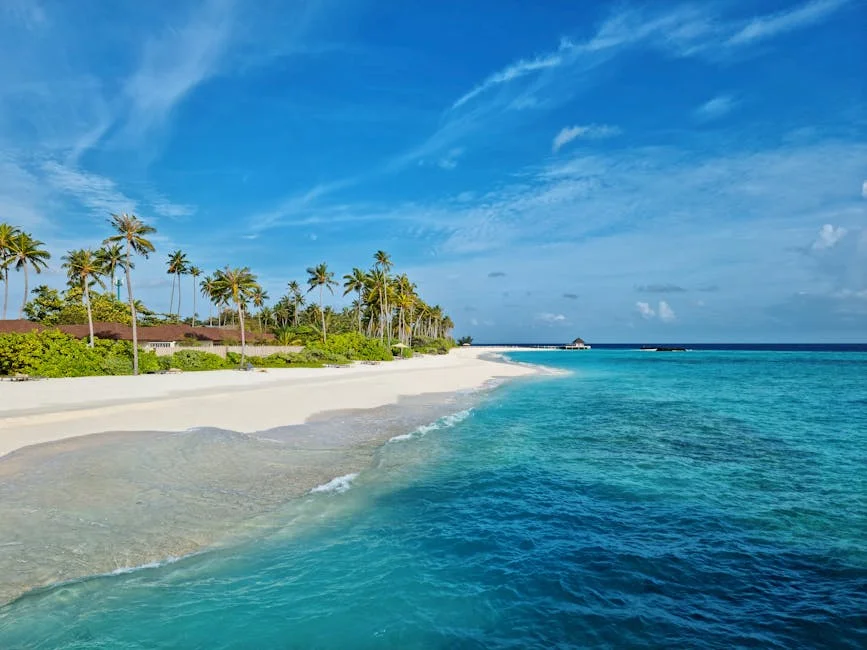
The Maldives, famously known for its picturesque beaches, is facing an economic challenge due to the absence of rivers. This geographical feature is not unique to the Maldives; it is shared by nine other countries, including Bahrain and Saudi Arabia. The lack of natural freshwater sources is driving up operational costs for businesses reliant on water, affecting both local and foreign investment.
Economies Without Rivers: A Historical Perspective
Historically, countries like the Maldives and those on the Arabian Peninsula have relied heavily on alternatives like desalination and rainwater harvesting to meet their water needs. In the Maldives, desalination plants have been pivotal. These facilities, however, come with high energy expenses, which are further exacerbated by global oil price fluctuations. This reliance on energy-intensive water production methods significantly impacts the cost structures of local businesses.
The absence of rivers has historically necessitated infrastructural investments in water management, using technology to compensate for natural deficiencies. This has been a critical factor influencing economic policies in these regions, with potential investors needing to consider the additional costs and resource management challenges.
The Economic Repercussions for Businesses
Businesses operating in riverless countries face unique challenges. The high cost of water procurement can deter foreign direct investment, as companies must allocate more resources to water-related expenses. For instance, the Maldives has seen water costs constitute a notable portion of business expenses, influencing profit margins. This makes it less attractive compared to regions with abundant natural water sources.
Furthermore, industries such as tourism, which is crucial for the Maldives, require substantial water use. Hotels and resorts need to maintain high standards of cleanliness and guest comfort, leading to increased water consumption. As these businesses encounter elevated operational costs, there is a subsequent impact on pricing and competitiveness in the global market.
Investor Considerations and Market Impact


Investors are increasingly factoring in water scarcity when evaluating opportunities in these regions. The World Bank has highlighted that water availability directly affects economic growth potential. Thus, countries without rivers are under considerable pressure to innovate water management solutions.
In the Maldives, the government has been proactive, launching initiatives to improve water efficiency and sustainability. These efforts aim to attract investment by demonstrating a commitment to addressing water scarcity. However, the economic implications remain a concern, as water management continues to be a significant consideration for potential investors.
Future Developments and What to Watch
Looking forward, the Maldives and other riverless nations are likely to pursue partnerships with technology firms specializing in water conservation and alternative sourcing. Projects focusing on renewable energy to power desalination plants could become more prevalent, potentially reducing costs in the long term.
Investors should keep an eye on policy developments in these countries, as governments may introduce incentives to offset water management challenges. Monitoring the global energy market will also be crucial, as shifts in oil prices can directly affect water production costs in these regions. The continued evolution of water management strategies will be pivotal in shaping the economic landscape of countries without rivers.
See Also
- Student Writes Movie Dialogues in Exam — Video Sparks National Debate
- Ronaldo's Son Scores Hat-Trick in Saudi League — Fans Demand Transfer Fee Raise