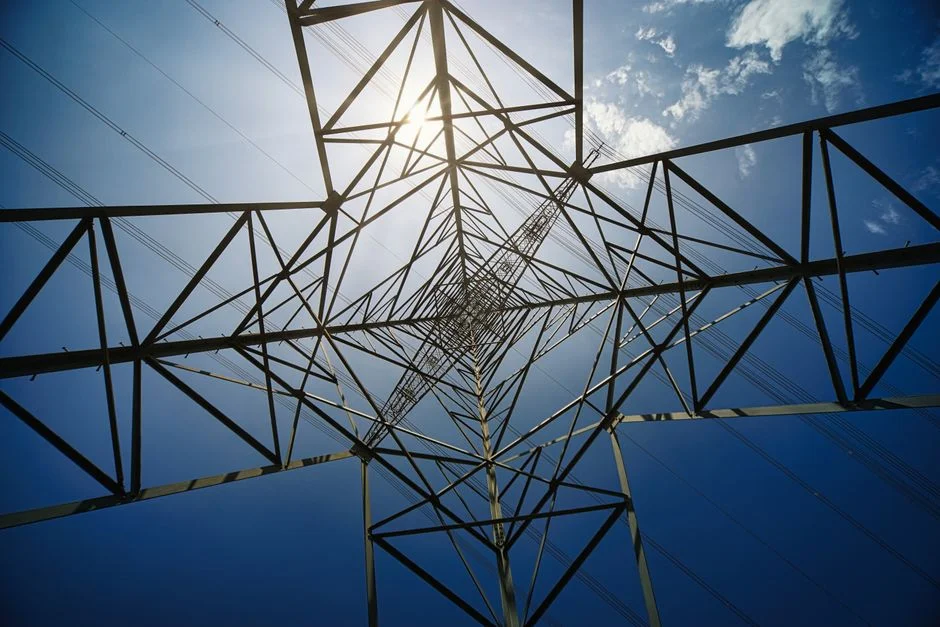
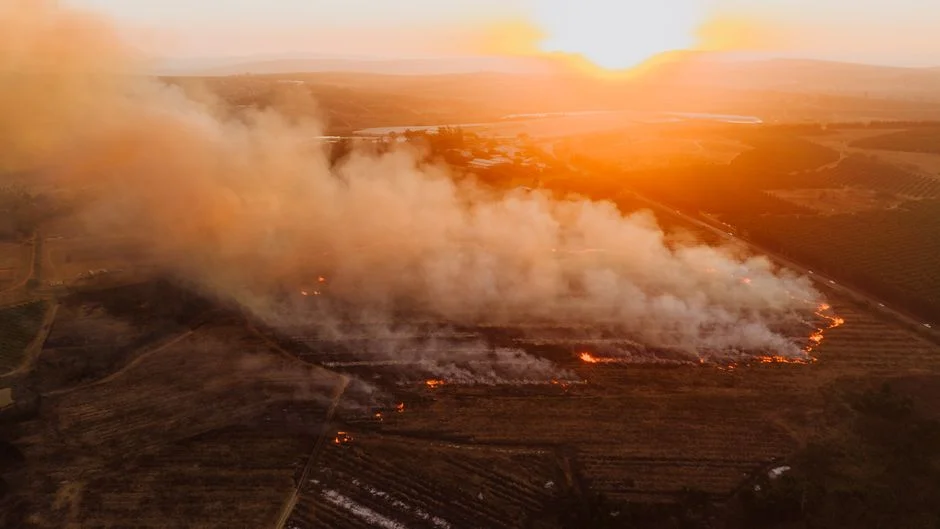
Brazil’s Ministry of Mines and Energy (MAI) has issued a dire warning about an upcoming summer marked by severe power shortages, citing a combination of low reservoir levels and rising demand. The forecast, released ahead of the peak energy season, has sparked concern among businesses, investors, and policymakers across the continent. The warning comes as the country grapples with one of its worst droughts in decades, threatening to disrupt economic activity and investment flows.
Power Shortages Trigger Economic Fears
The MAI reported that reservoirs in the southeast, the country’s economic hub, are at just 35% of capacity, the lowest level since 2015. This has led to fears of rolling blackouts and energy rationing, particularly in states like São Paulo and Minas Gerais. The agency warned that without immediate intervention, the situation could worsen, leading to higher electricity prices and reduced industrial output.
“This is a very serious situation,” said MAI Secretary of Energy, Paulo César Ribeiro. “We are preparing for the worst, and we are urging the public and private sectors to take this warning seriously.” The statement has already led to increased volatility in Brazil’s energy sector, with the Ibovespa index dropping 2.3% in early trading as investors brace for potential economic fallout.
Businesses Face Rising Costs and Uncertainty
Manufacturers and energy-dependent industries are already feeling the strain. Companies such as Vale, the world’s largest producer of iron ore, have warned that prolonged power cuts could disrupt mining operations and increase production costs. “If the energy crisis continues, we may have to scale back operations or pass on the costs to consumers,” said a Vale spokesperson.
Small and medium-sized enterprises (SMEs) are particularly vulnerable. In São Paulo, a survey by the Federation of Industries of the State of São Paulo (Fiesp) found that 68% of businesses are preparing for potential power outages, with many planning to invest in backup generators. This could further strain the economy, as SMEs account for over 70% of Brazil’s employment.
Investors Eyeing the Risks


Investors are closely monitoring the situation, with many reassessing their exposure to Brazil’s energy and infrastructure sectors. The International Energy Agency (IEA) has warned that the country’s reliance on hydroelectric power leaves it particularly exposed to climate shocks. “Brazil’s energy mix is not resilient enough to handle the increasing frequency of droughts,” said an IEA analyst.
Foreign investors, including major European and North American firms, are now considering diversifying their portfolios. The Brazilian real has already weakened by 4.7% against the US dollar this month, reflecting growing uncertainty. “This is a risk we can’t ignore,” said one portfolio manager at a London-based asset firm. “If the energy crisis worsens, it could have a ripple effect on the entire South American market.”
South Africa’s Economic Ties to Brazil
South African businesses and investors with exposure to Brazil’s energy sector are also taking note. The country’s trade with Brazil has grown by 12% over the past year, with significant investments in mining and agriculture. “Any instability in Brazil’s energy sector will directly impact South African companies operating there,” said Thandiwe Mbeki, an economist at the University of Cape Town.
South African power utility Eskom has also been watching the situation closely. With its own energy challenges, the company is considering increased collaboration with Brazilian firms to explore alternative energy solutions. “We are looking at opportunities to learn from Brazil’s experience and improve our own energy resilience,” said Eskom spokesperson, Sipho Mthembu.
Climate Change and Long-Term Implications
The crisis has also intensified calls for long-term climate action. Environmental groups are urging the Brazilian government to accelerate its transition to renewable energy sources. “This is not just an energy crisis; it’s a climate crisis,” said Ana Lúcia de Oliveira, director of the Institute for Climate and Society. “Without immediate action, these problems will only get worse.”
The MAI has announced plans to fast-track wind and solar projects, but experts warn that it will take years to make a meaningful impact. “We are playing catch-up,” said an energy consultant based in Rio de Janeiro. “The window for action is closing.”
The coming weeks will be critical. If the drought persists and energy reserves remain low, the Brazilian government may be forced to implement emergency measures, including higher tariffs and rationing. Investors and businesses across South Africa and beyond will be watching closely, as the ripple effects of this crisis continue to unfold.
See Also
- Angola's Opposition Unites for External Bodies Amid Political Tensions
- Heng Zeng An Jailed for Drink Driving, Sparks Safety Debate in South Africa
“Without immediate action, these problems will only get worse.” The MAI has announced plans to fast-track wind and solar projects, but experts warn that it will take years to make a meaningful impact. Foreign investors, including major European and North American firms, are now considering diversifying their portfolios.