China has unveiled a new diplomatic initiative aimed at stabilising the Gulf region, as tensions between regional powers continue to escalate. The proposal, announced by the Chinese Ministry of Foreign Affairs, includes a framework for renewed dialogue between the United States and Iran, following recent escalations in the area. The move comes amid growing concerns over the economic and geopolitical ramifications of the crisis.
China’s Diplomatic Push in the Gulf
The Chinese government has positioned itself as a neutral mediator in the Gulf, seeking to ease rising tensions between the US and Iran. The plan, outlined in a statement by Foreign Minister Wang Yi, proposes a series of confidence-building measures, including a temporary ceasefire and a commitment to non-aggression. The initiative is seen as a strategic effort to expand China’s influence in the region, where it has deepening economic ties with several Gulf states.
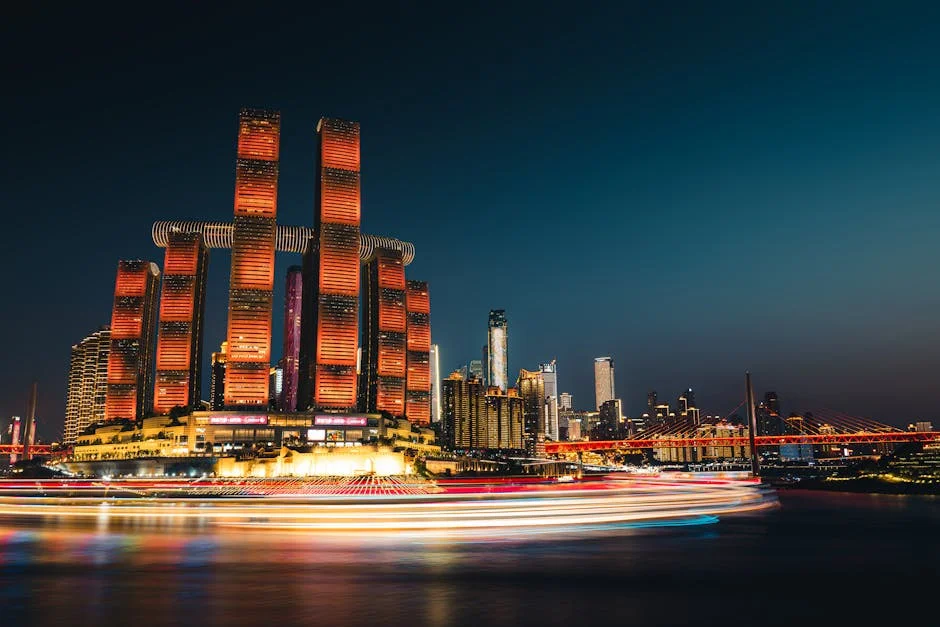
China’s involvement in the Gulf is not new. The country has invested heavily in infrastructure and energy projects across the region, with Saudi Arabia and the UAE being major partners. According to a 2023 report by the China Institute of International Studies, China’s trade with Gulf countries exceeded $200 billion in 2022, underscoring the economic stakes involved. Analysts say the new proposal reflects Beijing’s broader goal of reducing Western influence in the region.
Regional and Global Economic Implications
The Gulf region is a critical hub for global trade and energy supply. Any prolonged conflict or instability could disrupt oil prices and shipping routes, affecting markets worldwide. In recent weeks, oil prices have surged by over 8% due to fears of supply disruptions, according to the International Energy Agency. Investors are closely watching the situation, with many shifting funds to safer assets like gold and government bonds.
For South Africa, the Gulf’s stability is vital. The country relies heavily on exports to the region, particularly in the agricultural and mineral sectors. A 2023 report by the South African Reserve Bank highlighted that trade with the Gulf accounted for nearly 10% of total exports. Any disruption could hit the local economy hard, especially as inflation remains a key concern.
Businesses and Investors Navigate Uncertainty

Companies operating in the Gulf are already adjusting their strategies in response to the escalating tensions. Multinational firms, including energy giants like ExxonMobil and Shell, have warned of potential supply chain disruptions. In a recent statement, Shell’s CEO said, “We are closely monitoring the situation and preparing for various scenarios.”
Investors are also recalibrating their portfolios. The South African stock market has seen increased volatility, with the JSE All Share Index fluctuating by over 2% in recent weeks. According to market analysts at Investec, “The uncertainty in the Gulf is adding to global market anxiety, and South African investors are being cautious.”
What’s Next for the Gulf and Beyond
The success of China’s proposal will depend on the willingness of the US and Iran to engage in dialogue. While the US has not yet responded to the offer, Iranian officials have expressed cautious optimism. “We are open to any initiative that promotes stability,” said Iranian Foreign Ministry spokesperson Nasser Kanaani in a recent statement.
Regional stakeholders, including the Gulf Cooperation Council (GCC), are also monitoring the situation closely. A key test will come in the coming weeks, as the GCC prepares for its annual summit in Riyadh. Analysts suggest that the outcome of the summit could determine the next phase of diplomatic efforts.
As markets and businesses brace for potential shifts, the coming weeks will be crucial. Investors are advised to stay informed, while policymakers in South Africa and beyond must prepare for a range of possible outcomes. The Gulf’s stability remains a linchpin for global economic health, and China’s role in the region is only set to grow.
See Also
- Cong Government Faces Criticism for Double Standards in Project Execution
- South Africa Launches Artemis Partnership for Space Innovation
Any disruption could hit the local economy hard, especially as inflation remains a key concern. Analysts suggest that the outcome of the summit could determine the next phase of diplomatic efforts.
What is the latest news about china proposes gulf peace plan as tensions rise?
Why does this matter for economy-business?
What are the key facts about china proposes gulf peace plan as tensions rise?