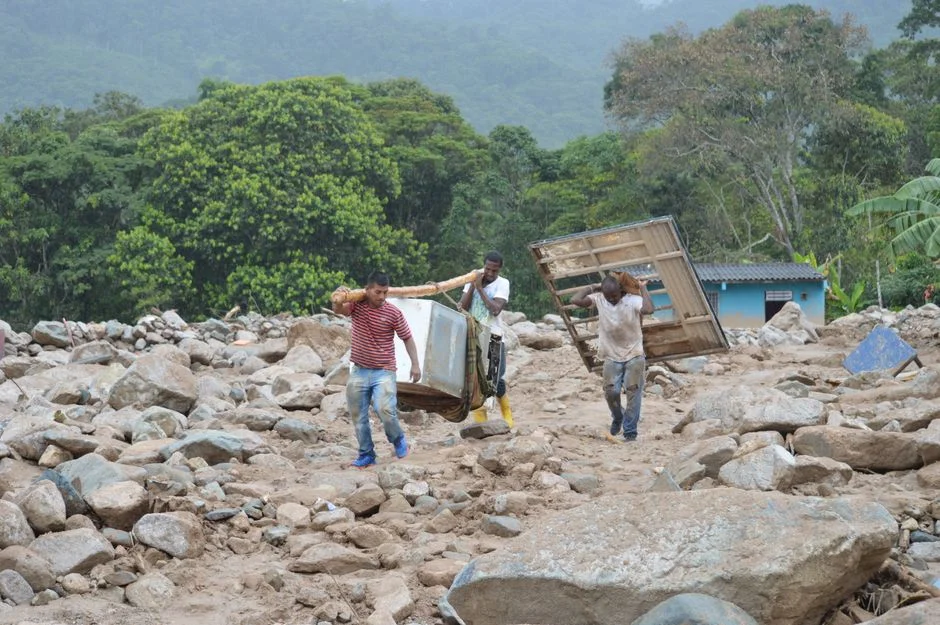
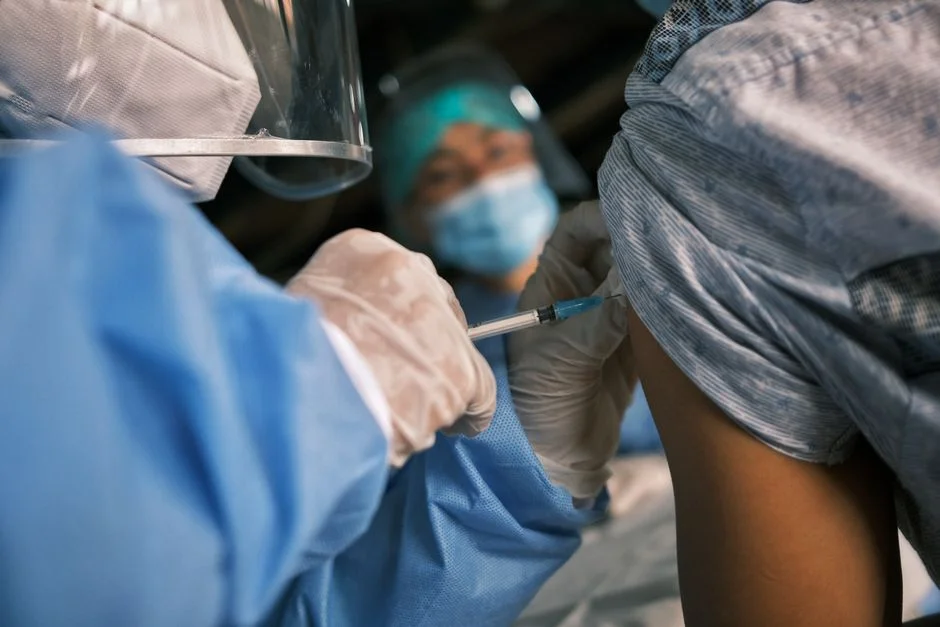
As reports surface of rising Ebola cases in the Democratic Republic of the Congo (DRC), the Guardian's Annie Kelly emphasises the urgent need for global monitoring. The latest figures indicate a rise from 3,500 suspected cases in January to over 5,000 reported this month. This surge has raised alarms about a potential crisis reminiscent of the epidemic that struck West Africa in 2014.
Rising Cases and Economic Concerns
Officials in the DRC confirmed that the country is experiencing its most severe outbreak since 2018. The Ministry of Health noted at least 200 confirmed cases in the current outbreak, with a mortality rate surpassing 40%. The sharp rise in infections has immediate repercussions for local economies heavily reliant on tourism and agriculture.
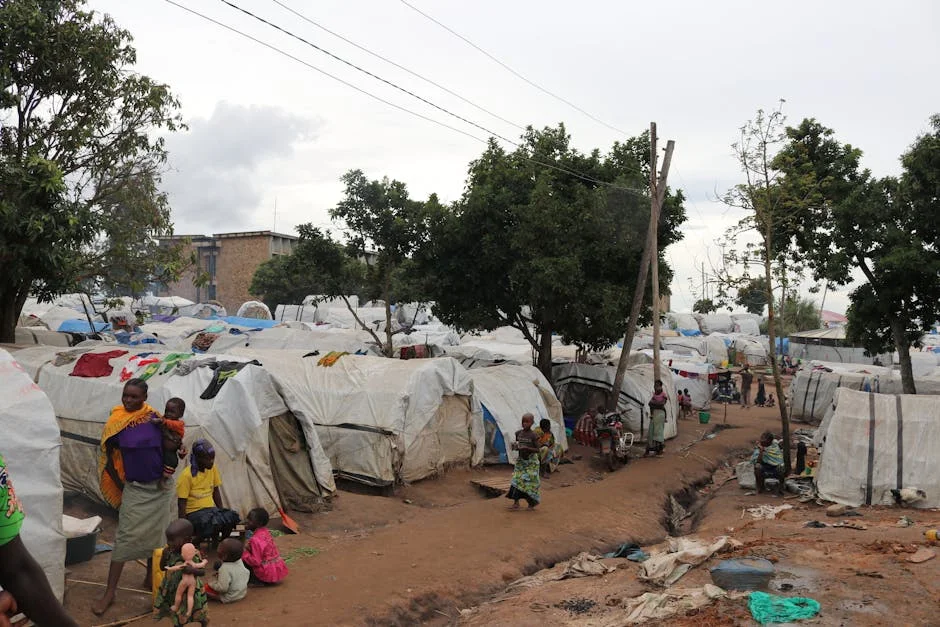
Declining confidence in the DRC's healthcare system has triggered market instability, affecting businesses that depend on the region's agricultural exports. Companies in sectors such as mining and agriculture are bracing for possible disruptions as fear around the disease spreads.
International Response and Market Reactions
The World Health Organisation (WHO) has stepped up its response, deploying additional resources to combat the spread of the virus. Analysts predict that heightened attention from global health bodies could impact investor sentiment, with stock prices for companies linked to the region showing volatility. On Wednesday, shares in mining companies such as Glencore fell by 3% amid fears of operational disruptions.
Investors should also watch for liquidity constraints that may arise if the outbreak worsens, potentially leading to a broader economic downturn in the central African region. Risk assessments are being updated to reflect changing conditions, with some investors reallocating assets to safer havens.
Impact on South African Markets

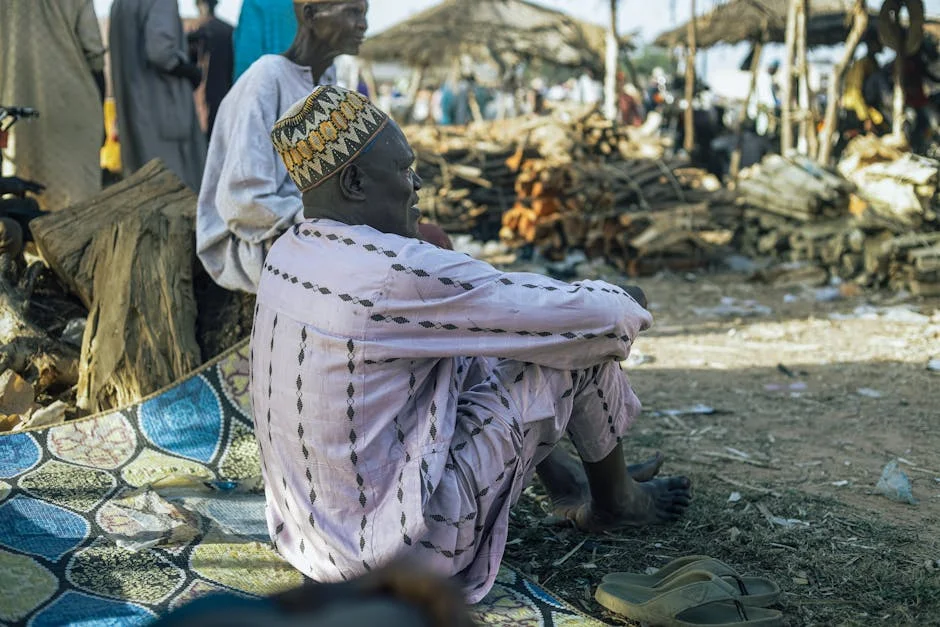
South Africa's economy, with its close trading ties to the DRC, is not immune to these developments. The current health crisis could influence the Rand's performance against major currencies as investors weigh the implications of a potential outbreak on regional trade flows.
Should the outbreak escalate, South African businesses in the transport and logistics sectors face increased operational risks, particularly those facilitating trade with the DRC. Transport costs may rise as safety protocols are tightened to mitigate contagion risks, possibly leading to higher consumer prices.
Monitoring the Situation
Health officials and businesses are keeping a close eye on the situation. The Guardian's report suggests that ongoing public health campaigns will be crucial in managing the outbreak. With elections in the DRC scheduled for 2024, the stability of the current government and its capacity to deal with health crises will also come under scrutiny.
What to Expect Next
The next few weeks will be critical in determining the trajectory of the outbreak. Increased case numbers could lead to further restrictions on movement and trade, particularly across borders. Stakeholders in finance and trade are encouraged to stay updated on developments, focusing on health advisories issued by local and international health authorities.
As this situation unfolds, the call for robust health security measures becomes more pressing. Observers are urged to prepare for potentially rapid changes in the economic landscape that could emerge if the outbreak is not contained swiftly.
See Also
- Aboriginal Leader Rhoda Roberts Dies, Leaving Lasting Impact on South Africa
- Gauteng Health Crisis Exposes Black Market Injection Boom