As Australians prepare for the Easter weekend, the Bureau of Meteorology (BoM) has announced a forecast of calm weather across most regions. However, meteorologists are closely monitoring the possibility of a developing cyclone that could impact the eastern coast, creating uncertainty for holiday plans.

Calm Conditions Across Australia

The BoM predicts settled weather for the Easter holiday, with mild temperatures and clear skies expected in areas such as Sydney, Melbourne, and Brisbane. This forecast comes as Australians look forward to outdoor activities, family gatherings, and travel during one of the busiest holiday periods of the year.

Bureau of Meteorology Forecasts Calm Easter Weekend — Cyclone Watch Looms — Economy Business
Economy & Business · Bureau of Meteorology Forecasts Calm Easter Weekend — Cyclone Watch Looms

Regions in the northern parts of the country, particularly Queensland, have been experiencing a rainy season. While the current forecast offers a brief respite, the potential for a cyclone to develop poses a significant concern for local communities and the tourism sector.

Potential Cyclone Threat on the Horizon

As families enjoy their Easter festivities, the BoM has issued alerts regarding a cyclone that could form in the Coral Sea. The organisation notes that while there is no immediate threat, the situation will be closely monitored as conditions evolve.

The forecast cyclone could disrupt travel plans and have implications for local economies that rely heavily on Easter tourism. The uncertainty surrounding this weather development adds a layer of complexity for Australians and raises questions about disaster preparedness in vulnerable regions.

Weather's Broader Impact on African Development

This situation underscores the significance of meteorological developments, not only in Australia but also in Africa. As the continent grapples with climate change's effects, understanding weather patterns becomes crucial for agricultural planning, infrastructure development, and health initiatives.

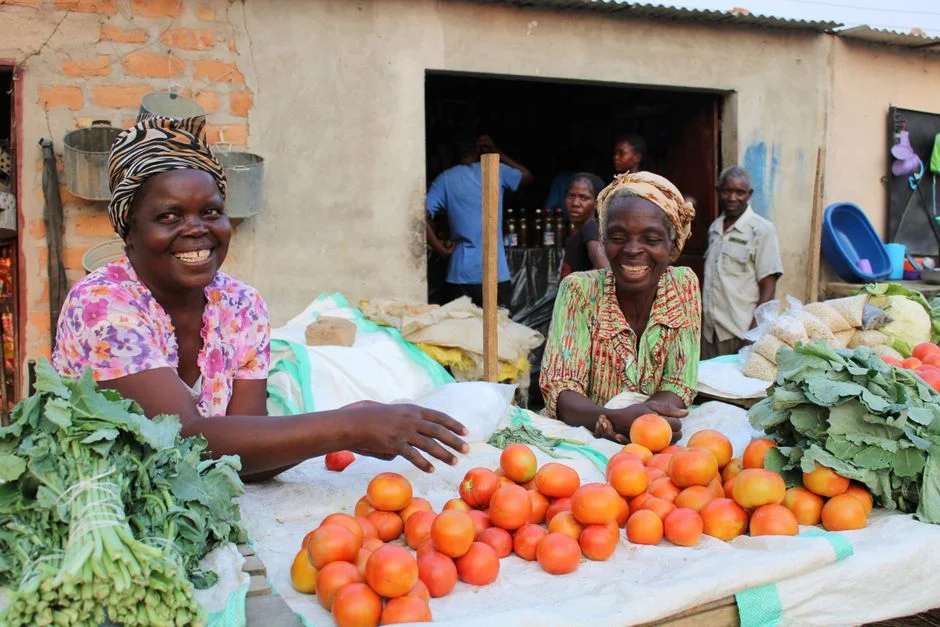
For example, in southern Africa, erratic weather patterns have been linked to food security challenges. With many regions relying on predictable seasonal rains for crop production, fluctuations can lead to harvest failures and increased food prices, affecting millions.

Opportunities for Improved Collaboration

The ongoing monitoring of weather systems highlights the need for strengthened regional collaboration in meteorology. African nations can learn from Australia's approach to weather forecasting and disaster preparedness. By investing in technology and infrastructure, African countries can improve their responses to adverse weather conditions.

Moreover, enhancing meteorological services can empower farmers with timely information, allowing them to make informed decisions that align with agricultural goals. This is especially important as Africa seeks to achieve its development goals while addressing climate challenges.

Conclusion: A Global Perspective on Weather

As Australians enjoy a calm Easter weekend, the potential cyclone serves as a reminder of the unpredictability of nature. For Africa, the challenges presented by climate change and weather variability offer both risks and opportunities for development. By fostering a comprehensive understanding of meteorology, countries can work towards building resilience against the impacts of climate change, ensuring a more secure future for their populations.

See Also

Sipho Dlamini
Author
Sipho Dlamini is a business and economics journalist based in Johannesburg, covering South Africa's financial markets, corporate sector, and infrastructure challenges. With more than a decade of experience reporting on the JSE, load shedding crises, and the country's evolving labour market, he brings rigorous analysis to complex economic stories.

Sipho has contributed to national business publications and regional financial media, focusing on how macroeconomic policy, energy security, and state-owned enterprise reform affect businesses and households across South Africa. He holds a degree in economics from the University of the Witwatersrand.