Over 15,000 Congolese refugees are enduring severe hardship in Burundi’s Busuma camp, where overcrowding, limited resources, and deteriorating conditions have sparked urgent concerns. The camp, located near the Democratic Republic of Congo (DRC) border, has become a focal point of the region’s escalating displacement crisis, reflecting broader challenges in African development and regional stability. The influx, driven by violence and economic collapse in the DRC, highlights the fragile link between humanitarian aid, governance, and sustainable growth across the continent.

Overcrowding and Resource Depletion

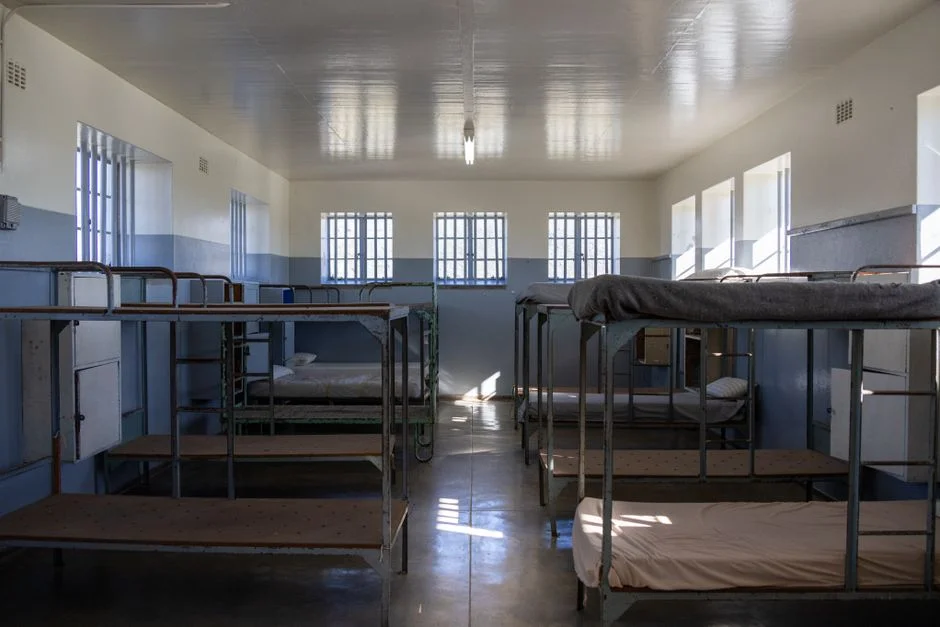
Busuma camp, designed to hold 5,000 people, now shelters over 15,000 refugees, according to the United Nations High Commissioner for Refugees (UNHCR). Sporadic clashes between armed groups in the DRC’s eastern provinces, particularly in North Kivu, have forced families to flee, exacerbating the camp’s strain. “The infrastructure is collapsing,” said a local aid worker, who requested anonymity. “There is no clean water for 80% of residents, and food rations are insufficient.” The camp’s health facilities, overwhelmed by malnutrition and disease outbreaks, struggle to meet basic needs.

DR Congo Refugees Struggle in Overcrowded Burundi Camp — Economy Business
Economy & Business · DR Congo Refugees Struggle in Overcrowded Burundi Camp

The DRC’s ongoing conflict, which has displaced over 7 million people since 2021, underscores systemic challenges in African development. Despite regional efforts like the African Union’s peace initiatives, fragile governance and resource mismanagement in the DRC have hindered progress. Busuma’s crisis illustrates how cross-border displacement tests the resilience of African nations, many of which lack the capacity to address such emergencies without international support.

Humanitarian Response and Gaps

International organizations, including the World Food Programme (WFP) and Médecins Sans Frontières (MSF), have scaled up aid to Busuma. However, funding shortfalls and logistical hurdles persist. The WFP reported a 40% gap in its 2024 emergency budget for the region, leaving many refugees without consistent food supplies. “We’re providing emergency aid, but this is not a long-term solution,” said a WFP spokesperson. “The root causes—conflict, poverty, and weak institutions—must be addressed.”

Busuma’s plight also highlights disparities in Africa’s development trajectory. While the African Union’s Agenda 2063 emphasizes regional integration and conflict resolution, implementation remains uneven. Burundi, a member state, faces its own economic challenges, including a 3.5% GDP contraction in 2023, limiting its ability to absorb refugees. The camp’s struggles reflect a broader tension between national sovereignty and collective responsibility in addressing cross-border crises.

Regional Implications for African Development

The Busuma crisis has broader implications for Africa’s development goals. The United Nations Sustainable Development Goals (SDGs), particularly Goal 11 (sustainable cities) and Goal 16 (peace, justice, and strong institutions), are directly threatened by such displacement. Overcrowded camps like Busuma undermine efforts to build resilient communities, as refugees often lack access to education, healthcare, and stable livelihoods. “This is a wake-up call,” said Dr. Naledi Pandor, a South African development analyst. “Without investing in regional stability, Africa’s progress will remain fragmented.”

Busuma also underscores the need for improved infrastructure and governance. The camp’s location in Burundi’s Kayanza Province, a region with limited roads and electricity, complicates aid delivery. African leaders must prioritize investments in transportation, energy, and digital systems to enhance resilience. As the African Development Bank (AfDB) notes, infrastructure gaps cost the continent 2% of its annual GDP, exacerbating vulnerabilities in crises like this.

Looking Ahead: A Call for Coordinated Action

Experts urge a multifaceted approach to address Busuma’s crisis. This includes increasing funding for humanitarian agencies, strengthening regional cooperation, and tackling the root causes of displacement in the DRC. The East African Community (EAC) has pledged to enhance cross-border coordination, but implementation remains slow. “We need a unified strategy that combines immediate aid with long-term development,” said a senior EAC official.

For en-ZA readers, the Busuma crisis is a stark reminder of the interconnectedness of African nations. As the continent strives to achieve Agenda 2063, the plight of Congolese refugees in Burundi highlights the urgent need for solidarity. Without addressing these challenges, Africa’s development goals risk remaining aspirational rather than achievable. The international community must now act to ensure that Busuma’s refugees are not forgotten in the broader narrative of African progress.

See Also

Poll
Will this news affect your daily life?
Yes52%
No48%
731 votes
FAQ
What is the latest news about dr congo refugees struggle in overcrowded burundi camp?
Over 15,000 Congolese refugees are enduring severe hardship in Burundi’s Busuma camp, where overcrowding, limited resources, and deteriorating conditions have sparked urgent concerns.
Why does this matter for economy-business?
The influx, driven by violence and economic collapse in the DRC, highlights the fragile link between humanitarian aid, governance, and sustainable growth across the continent.
What are the key facts about dr congo refugees struggle in overcrowded burundi camp?
Sporadic clashes between armed groups in the DRC’s eastern provinces, particularly in North Kivu, have forced families to flee, exacerbating the camp’s strain.
Sipho Dlamini
Author
Sipho Dlamini is a business and economics journalist based in Johannesburg, covering South Africa's financial markets, corporate sector, and infrastructure challenges. With more than a decade of experience reporting on the JSE, load shedding crises, and the country's evolving labour market, he brings rigorous analysis to complex economic stories.

Sipho has contributed to national business publications and regional financial media, focusing on how macroeconomic policy, energy security, and state-owned enterprise reform affect businesses and households across South Africa. He holds a degree in economics from the University of the Witwatersrand.