In a stark warning this December, researchers revealed that the hunger crisis in West and Central Africa is set to worsen, affecting millions in the region. This alarming trend, highlighted by researcher Kirui Oliver Kiptoo and echoed by Chibuzo Nwagbosu, calls for immediate and robust intervention to avert a humanitarian disaster.

Catastrophic Food Insecurity Looms

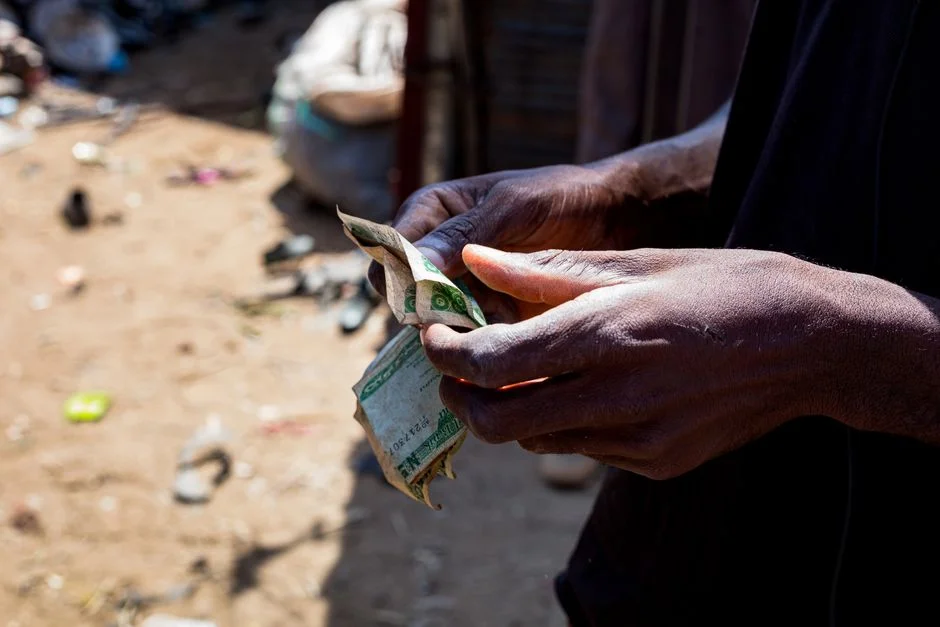
The Food and Agriculture Organization (FAO) has reported a dramatic increase in food insecurity across West and Central Africa. As of December 2023, over 40 million people are anticipated to face severe hunger, exacerbated by multiple factors including climate change, armed conflicts, and economic instability. Countries like Nigeria, Chad, and the Central African Republic are among the hardest hit, with displacement and violence further threatening agricultural productivity.

Researchers Warn Hunger Crisis Will Worsen in West and Central Africa: Urgent Action Needed — Economy Business
Economy & Business · Researchers Warn Hunger Crisis Will Worsen in West and Central Africa: Urgent Action Needed

Contributing Factors to the Crisis

The ongoing conflict in regions such as the Sahel and the impact of climate-induced droughts have severely hindered food production. Chibuzo Nwagbosu emphasised that 'the combination of these crises has created an environment where basic needs are not being met, leading to alarming levels of hunger.' In addition, the economic repercussions of the COVID-19 pandemic continue to affect livelihoods, making it even more challenging for families to secure adequate food.

Impact on African Development Goals

This escalating crisis poses a direct threat to the African Union's Agenda 2063, particularly the aspiration to end hunger and ensure food security across the continent. The interplay between governance issues, healthcare, and infrastructure development is evident, as regions without stable governance struggle to implement effective agricultural policies or provide health services to those in need.

Opportunities for Intervention

Despite these challenges, experts see opportunities for collaborative efforts among African nations and international partners. Implementing sustainable agricultural practices, enhancing infrastructure for food distribution, and investing in education about nutrition can lead to long-term solutions. Kirui Oliver Kiptoo highlighted that 'with the right focus on development and governance, we can turn this crisis into an opportunity for meaningful change.'

What Comes Next?

As the situation develops, stakeholders in West and Central Africa must take immediate action to address the root causes of the hunger crisis. This includes fostering regional cooperation, increasing funding for agricultural development, and ensuring that humanitarian aid reaches those most in need. The international community's support will be crucial in mitigating the impacts of this crisis and helping affected countries meet their development goals.

See Also

Poll
Will this news affect your daily life?
Yes71%
No29%
253 votes
Sipho Dlamini
Author
Sipho Dlamini is a business and economics journalist based in Johannesburg, covering South Africa's financial markets, corporate sector, and infrastructure challenges. With more than a decade of experience reporting on the JSE, load shedding crises, and the country's evolving labour market, he brings rigorous analysis to complex economic stories.

Sipho has contributed to national business publications and regional financial media, focusing on how macroeconomic policy, energy security, and state-owned enterprise reform affect businesses and households across South Africa. He holds a degree in economics from the University of the Witwatersrand.