Rwanda has confirmed a deal to host a Formula 1 race in the early 2030s, marking the sport's return to the continent. The agreement has triggered accusations of sportswashing against the East African nation as it seeks to elevate its global profile.
Rwanda's Formula 1 Expansion and Regional Implications
The East African nation secured the rights to stage a Grand Prix event, positioning itself as the gateway for Formula 1's return to Africa. This development signals a major shift in the sport's geographic footprint, moving beyond traditional European and Asian hubs. The timing aligns with the early 2030s, giving the host nation several years to prepare its infrastructure for the high-speed circuit requirements.
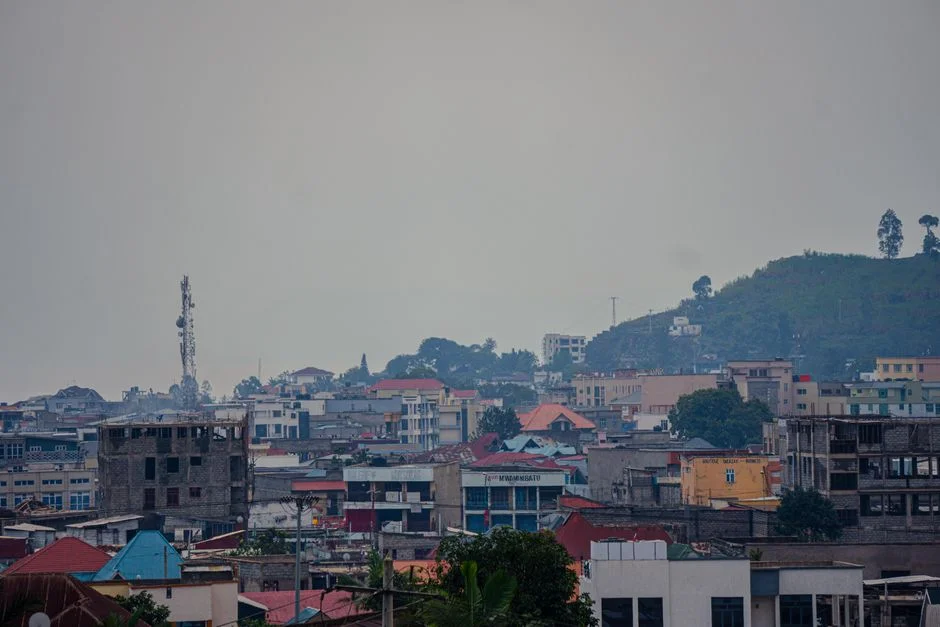
Accusations of sportswashing have emerged swiftly following the announcement. Critics argue that the government is using the high-profile sporting event to distract from domestic political issues and improve its international image. This strategy mirrors approaches taken by other nations seeking to rebrand their global standing through major sporting investments.
For South African readers, the Rwanda impact on South Africa extends beyond mere sporting curiosity. The country's proximity and economic ties mean that infrastructure developments in Kigali could influence regional logistics and business opportunities. South African firms may find new avenues for contracting and supply chain involvement as the host nation prepares for the influx of visitors and media.
The Rwanda analysis South Africa context reveals a broader trend of African nations leveraging sports for economic diversification. While the financial outlay for hosting a Grand Prix is substantial, the potential for tourism and foreign direct investment offers a compelling alternative to traditional resource-based economies. This shift could reshape how South African investors view opportunities in East Africa.
How Rwanda affects South Africa in the sports sector is primarily through competitive dynamics. The presence of a premier racing series in the region may draw attention and funding away from other African sporting events. Local businesses and sponsors might need to reassess their strategies to remain relevant in a changing continental sports landscape.
Africa latest news often highlights infrastructure challenges, and Rwanda's F1 deal is no exception. The construction of a dedicated circuit requires significant land acquisition, road networks, and utility upgrades. These developments could serve as a model for future large-scale projects in the region, potentially influencing South African infrastructure planning and standards.
Africa sports update reports indicate that Formula 1's return is a rare occurrence, making this deal particularly significant. The sport's global reach ensures that the event will be broadcast to millions, providing unprecedented visibility for the host nation. This exposure could enhance Rwanda's appeal as a business destination, attracting investors who value stability and modern infrastructure.
Why Africa matters in the context of global sports is increasingly evident. The continent's growing middle class and digital connectivity make it an attractive market for international brands. Rwanda's move to secure a Grand Prix demonstrates a strategic understanding of this potential, leveraging sports to tap into broader economic trends.
The controversy surrounding the deal highlights the tension between economic ambition and political perception. While the government touts the benefits of tourism and investment, critics point to the cost and the timing of the announcement. This debate is likely to continue as the construction phase begins and the financial details become clearer.
South African observers will watch closely to see how Rwanda manages the logistical challenges of hosting a global event. The success or failure of the race could set a precedent for other African nations considering similar ventures. The outcome will likely influence regional investment flows and diplomatic relations.
As the early 2030s approach, the focus will shift from announcement to execution. The next phase involves detailed planning, contractor selection, and community engagement. Stakeholders will monitor progress reports and budget allocations to gauge the project's viability.
Readers should watch for updates on circuit design and venue selection in the coming months. The final decision on the race date and schedule will provide further clarity on the project's timeline. Interest in the deal is expected to grow as the construction phase begins and international media coverage increases.
See Also
- Ministers Warn Africa's Girls' School Dropout Gap Costs Economies Dear
- South Africa Faces South Korea in World Cup Tie — Economic Stakes Run Into the Billions