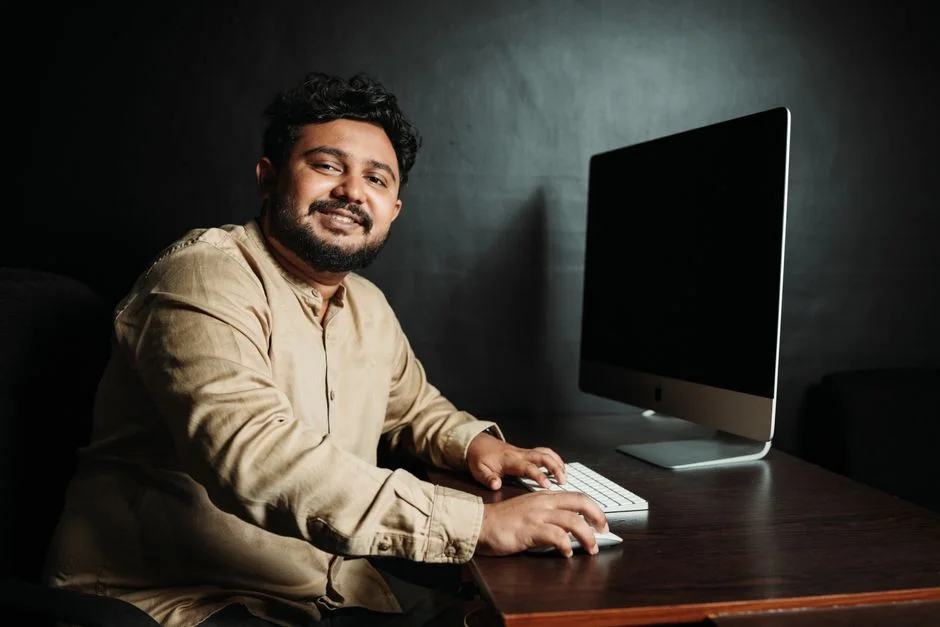
As South Africa finds itself at the epicentre of a global race for tech talent, Australia, Saudi Arabia, and several European nations are vying for its skilled workforce. This competition, which intensified in late 2023, raises significant questions about South Africa's role in the international tech landscape and its implications for local development.

Why Global Powers Are Eyeing South Africa's Talent

In recent months, prominent nations have launched initiatives aimed at attracting South African tech professionals. Australia has unveiled a new visa programme specifically targeting tech workers, while Saudi Arabia has promised lucrative contracts and modern work environments in its burgeoning tech sector. European countries, including Germany and the Netherlands, have ramped up recruitment campaigns, offering enticing opportunities for skilled South Africans.

Australia, Saudi Arabia, and Europe Battle for South Africa's Tech Talent: Here's Why It Matters — Economy Business
Economy & Business · Australia, Saudi Arabia, and Europe Battle for South Africa's Tech Talent: Here's Why It Matters

Tech Skills Shortage: South Africa's Dual Challenge

South Africa is facing an acute shortage of tech skills, which presents both a challenge and an opportunity for the nation. According to a recent survey by the South African Information Technology Association (SAITA), the country is short of approximately 500,000 skilled workers in the tech industry. This gap hinders economic growth and innovation, aligning with the African Union's Agenda 2063 goals that emphasise the importance of education and skills development to enhance the continent's human capital.

What This Means for South African Development Goals

The influx of international interest in South African tech talent highlights a vital opportunity for the nation to leverage its skilled workforce. By collaborating with global tech companies, South Africa can foster knowledge transfer, enhance local skill sets, and ultimately support the country's economic growth. This aligns with the Sustainable Development Goals (SDGs) that advocate for decent work and economic growth, education, and industry innovation.

Consequences of the Global Race for Talent

The competition for South African tech professionals could have far-reaching implications. While it presents an opportunity for skilled individuals to secure better compensation and career advancement abroad, it may also exacerbate local skill shortages. The South African government must implement strategies to retain its talent while simultaneously attracting foreign investment in education and training programs.

The Future: What to Watch For

As the battle for South African tech skills unfolds, it will be crucial for policymakers to consider the long-term effects on local development. Initiatives that promote homegrown talent and partnerships with international entities can create a sustainable tech ecosystem. Monitoring how these global dynamics affect South Africa's tech sector will be essential for understanding the broader implications for African development in the 21st century.

See Also

Editorial Opinion

By collaborating with global tech companies, South Africa can foster knowledge transfer, enhance local skill sets, and ultimately support the country's economic growth. This aligns with the Sustainable Development Goals (SDGs) that advocate for decent work and economic growth, education, and industry innovation.Consequences of the Global Race for TalentThe competition for South African tech professionals could have far-reaching implications.

— southafricanews24.com Editorial Team
Sipho Dlamini
Author
Sipho Dlamini is a business and economics journalist based in Johannesburg, covering South Africa's financial markets, corporate sector, and infrastructure challenges. With more than a decade of experience reporting on the JSE, load shedding crises, and the country's evolving labour market, he brings rigorous analysis to complex economic stories.

Sipho has contributed to national business publications and regional financial media, focusing on how macroeconomic policy, energy security, and state-owned enterprise reform affect businesses and households across South Africa. He holds a degree in economics from the University of the Witwatersrand.