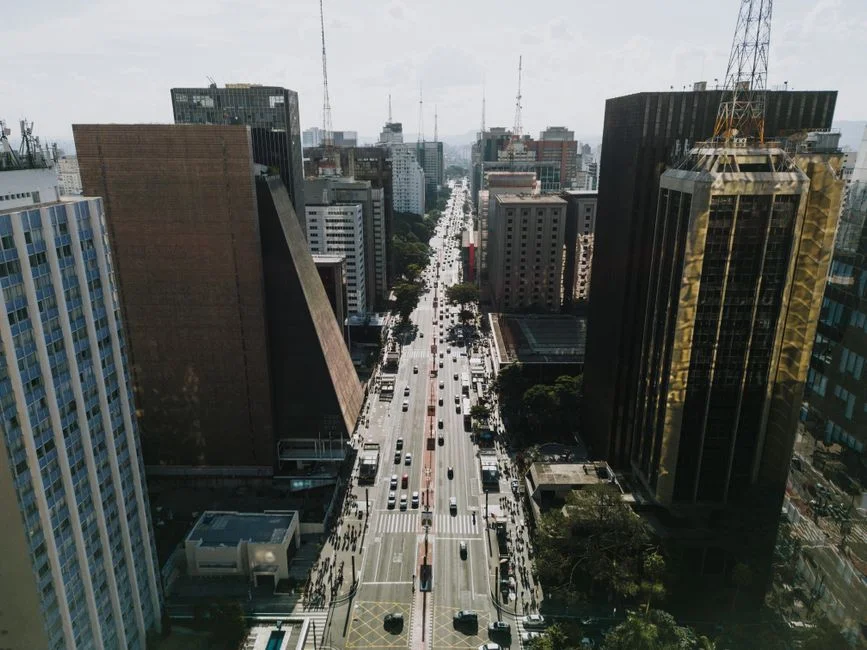
Security measures have been significantly ramped up across Kashmir ahead of Friday prayers, as local authorities brace for potential unrest. The heightened alert comes in response to calls from the Supreme Leader of Iran, Ali Khamenei, who urged supporters to stand in solidarity with the people of Kashmir. The situation reflects ongoing tensions in the region, raising concerns about peace and stability.

Increased Patrols and Checkpoints Across Kashmir Valley

In preparation for the prayers, local police and military forces have set up numerous checkpoints throughout the Kashmir Valley. Residents have reported an increased presence of security personnel, including armed forces stationed at various locations to monitor crowds and prevent any disruptions. Authorities are particularly wary of the potential for protests, which have historically intensified during religious observances.

Kashmir Authorities Tighten Security Before Friday Prayers: What This Means for Stability — Economy Business
Economy & Business · Kashmir Authorities Tighten Security Before Friday Prayers: What This Means for Stability

Why Kashmir Matters in a Broader Context

The situation in Kashmir is not just a regional issue; it has wider implications, particularly in the context of international relations and African development goals. The Kashmir conflict exemplifies the challenges of governance and stability that many nations face in the developing world. As African nations strive towards sustainable development, the governance issues reflected in Kashmir serve as a cautionary tale about the importance of political stability and civil rights.

The Influence of External Actors: Khamenei’s Call to Action

Ali Khamenei's comments have sparked concern in Kashmir, with many locals fearing a surge in unrest due to external influences. This dynamic underscores the delicate balance that authorities must maintain when addressing domestic concerns while managing international pressures. As African nations navigate their own challenges, understanding the influence of external actors becomes critical. The Kashmiri situation highlights how global politics can affect local stability, something that South Africa is all too familiar with.

Economic Impact and Regional Stability

Security tensions in Kashmir have economic ramifications that could resonate beyond South Asia. The Kashmir Valley, known for its rich natural resources and tourism potential, faces significant economic setbacks due to ongoing conflict. If this situation escalates, it could deter investment and development, leading to a cycle of poverty and instability. For South Africa, a country that prioritises economic growth and development, these lessons are invaluable. The need for robust governance frameworks to foster stability and economic prosperity is underscored by the ongoing challenges in Kashmir.

What’s Next for Kashmir and Its Impact on South Africa

As authorities monitor the situation in Kashmir, South African observers are keenly aware of the implications of the unfolding events. The outcome of this heightened security measures will likely affect not just local dynamics but also influence international perceptions of governance and stability in conflict-prone regions. The Kashmiri experience serves as a vital case study for South Africa, which must continuously assess its own governance structures and their impact on development goals.

See Also

Editorial Opinion

The Kashmiri situation highlights how global politics can affect local stability, something that South Africa is all too familiar with.Economic Impact and Regional StabilitySecurity tensions in Kashmir have economic ramifications that could resonate beyond South Asia. As African nations navigate their own challenges, understanding the influence of external actors becomes critical.

— southafricanews24.com Editorial Team
Poll
Do you believe the authorities will respond adequately?
Yes43%
No57%
638 votes
Sipho Dlamini
Author
Sipho Dlamini is a business and economics journalist based in Johannesburg, covering South Africa's financial markets, corporate sector, and infrastructure challenges. With more than a decade of experience reporting on the JSE, load shedding crises, and the country's evolving labour market, he brings rigorous analysis to complex economic stories.

Sipho has contributed to national business publications and regional financial media, focusing on how macroeconomic policy, energy security, and state-owned enterprise reform affect businesses and households across South Africa. He holds a degree in economics from the University of the Witwatersrand.