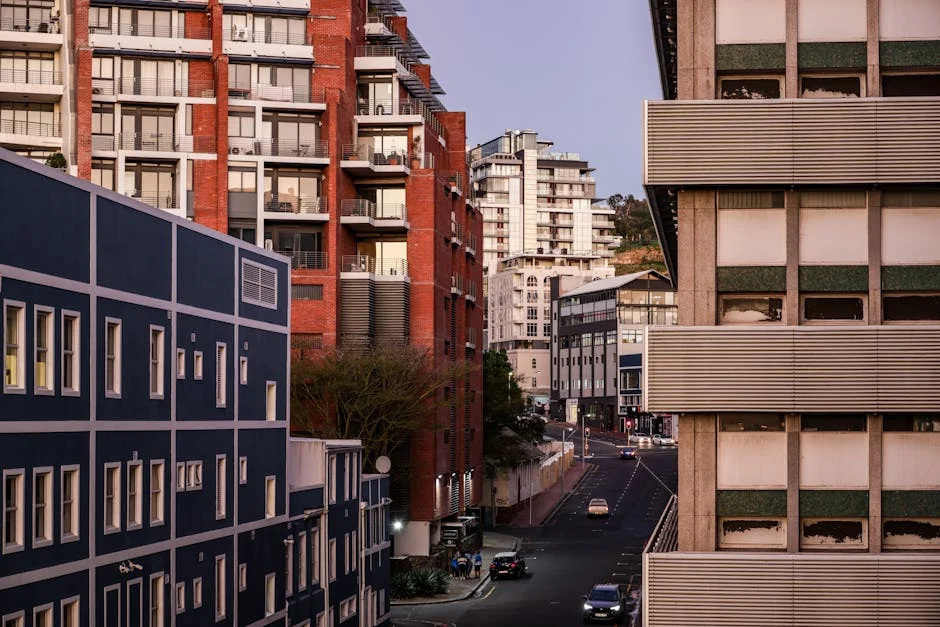
In a bold move, City Cape Town has firmly rejected proposals to auction the responsibility for developing an integrated urban space, particularly around the Good Hope Centre. This decision, announced on 15 October 2023, is poised to reshape the city's development landscape and address pressing infrastructure needs.
City Cape Town's Commitment to Integrated Development
The city council emphasised its commitment to fostering a cohesive urban environment that prioritises community needs over commercial interests. Mayor Geordin Hill-Lewis stated, "We cannot simply hand over our responsibilities to the highest bidder. The development of Cape Town’s urban spaces is not just about profit; it’s about creating a livable city for all residents." This sentiment echoes a broader pan-African vision for inclusive urban planning.

Understanding the Good Hope Centre's Role
The Good Hope Centre, a prominent venue in Cape Town, has long been a focal point for various community events and gatherings. However, its potential as a catalyst for urban development has led to discussions about its redevelopment. Critics argue that privatising such a key asset could disconnect it from local needs. As the city’s decision unfolds, stakeholders are weighing the implications for public space versus private profit.
Continental Challenges: Infrastructure and Governance

This decision by Cape Town taps into the larger narrative of African development goals, particularly in addressing infrastructure deficits and governance issues. Many African cities struggle with the balance of public needs and private investment. Cape Town's move may serve as a case study for other cities facing similar dilemmas. The emphasis on integrated development aligns with the African Union's Agenda 2063, which advocates for sustainable urbanisation across the continent.
Implications for Economic Growth and Health
By retaining control over urban development, Cape Town aims to ensure that economic growth translates into tangible benefits for its residents. Infrastructure investments can improve health outcomes through better access to services and facilities. The city's approach could inspire confidence among investors who might view Cape Town as a model for responsible urban planning.
What’s Next for Cape Town’s Urban Development?
As Cape Town navigates its development strategy, the focus will remain on community engagement and sustainable practices. Analysts are keenly observing how this decision will influence urban policies in South Africa. Cape Town news today reflects a growing awareness of the need for governance that emphasises public welfare over private gain. The outcome may significantly affect how other cities across the continent approach development challenges.
See Also
- Braves Beat Phillies as VE Impact Looms Over South Africa
- Novo Banco Unveils Urban Project in Amoreiras: 683 New Homes Planned