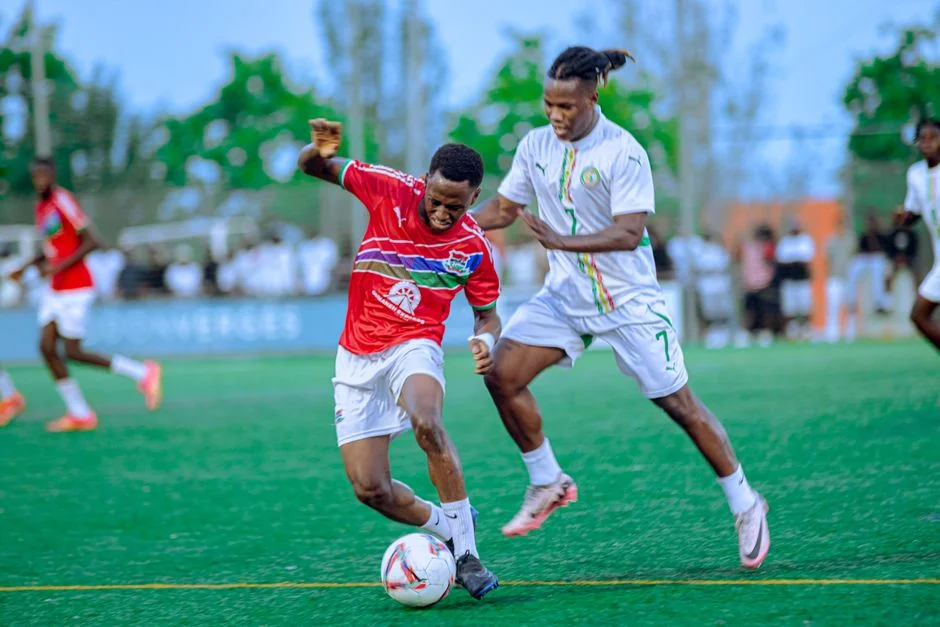
Walking through Kibera's narrow alleys, visitors encounter an unexpected spectacle: stacks of pre-loved football jerseys bearing the colours of Argentina, Brazil, and Germany, all waiting for new owners. The World Cup has arrived, and with it, a familiar wave of commerce has swept through Nairobi's largest informal settlement.
A Familiar Boom Cycle
Every four years, Kibera's informal traders follow the same pattern. When global football's premier tournament kicks off, demand for replica jerseys spikes across the settlement. For vendors who specialize in second-hand clothing, the tournament represents one of the most lucrative windows in their trading calendar.
Residents here have learned to read the tournament schedule like financial data. The knockout stages typically generate the strongest sales as fans decide which colours to back. This year, traders report that early group matches have already produced noticeable increases in foot traffic at market stalls.
Italian Imports Meet Local Demand
The second-hand jersey trade in Kibera operates as a distinctly international affair. Antonio Massari, a trade analyst who monitors informal markets across East Africa, noted that European team jerseys consistently rank among the most sought-after items during major tournaments.
Italian league merchandise holds particular appeal among buyers who associate it with perceived quality. The supply chain runs through established networks that move used clothing from European donors to sorting facilities before reaching markets like those in Kibera. Traders purchase bales of sorted garments, then handpick jerseys they anticipate will move during peak demand periods.
The Economics of Pre-Owned Football Fashion
A quality second-hand jersey in Kibera typically sells for a fraction of its original retail price, making replica football shirts accessible to fans who cannot afford official merchandise. For many households in the settlement, this creates a practical path to tournament participation. The markup from purchase price to selling price during high-demand periods can exceed 100 percent for vendors who stock the right inventory.
Market observers estimate that several hundred traders across Kibera's commercial zones carry football-related merchandise during World Cup periods. The concentration of sellers in particular market areas creates natural competition, which tends to moderate prices while driving service quality as vendors work to attract customers.
Informal Economy Meets Global Events


Kibera's jersey trade illustrates how global sporting events penetrate even the most challenging economic environments. The settlement of roughly 250,000 residents has long served as an incubator for informal commercial activity, where entrepreneurs operate without formal business registration or access to mainstream financial services.
For these traders, the World Cup represents an predictable revenue opportunity. Unlike volatile periods when political uncertainty or economic shocks disrupt commerce, tournament cycles provide a reliable framework around which vendors can plan purchasing and staffing decisions. Stocking decisions made months in advance can determine whether a trader captures the surge in demand or misses the window entirely.
Credit arrangements between wholesalers and retailers often tighten during high-demand periods, with suppliers extending payment terms to vendors with established track records. This informal credit system allows traders to increase their inventory without requiring large upfront capital, though it also concentrates risk among those whose predictions prove incorrect.
What Vendors Watch Next
The tournament's trajectory will shape the jersey market's remaining weeks. If Kenya's economic mood improves during the competition, traders expect discretionary spending to remain elevated. Should early results disappoint fans, spending on replica merchandise often softens as attention shifts away from the tournament.
Digital connectivity in Kibera has transformed how vendors track demand patterns. Many now monitor match results and team performances through mobile phones, adjusting their marketing messages and inventory displays in near-real-time. A team advancing to later stages can spark renewed interest in its merchandise days after initial elimination.
Wholesale suppliers in Nairobi's industrial areas report that demand for sorted bales containing football merchandise has increased compared to non-tournament periods. Prices at the sorting facility level have risen modestly, a signal that downstream demand is pulling inventory through the supply chain.
Broader Implications for Kenya's Informal Sector
The World Cup jersey trade exemplifies dynamics visible across Kenya's informal economy during major events. Restaurants add television screens. Mobile money agents prepare for transaction surges. Street vendors adjust product lines to match emerging trends. The tournament functions as a stress test for informal commercial networks, revealing their capacity to respond rapidly to concentrated consumer interest.
For economists studying informal employment, Kibera's tournament-season trading patterns offer a window into how millions of Kenyans without formal contracts or social protections navigate predictable economic opportunities. The same vendors who sell jerseys during the World Cup shift to school supplies before the academic year and seasonal goods ahead of religious holidays.
Microfinance institutions operating near informal settlements note that tournament periods sometimes produce increased loan applications from traders seeking to expand inventory. Default rates during these periods typically remain manageable, suggesting that experienced vendors understand the importance of maintaining relationships with formal lenders even when their primary business operates outside regulatory frameworks.
Looking Ahead
The coming weeks will determine whether 2026 delivers the trading season vendors are hoping for. With matches scheduled across multiple time zones, peak viewing hours in Kenya create extended windows for sales activity. Night games particularly draw crowds to establishments with screens, driving ancillary purchases of merchandise in the hours before kickoff.
Traders who stocked Argentine and Brazilian colours early report strong initial sales. The surprise eliminations of major European teams could reshape the market's second half as buyers redistribute their allegiances. Vendors with flexible inventory and accurate forecasting stand to capture margins that less prepared competitors leave behind.
See Also
- Festival Magos da Guitarra Returns to Montes: What It Means for South African Culture
- India Celebrates Holi: Colourful Festivities Unite the Nation – here's what it means
Default rates during these periods typically remain manageable, suggesting that experienced vendors understand the importance of maintaining relationships with formal lenders even when their primary business operates outside regulatory frameworks.Looking AheadThe coming weeks will determine whether 2026 delivers the trading season vendors are hoping for. Prices at the sorting facility level have risen modestly, a signal that downstream demand is pulling inventory through the supply chain.Broader Implications for Kenya's Informal SectorThe World Cup jersey trade exemplifies dynamics visible across Kenya's informal economy during major events.