Two major farms in Senegal that supply a significant portion of the UK's vegetables have come under scrutiny for their sustainability practices and economic impact. The ongoing debate highlights the critical role Senegal plays in the agricultural landscape of West Africa, particularly in relation to global food supply chains.

Senegal's Agricultural Backbone: An Overview

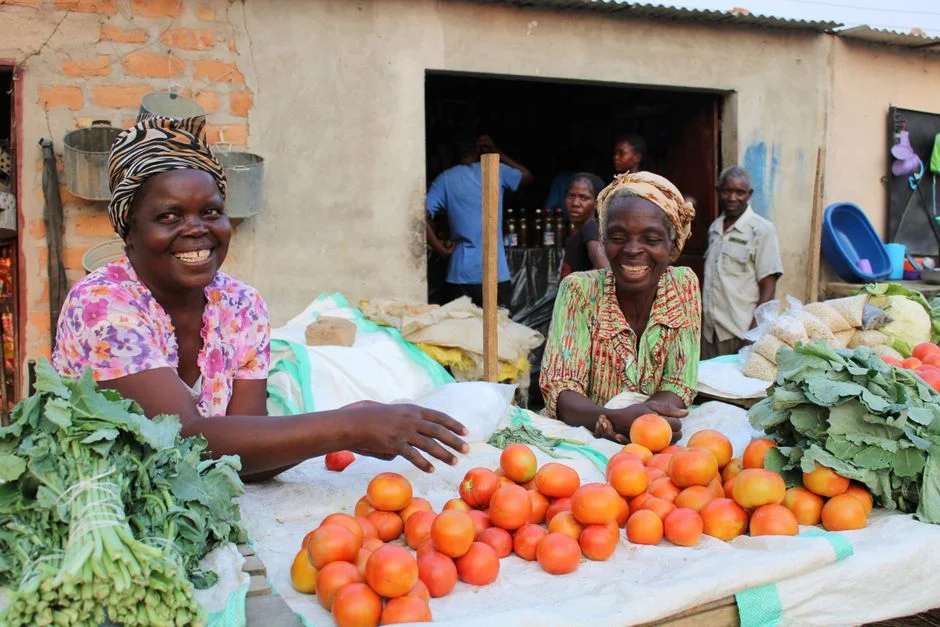
Senegal, located on the western tip of Africa, has established itself as a vital player in the agricultural sector, particularly in vegetable production. The two farms, which cultivate a range of vegetables including tomatoes, onions, and peppers, export a large percentage of their produce to the UK. This trade not only supports the Senegalese economy but also contributes to food security in Britain.

Senegal's Vegetable Farms Fuel UK Market: What This Means for Africa's Growth — Economy Business
Economy & Business · Senegal's Vegetable Farms Fuel UK Market: What This Means for Africa's Growth

Impact on West African Development Goals

The reliance on Senegal for vegetable supply raises important questions regarding the alignment of agricultural practices with the United Nations’ Sustainable Development Goals (SDGs). For instance, Goal 2 aims to end hunger and promote sustainable agriculture. The practices of these farms could either support or hinder this goal depending on how they manage resources and ensure fair labour conditions.

Environmental Considerations and Future Challenges

Concerns have been raised about the environmental impact of large-scale farming in Senegal, including water usage and pesticide application. These challenges are emblematic of the broader issues facing West Africa, where climate change and resource scarcity threaten agricultural sustainability. The question remains: how can Senegal balance its exports with the need for sustainable farming practices?

Opportunities for Economic Growth in South Africa

As South Africa continues to grapple with its own agricultural challenges, the situation in Senegal could provide a valuable case study. Understanding Senegal's methods and the challenges it faces could offer insights into improving South Africa's agricultural policies and practices. This relationship could foster trade opportunities between the two nations, enhancing food security across the region.

Future Watch: What Lies Ahead

The ongoing developments in Senegal's agricultural sector will have ripple effects throughout West Africa and beyond. Stakeholders in South Africa and other neighbouring countries should monitor these changes closely, as they could inform agricultural strategies and influence economic growth across the continent.

See Also

Editorial Opinion

These challenges are emblematic of the broader issues facing West Africa, where climate change and resource scarcity threaten agricultural sustainability. The question remains: how can Senegal balance its exports with the need for sustainable farming practices?Opportunities for Economic Growth in South AfricaAs South Africa continues to grapple with its own agricultural challenges, the situation in Senegal could provide a valuable case study.

— southafricanews24.com Editorial Team
Sipho Dlamini
Author
Sipho Dlamini is a business and economics journalist based in Johannesburg, covering South Africa's financial markets, corporate sector, and infrastructure challenges. With more than a decade of experience reporting on the JSE, load shedding crises, and the country's evolving labour market, he brings rigorous analysis to complex economic stories.

Sipho has contributed to national business publications and regional financial media, focusing on how macroeconomic policy, energy security, and state-owned enterprise reform affect businesses and households across South Africa. He holds a degree in economics from the University of the Witwatersrand.