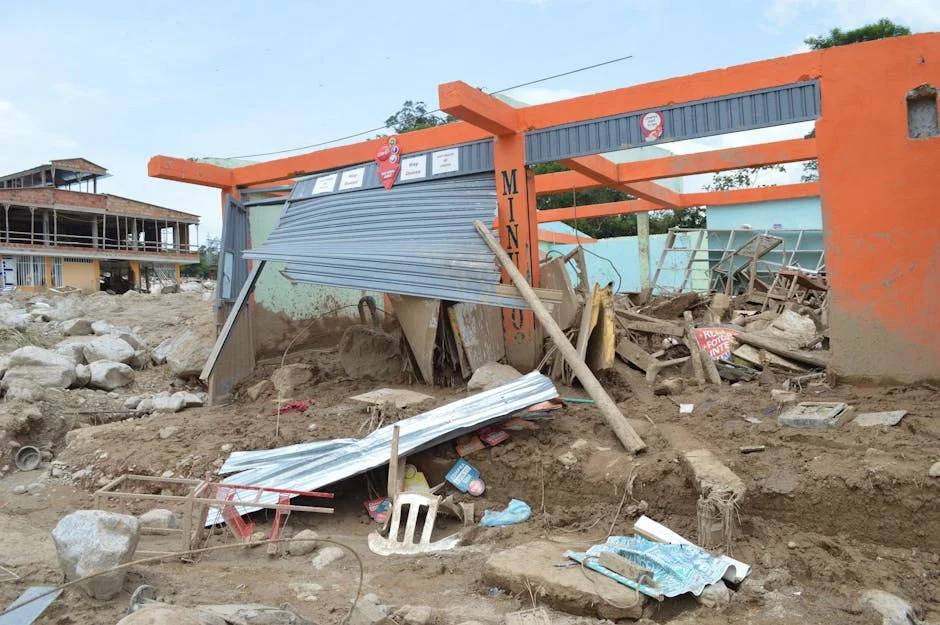
In a startling revelation, the Supreme Court of India has confirmed that over 2,800 cases of child trafficking are currently pending trial across various courts. This alarming statistic highlights not only the severity of the issue in India but also raises critical questions about governance and child protection measures that resonate across borders, including South Africa.
Child Trafficking Crisis in India
The issue of child trafficking in India has reached alarming levels, with thousands of cases left unresolved. The Supreme Court's recent disclosure underscores the inadequacies in the judicial system to address such a heinous crime effectively. These cases involve the exploitation of vulnerable children, often for forced labour, sexual exploitation, or illegal adoptions.
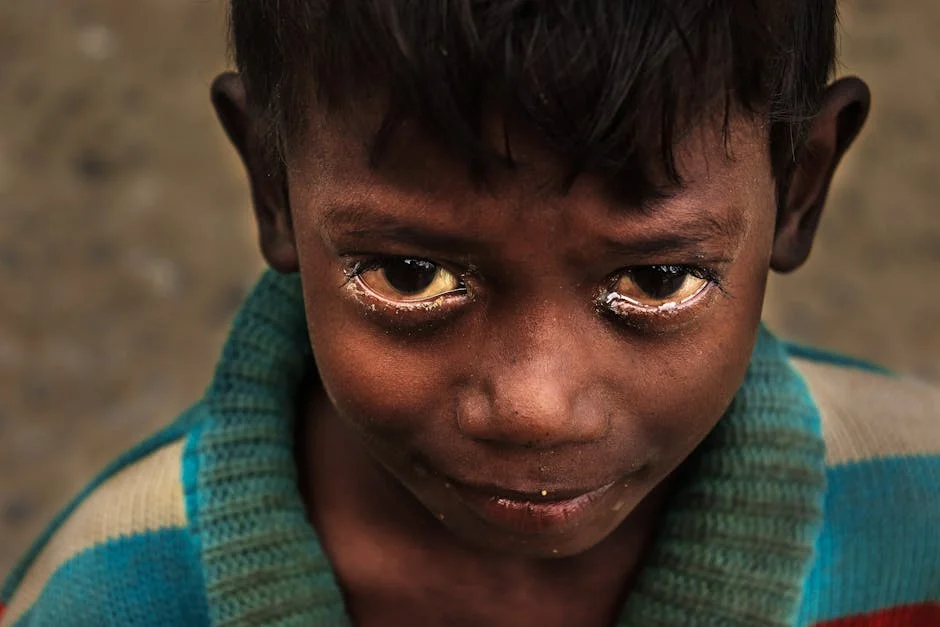
Why This Matters for South Africa
The implications of this crisis stretch beyond India’s borders. South Africa, like many African nations, grapples with its own challenges related to child welfare and trafficking. The latest news from India serves as a wake-up call, prompting a reassessment of strategies and policies aimed at combating child trafficking on the continent. With Africa's development goals focusing on the protection of children's rights and ensuring access to education and health, India's struggle highlights the urgent need for collaborative solutions.
Governance Challenges Exposed


The backlog of trafficking cases in India reveals systemic governance issues that hinder justice. A lack of resources, inadequate training for law enforcement, and slow legal processes contribute to this crisis. Similar challenges can be observed in South Africa, where governance gaps often allow such crimes to flourish. Improving infrastructure, from legal frameworks to law enforcement training, could mitigate these issues and protect vulnerable populations.
Opportunities for Pan-African Collaboration
This situation presents an opportunity for African nations to learn from India's struggles and successes. By sharing best practices and fostering partnerships aimed at strengthening judicial systems and child protection measures, African countries can work towards achieving development goals that prioritise the welfare of children. Initiatives like the African Union’s Agenda 2063 aim to create a continent where children are safe, healthy, and educated, but achieving this requires concerted efforts and shared knowledge.
What’s Next?
As India grapples with this pressing issue, South African policymakers and civil society must take note. The ongoing crisis serves as a reminder that child trafficking is a transnational problem that cannot be solved in isolation. Efforts to strengthen governance, enhance infrastructure, and improve health and education systems are critical in the fight against trafficking. Stakeholders in South Africa should monitor developments in India closely, as any advancements in addressing these issues could provide valuable lessons for similar challenges faced on the continent.
See Also
- PSI Slams Losses as EDP and Jerónimo Martins Intensify Pressure
- Senegal's Vegetable Farms Fuel UK Market: What This Means for Africa's Growth
Efforts to strengthen governance, enhance infrastructure, and improve health and education systems are critical in the fight against trafficking. Similar challenges can be observed in South Africa, where governance gaps often allow such crimes to flourish.