In a surprising move, President Vladimir Putin has convened war veterans to bolster Russia's police forces amid rising security concerns. This announcement comes as the Kremlin faces increasing scrutiny regarding its domestic and international strategies, particularly as tensions escalate in Eastern Europe.

Putin's Strategy: A Call to Arms

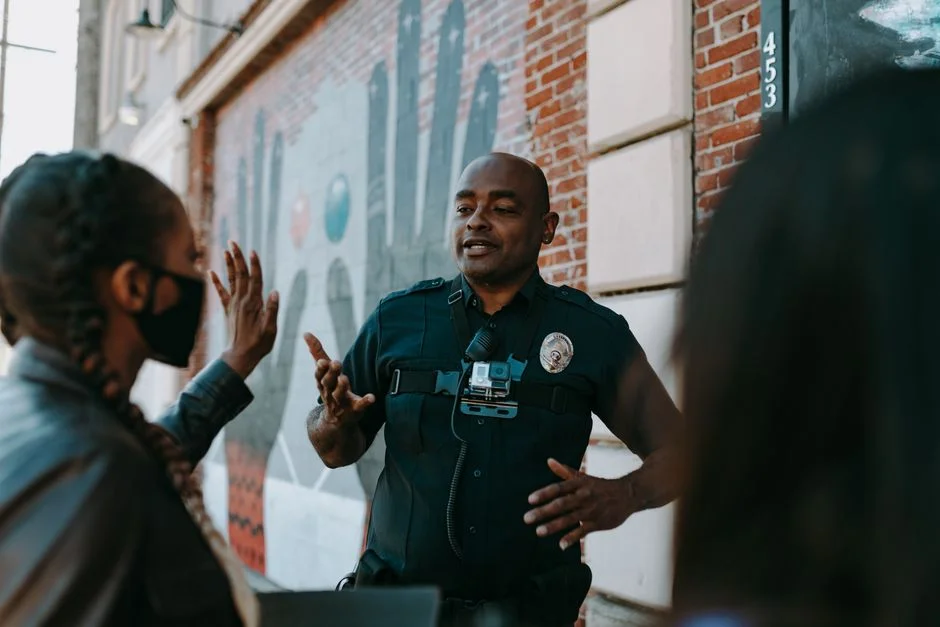
On October 15, 2023, President Putin addressed a gathering of war veterans, urging them to contribute to national security efforts by joining the police. This initiative appears to be a direct response to public unrest and the government's desire to fortify law enforcement capabilities. Putin's appeal to veterans not only highlights the importance of military experience in maintaining order but also suggests a shift towards more militarised policing methods.

Putin Summons War Veterans to Police Forces: What This Means for Africa — Economy Business
Economy & Business · Putin Summons War Veterans to Police Forces: What This Means for Africa

The Continental Ramifications: An African Perspective

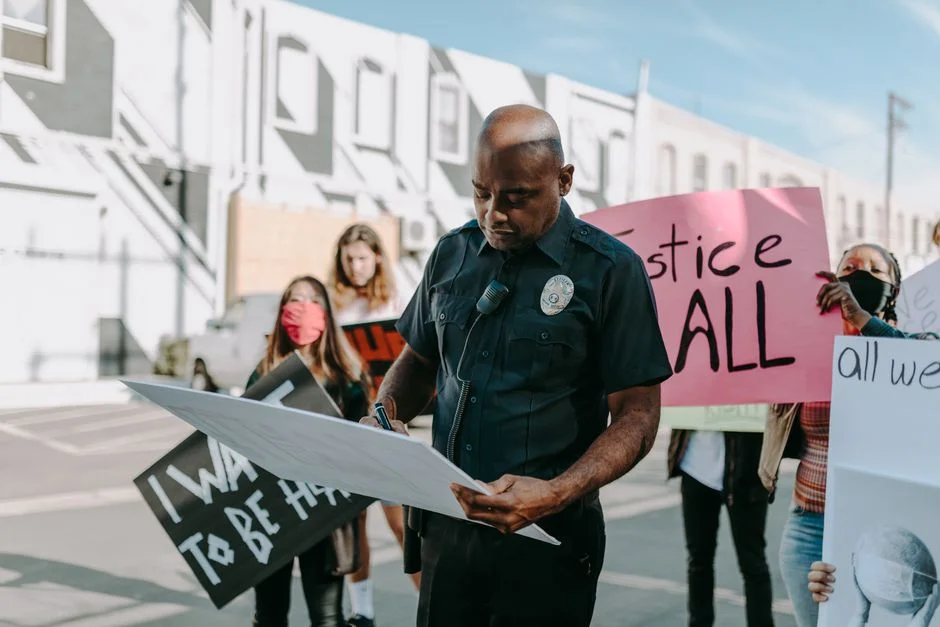
This development in Russia may hold significant implications for African nations grappling with security challenges. Many countries on the continent have faced similar issues, where the militarisation of police forces has raised concerns about governance and human rights. The African Union's Agenda 2063 promotes peace and security as fundamental pillars for the continent's development, yet instances of excessive force by police have marred progress in several nations.

Comparative Analysis: Lessons from Russia

As South Africa and other nations in Africa continue to work towards stability and economic growth, the move by Putin to engage war veterans can serve as a cautionary tale. In South Africa, the legacy of apartheid has left a complex relationship with law enforcement, where calls for reform are often met with resistance. The utilisation of military veterans in policing roles can exacerbate tensions between communities and law enforcement, undermining efforts to build trust and improve governance.

Potential Opportunities for Collaboration

However, this situation also presents opportunities for African nations to engage with Russia on security cooperation. As African states aim to bolster their security frameworks, understanding Russia's approach could inform their strategies. Increased collaboration could lead to sharing of best practices in managing security threats while balancing civil liberties and governance.

What’s Next for Africa and Russia?

The implications of Putin's call for veterans extend beyond Russia's borders. As African leaders observe these developments, it will be crucial to assess how similar strategies can be adapted without compromising human rights. Future dialogues between African nations and Russia may focus on finding a balanced approach to security that aligns with the continent's development goals, particularly in health, education, and economic growth.

See Also

Editorial Opinion

In South Africa, the legacy of apartheid has left a complex relationship with law enforcement, where calls for reform are often met with resistance. The utilisation of military veterans in policing roles can exacerbate tensions between communities and law enforcement, undermining efforts to build trust and improve governance.Potential Opportunities for CollaborationHowever, this situation also presents opportunities for African nations to engage with Russia on security cooperation.

— southafricanews24.com Editorial Team
Sipho Dlamini
Author
Sipho Dlamini is a business and economics journalist based in Johannesburg, covering South Africa's financial markets, corporate sector, and infrastructure challenges. With more than a decade of experience reporting on the JSE, load shedding crises, and the country's evolving labour market, he brings rigorous analysis to complex economic stories.

Sipho has contributed to national business publications and regional financial media, focusing on how macroeconomic policy, energy security, and state-owned enterprise reform affect businesses and households across South Africa. He holds a degree in economics from the University of the Witwatersrand.