Khalil Halilu, an influential figure in Africa's industrial discourse, has underscored the urgent need for the continent's transformation to be rooted in production, innovation, and robust industrial capability. Speaking at a recent summit, Halilu outlined how these elements are crucial for sustainable development across Africa.

Why Industrial Capability Is Vital for Africa's Future

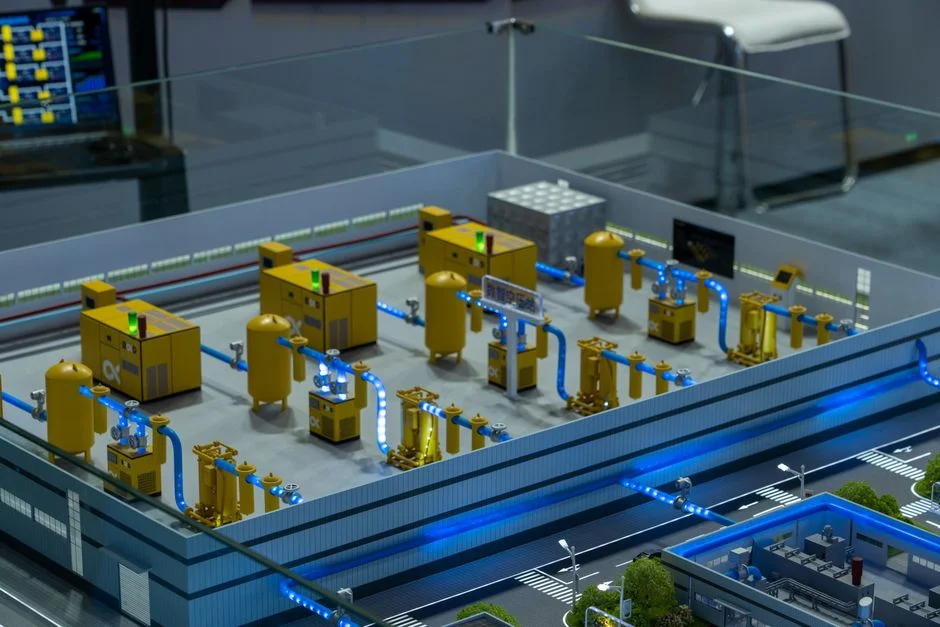
During the summit, Halilu highlighted that Africa's development goals cannot be achieved without a significant enhancement in industrial capability. He stated, "To realise the African Union's Agenda 2063, we must prioritise the development of our industries and engineering infrastructure." According to him, the continent has abundant resources but lacks the necessary industrial frameworks to process these resources effectively.

Khalil Halilu Demands Africa's Transformation Through Production and Innovation: Key Insights — Economy Business
Economy & Business · Khalil Halilu Demands Africa's Transformation Through Production and Innovation: Key Insights

The Role of Engineering Infrastructure in Development

Halilu explained that engineering infrastructure is at the heart of any industrialised economy. He elaborated on the current state of Africa’s engineering capabilities, noting that many countries face challenges such as insufficient investment and outdated technology. He urged the National Agency responsible for industrial development to take proactive measures to modernise existing infrastructure.

Challenges Hurdling Africa's Industrial Growth

The challenges facing African countries in achieving industrial capability are manifold. According to Halilu, issues such as political instability, economic disparities, and limited access to technology hinder progress. He warned that without overcoming these hurdles, Africa risks falling further behind in the global economy.

Opportunities for Growth Through Collaboration

Despite these challenges, Halilu remained optimistic about the continent's potential. He pointed to existing partnerships among African nations as a beacon of hope. Collaborative efforts in sectors such as technology, agriculture, and manufacturing could pave the way for the continent to achieve its industrial goals. He called for increased investment in educational programs to foster innovation and technical skills among the youth.

Looking Ahead: What to Watch For

As Africa gears up for a new phase of economic growth, stakeholders should keep an eye on policy changes that prioritise industrial capability. The upcoming African Union summit will be crucial for discussing strategies to enhance engineering infrastructure and production capabilities. Halilu's insights serve as a reminder of the critical path ahead for Africa's development and the need for collective effort to realise the continent’s potential.

See Also

FAQ
What is the latest news about khalil halilu demands africas transformation through production and innovation key insights?
Khalil Halilu, an influential figure in Africa's industrial discourse, has underscored the urgent need for the continent's transformation to be rooted in production, innovation, and robust industrial capability.
Why does this matter for economy-business?
He stated, "To realise the African Union's Agenda 2063, we must prioritise the development of our industries and engineering infrastructure." According to him, the continent has abundant resources but lacks the necessary industrial frameworks to proc
What are the key facts about khalil halilu demands africas transformation through production and innovation key insights?
He urged the National Agency responsible for industrial development to take proactive measures to modernise existing infrastructure.Challenges Hurdling Africa's Industrial GrowthThe challenges facing African countries in achieving industrial capabili
Sipho Dlamini
Author
Sipho Dlamini is a business and economics journalist based in Johannesburg, covering South Africa's financial markets, corporate sector, and infrastructure challenges. With more than a decade of experience reporting on the JSE, load shedding crises, and the country's evolving labour market, he brings rigorous analysis to complex economic stories.

Sipho has contributed to national business publications and regional financial media, focusing on how macroeconomic policy, energy security, and state-owned enterprise reform affect businesses and households across South Africa. He holds a degree in economics from the University of the Witwatersrand.