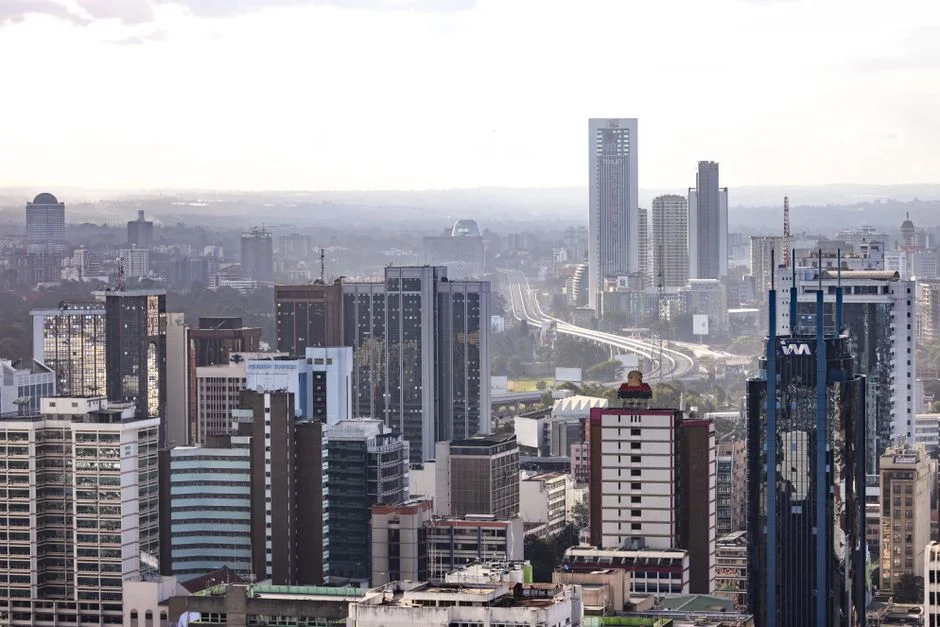
As World Obesity Day was observed on March 4, 2023, experts from the World Obesity Federation revealed alarming hidden habits contributing to South Africa’s escalating obesity crisis. This revelation underscores the urgent need for comprehensive strategies to tackle the weight epidemic amidst the country’s broader development challenges.

South Africa's Obesity Rate on the Rise

According to the World Obesity Federation, South Africa faces one of the highest obesity rates in Africa, with recent statistics indicating that nearly 28% of adults are classified as obese. This trend has been attributed to several factors, including urbanisation, changes in dietary habits, and a growing reliance on processed foods. On World Obesity Day, the federation highlighted how these hidden habits not only affect individual health but also place a significant burden on the country's healthcare system.

World Obesity Federation Exposes Hidden Habits Fueling South Africa's Weight Crisis: What You Need to Know — Economy Business
Economy & Business · World Obesity Federation Exposes Hidden Habits Fueling South Africa's Weight Crisis: What You Need to Know

Linking Obesity to Economic Development Goals

The issues raised by the World Obesity Federation are particularly relevant in the context of the African development goals outlined in the Agenda 2063. As obesity leads to chronic health conditions like diabetes and hypertension, it hampers economic productivity and strains healthcare resources. Experts argue that addressing the obesity epidemic is essential for achieving sustainable economic growth and improving public health outcomes across the continent.

Hidden Factors Behind the Weight Crisis

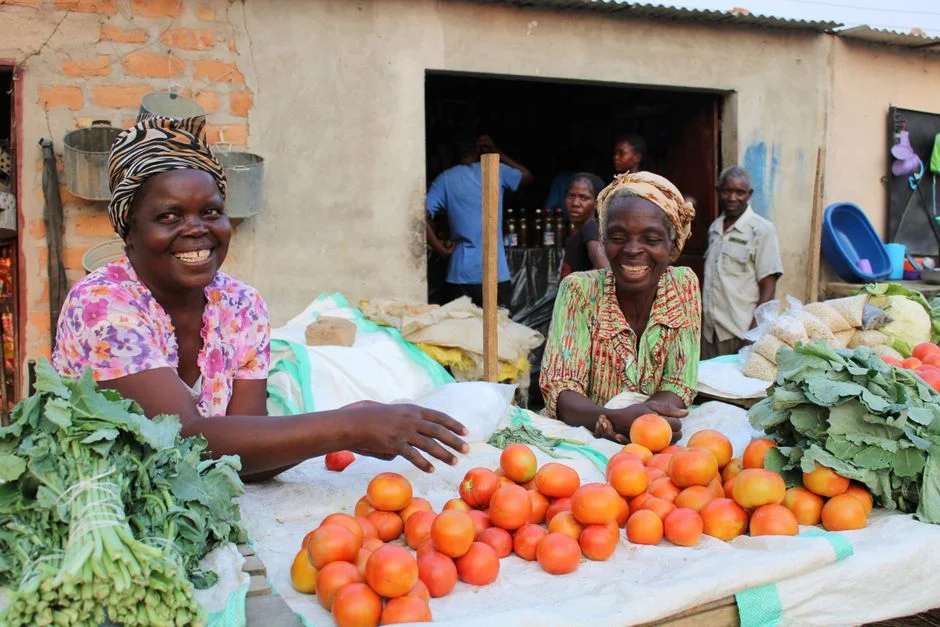
Experts identified several hidden drivers of obesity in South Africa, including the marketing of unhealthy foods, sedentary lifestyles, and the lack of accessible healthy food options. The World Obesity Federation noted that many South Africans are unaware of the nutritional content of the foods they consume, exacerbating the crisis. This ignorance, combined with socio-economic factors such as poverty and food scarcity, has created a perfect storm for rising obesity rates.

Government and Community Responses

In response to these findings, local health authorities are beginning to implement community-based initiatives aimed at promoting healthier lifestyles. Programs focused on nutrition education, physical activity, and access to fresh produce are being rolled out in various urban and rural areas. However, experts warn that these efforts must be scaled up significantly to make a meaningful impact on the nation's health.

What’s Next for South Africa?

As the country grapples with the implications of these findings, stakeholders including government agencies, NGOs, and the private sector will need to collaborate more effectively. The World Obesity Federation's revelations serve as a clarion call to prioritise health in policy discussions, highlighting the interconnectedness of health, economic growth, and overall development in South Africa. The next steps will be crucial as South Africa seeks to mitigate the impact of obesity on its population and work towards its broader development goals.

See Also

Editorial Opinion

However, experts warn that these efforts must be scaled up significantly to make a meaningful impact on the nation's health.What’s Next for South Africa?As the country grapples with the implications of these findings, stakeholders including government agencies, NGOs, and the private sector will need to collaborate more effectively. The World Obesity Federation's revelations serve as a clarion call to prioritise health in policy discussions, highlighting the interconnectedness of health, economic growth, and overall development in South Africa.

— southafricanews24.com Editorial Team
Sipho Dlamini
Author
Sipho Dlamini is a business and economics journalist based in Johannesburg, covering South Africa's financial markets, corporate sector, and infrastructure challenges. With more than a decade of experience reporting on the JSE, load shedding crises, and the country's evolving labour market, he brings rigorous analysis to complex economic stories.

Sipho has contributed to national business publications and regional financial media, focusing on how macroeconomic policy, energy security, and state-owned enterprise reform affect businesses and households across South Africa. He holds a degree in economics from the University of the Witwatersrand.