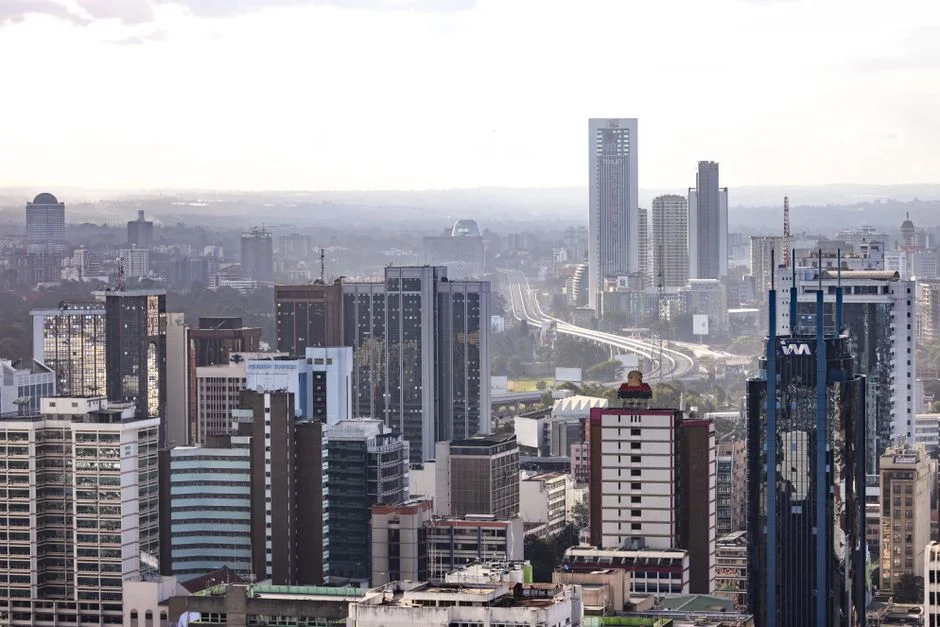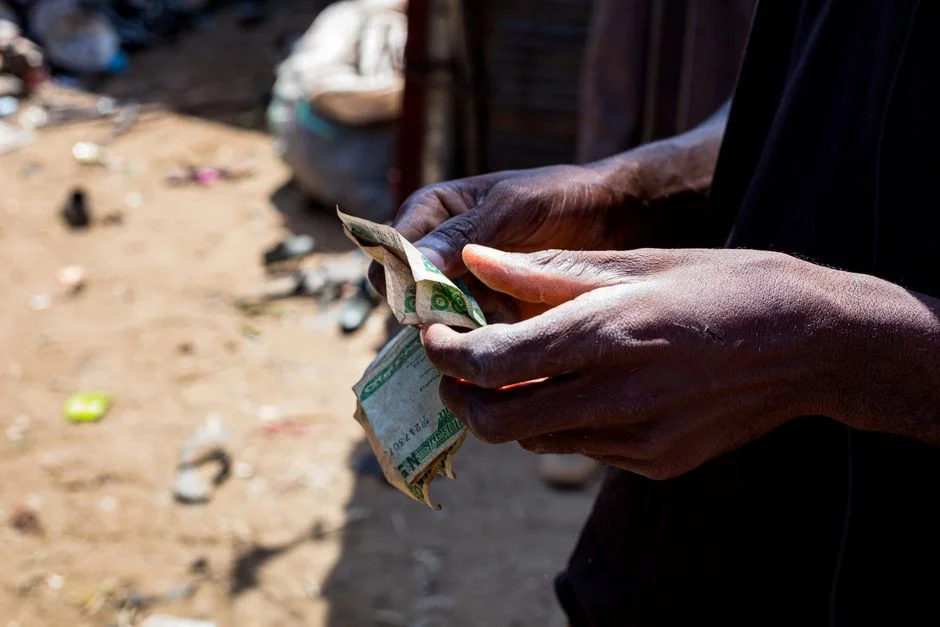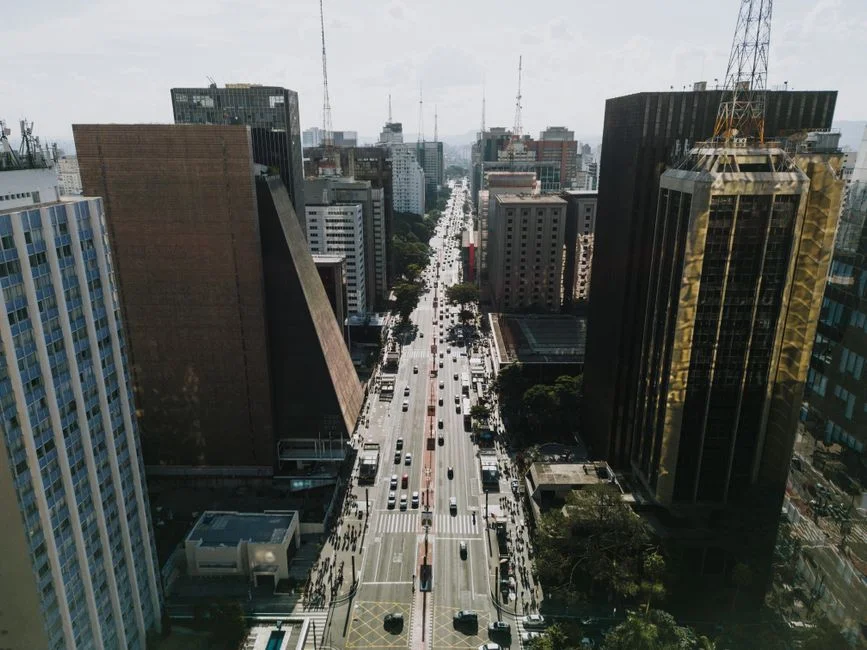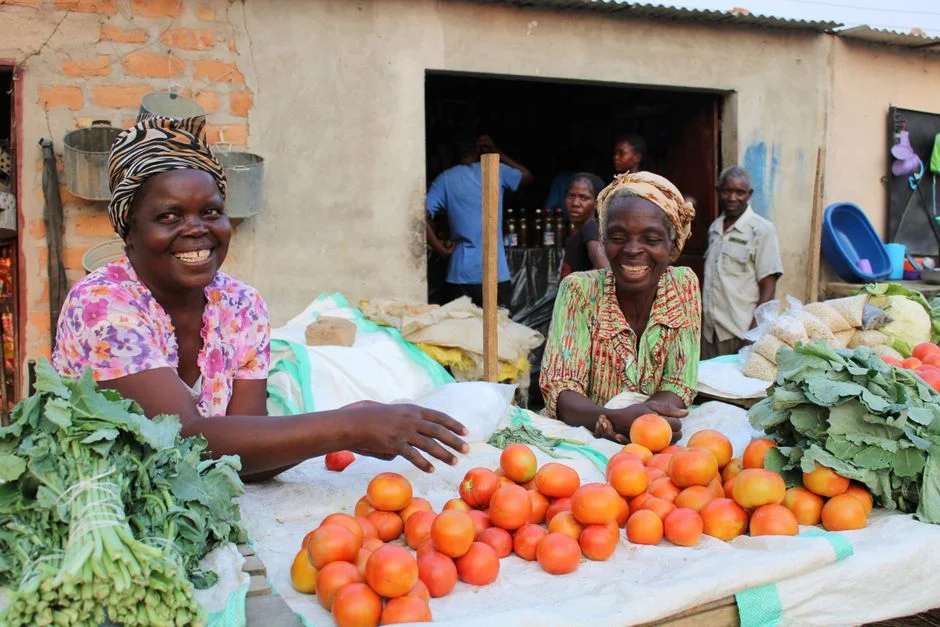
Economist Costa Silva has issued a stark warning about the global economy being on the brink of a new oil shock, with significant implications for South Africa and the broader African continent. During a recent economic forum in Lisbon, Silva highlighted the precarious nature of global oil prices, emphasising that the situation could severely impact economic growth in developing nations.

Silva's Warning on Global Oil Prices

Costa Silva, a noted economist, addressed an audience in Europe on Tuesday, stating that the world economy is 'hanging by a thread' due to fluctuating oil prices. He attributed this instability to geopolitical tensions and supply chain disruptions exacerbated by ongoing conflicts. Silva's remarks come amid rising concerns over inflation and energy costs, which threaten to derail recovery efforts in many nations, particularly in Africa.

Costa Silva Warns of Impending Oil Shock: What This Means for South Africa — Economy Business
Economy & Business · Costa Silva Warns of Impending Oil Shock: What This Means for South Africa

Impact of Oil Prices on South Africa's Economy

The potential for a new oil shock raises critical questions about South Africa's economic resilience. With rising fuel prices already straining households and businesses, Silva's warnings suggest that the situation could worsen if oil prices spike again. Analysts predict that increased energy costs could lead to higher inflation rates, impacting consumer spending and slowing down economic growth in the country.

Continental Challenges and Opportunities

For Africa, the consequences of fluctuating oil prices are multifaceted. While oil-producing nations may experience temporary windfalls, many countries, including South Africa, rely heavily on oil imports. As Silva pointed out, this creates a scenario where developing nations face significant challenges in achieving their development goals. To combat these challenges, African leaders are urged to explore alternative energy sources and enhance infrastructure to reduce dependency on fossil fuels.

The Path Forward: Embracing Renewable Energy

In light of Silva's predictions, there is an opportunity for South Africa and other African nations to accelerate their transition towards renewable energy. Investments in solar, wind, and hydroelectric power could not only alleviate the pressures of rising oil prices but also align with the continent's long-term development objectives. By harnessing renewable resources, countries can create jobs, boost economic growth, and ensure energy security, which are crucial for sustainable development.

What to Watch Next

As the global landscape evolves, South Africa must remain vigilant. Policymakers should monitor oil price trends closely and consider strategic measures to mitigate potential economic shocks. The government's commitment to fostering a diverse energy portfolio will be essential to safeguarding economic stability. Observers will also be watching for regional collaborations aimed at enhancing energy independence across the continent.

See Also

Editorial Opinion

As Silva pointed out, this creates a scenario where developing nations face significant challenges in achieving their development goals. Policymakers should monitor oil price trends closely and consider strategic measures to mitigate potential economic shocks.

— southafricanews24.com Editorial Team
FAQ
What is the latest news about costa silva warns of impending oil shock what this means for south africa?
Economist Costa Silva has issued a stark warning about the global economy being on the brink of a new oil shock, with significant implications for South Africa and the broader African continent.
Why does this matter for economy-business?
He attributed this instability to geopolitical tensions and supply chain disruptions exacerbated by ongoing conflicts.
What are the key facts about costa silva warns of impending oil shock what this means for south africa?
With rising fuel prices already straining households and businesses, Silva's warnings suggest that the situation could worsen if oil prices spike again.
Sipho Dlamini
Author
Sipho Dlamini is a business and economics journalist based in Johannesburg, covering South Africa's financial markets, corporate sector, and infrastructure challenges. With more than a decade of experience reporting on the JSE, load shedding crises, and the country's evolving labour market, he brings rigorous analysis to complex economic stories.

Sipho has contributed to national business publications and regional financial media, focusing on how macroeconomic policy, energy security, and state-owned enterprise reform affect businesses and households across South Africa. He holds a degree in economics from the University of the Witwatersrand.